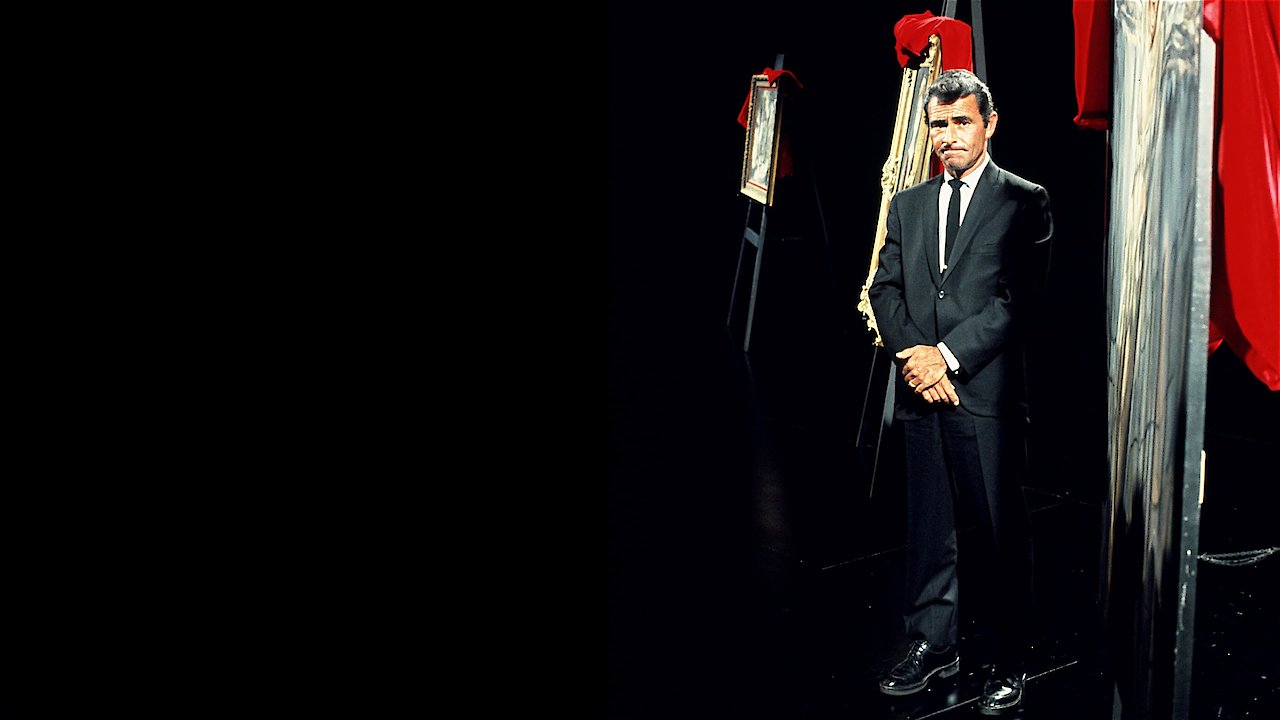
Rod Serling's Night Gallery Season 1 Episode 11 The Man Who Died At Three & Nine
- January 1, 1969
In the intriguing and atmospheric world of Rod Serling's Night Gallery, the series delves into the depths of human experience and the supernatural. Season 1, Episode 11, titled The Man Who Died At Three & Nine, offers viewers a mesmerizing tale that blurs the lines between reality and the unreal, inviting them to confront the complexities of fate, choice, and consequence.
The episode centers around the character of Mr. Albert R. Smith, a seemingly ordinary man stuck in a life that oscillates between the mundane and the unremarkable. At the outset, we meet Mr. Smith, played with a poignant mix of resignation and longing, as he navigates through his daily routine. His interactions with those around him reveal a man plagued by a sense of dissatisfaction and a profound yearning for something greater. This dissatisfaction is beautifully conveyed through Serling's masterful storytelling, coupled with the episode's rich visual style, which echoes the broader themes of the Night Gallery series.
As the narrative unfolds, viewers are introduced to the peculiar and unsettling circumstances surrounding Mr. Smith's life. His day-to-day existence feels almost like a loop, repeated with alarming regularity, but there is an underlying tension that suggests something darker lies beneath the surface. This tension serves to draw audiences deeper into the story, eliciting a sense of curiosity about Mr. Smith’s ultimate fate and the choices he will make.
The titular "Three & Nine" holds significant weight in the narrative, serving as more than just a time but as a symbol for the crossroads and pivotal moments in Mr. Smith’s life. As the clock ticks ominously toward that fateful hour, the episode carefully weaves themes of mortality, the inevitability of fate, and the concept of chance into its fabric. These themes are masterfully underscored by Serling's signature narrative style, combining social commentary with elements of the macabre, challenging viewers to reconsider their perceptions of life and death.
Throughout the episode, the atmosphere is enhanced by a haunting score and evocative cinematography, which together create a sense of foreboding. The stark contrasts between light and shadow, coupled with thought-provoking imagery, fuel the viewer's anticipation as Mr. Smith's story develops.
Complicating Mr. Smith’s narrative are the engaging supporting characters who populate his world. Each relationship in his life—whether it be with a friend, family member, or a chance acquaintance—serves to deepen our understanding of his character. The interactions are not merely incidental; they are laden with meaning and help illustrate Smith’s inner turmoil. This deep character exploration is a hallmark of Serling’s writing, providing a solid foundation for the episode's philosophical inquiries.
As Mr. Smith grapples with his discontent, he is confronted by choices that will lead him down an unexpected path. The tension builds to a critical peak as the distinctive themes of destiny and free will emerge. Through cinematic storytelling, viewers are invited to ponder age-old questions: Are our lives predestined, or do we forge our own destinies through the decisions we make? Night Gallery's signature blend of the eerie and the thought-provoking encourages viewers to contemplate the implications of choice and the possibility of alternate outcomes.
As the clock approaches the ominous time of Three & Nine, Mr. Smith’s quiet desperation reaches a crescendo. The appendices of his choices are laid bare, revealing startling truths that lie just beneath the surface of his reality. The complexity of his character comes to fruition, and the narrative deftly orchestrates an emotional arc that resonates with the audience long after the credits roll.
The Man Who Died At Three & Nine exemplifies the hallmark qualities of Rod Serling's Night Gallery series: a compelling narrative built around rich character development, subtle philosophical explorations, and a sense of the uncanny. It serves as both a thrilling suspense story and a poignant examination of the human condition, encouraging viewers to reflect on their own lives and the myriad choices that lead them down their respective paths.
With a gripping narrative and a thought-provoking premise, this episode stands out in Season 1 of Night Gallery, promising a haunting experience that lingers in the mind and prompts deeper reflection on the nature of fate, mortality, and the traits that define what it means to be human. Audiences will find themselves captivated by the enigmatic journey of Mr. Albert R. Smith, pondering at what cost do we ultimately discover who we truly are.
