The Story of Europe Season 1 Episode 5 Commonalities and Division
- July 12, 2018
- 50 min
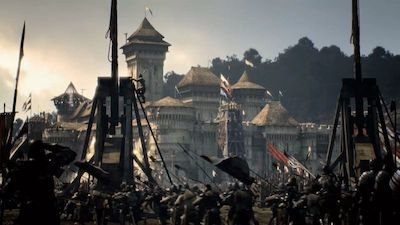
The Story of Europe is a fascinating documentary series exploring the rich and complex history of the European continent. In season 1 episode 5, titled "Commonalities and Division," viewers are taken on a journey through time, exploring the ways in which Europe has both united and divided over the centuries.
The episode opens with a look at the roots of European identity, tracing their origins back to the ancient Greeks and the idea of democracy. From there, it explores the ways in which European culture and society flourished during the Middle Ages, with the rise of the great cathedrals and universities.
But as the episode progresses, it becomes clear that Europe's history is also marked by division and conflict. The documentary delves into the wars and rivalries that have dominated European politics, from the Hundred Years' War to the Napoleonic Wars and beyond.
Along the way, the episode looks at some of the key figures who have shaped European history, including Joan of Arc, Martin Luther, and Napoleon. It examines their impact on the continent and their legacy in modern Europe.
But the documentary also considers the ways in which conflict and division have been overcome. The episode looks at the role of institutions like the European Union in promoting cooperation and unity across the continent. It also examines the work of visionary leaders like Winston Churchill, who pushed for closer European integration in the years following World War II.
Throughout it all, "Commonalities and Division" offers a fascinating look at the intricate tapestry of European history. It shows how the continent's past has been shaped by both commonalities and division, and how these forces continue to influence European society and politics to this day.
With stunning visuals and engaging storytelling, this episode of The Story of Europe is a must-watch for anyone with an interest in history and culture. It offers a fresh perspective on the continent's complex and remarkable past, illuminating the many ways in which Europe's past continues to shape its present and future.
