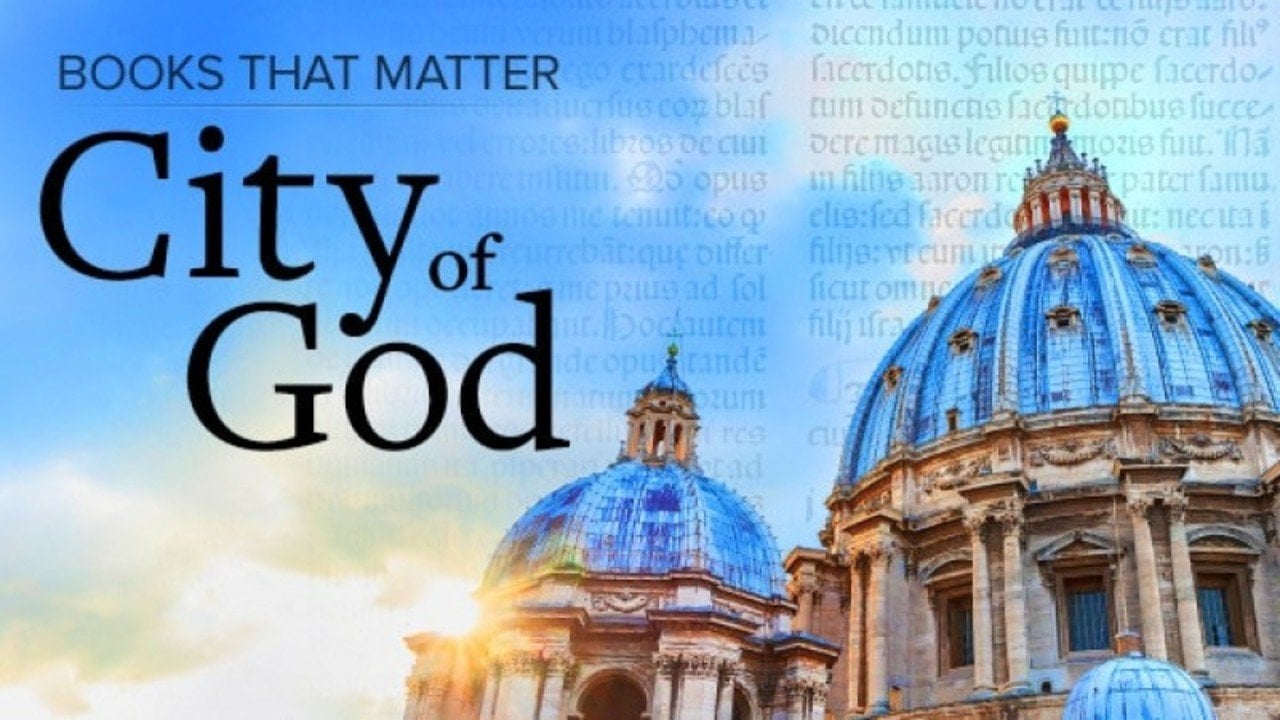
Books that Matter: The City of God Season 1 Episode 13 Metaphysics of Creation and Evil (Book 11)
- TV-PG
- October 21, 2016
- 33 min
In this thought-provoking episode of Books that Matter, titled Metaphysics of Creation and Evil (Book 11), viewers are invited to delve into the intricate philosophical landscape that Saint Augustine navigates in his monumental work, The City of God. This episode focuses on the crucial themes of creation, the nature of evil, and the profound implications these have for human existence and divine justice.
At the heart of this exploration lies Augustine's assertion that God, as the ultimate source of all goodness, creates the world with intentionality and purpose. The episode begins by examining the biblical creation narrative and its philosophical ramifications, emphasizing the distinction between God’s creation, which is fundamentally good, and the existence of evil, which poses a challenge to theological understanding. Guests, including theologians and philosophers, engage in a rich discussion, unpacking Augustine’s notion of evil as a privation of good rather than a substantive force in itself. This perspective reshapes the traditional understanding of goodness and morality, encouraging viewers to contemplate the nature of existence and the role of free will in the face of suffering and moral choices.
Throughout the episode, the narrative interweaves historical context and contemporary relevance, drawing connections between Augustine's 5th-century insights and modern dilemmas regarding morality, ethics, and the nature of human struggle. Augustine’s grappling with the problem of evil, especially in light of personal losses and the tumultuous events of his time, serves as a powerful reminder of the enduring human quest for meaning amidst chaos. The discussion delves into how Augustine’s views on the relationship between God and creation can enlighten our understanding of contemporary issues, from natural disasters to personal tragedies.
Visual representations and animated segments bring to life Augustine’s philosophical arguments, making complex ideas accessible to a wider audience. The episode also features interviews with scholars who have dedicated their studies to Augustine’s thought, shedding light on how his ideas have influenced Western philosophy, theology, and literature over the centuries. They reflect on the tensions between faith and reason that Augustine navigated, lending insight into his enduring influence on both religious and secular discourse.
As the narrative progresses, the show presents a thoughtful examination of the concept of free will in Augustine’s theology. This exploration reveals how individual agency plays a crucial role in the manifestation of good and evil in the world. The discourse raises critical questions about human responsibility, moral choices, and the implications of an omnibenevolent deity coexisting with the suffering experienced in the world. The episode invites viewers to ponder how free will contributes to the richness of human experience while simultaneously complicating the understanding of divine justice and the presence of evil.
Throughout Metaphysics of Creation and Evil, the dialogue becomes increasingly reflective, encouraging viewers to engage actively with their own beliefs and assumptions about creation, evil, and the divine. The show emphasizes the importance of grappling with these existential questions, positing that understanding Augustine's insights can offer a framework for approaching life’s complexities with both humility and hope.
The episode concludes with an invitation for personal reflection, encouraging viewers to consider how Augustine’s thoughts on creation and the nature of evil resonate in their own lives. By proposing that the quest for understanding is just as vital as the answers one might seek, the episode seeks to inspire a dialogue that extends beyond the screen and into everyday existence. Ultimately, this episode of Books that Matter challenges viewers to confront the fundamental questions of their own beliefs about life, suffering, and the quest for goodness in an often tumultuous world, thereby honoring Augustine's legacy as a profound thinker whose relevance endures through the centuries.
