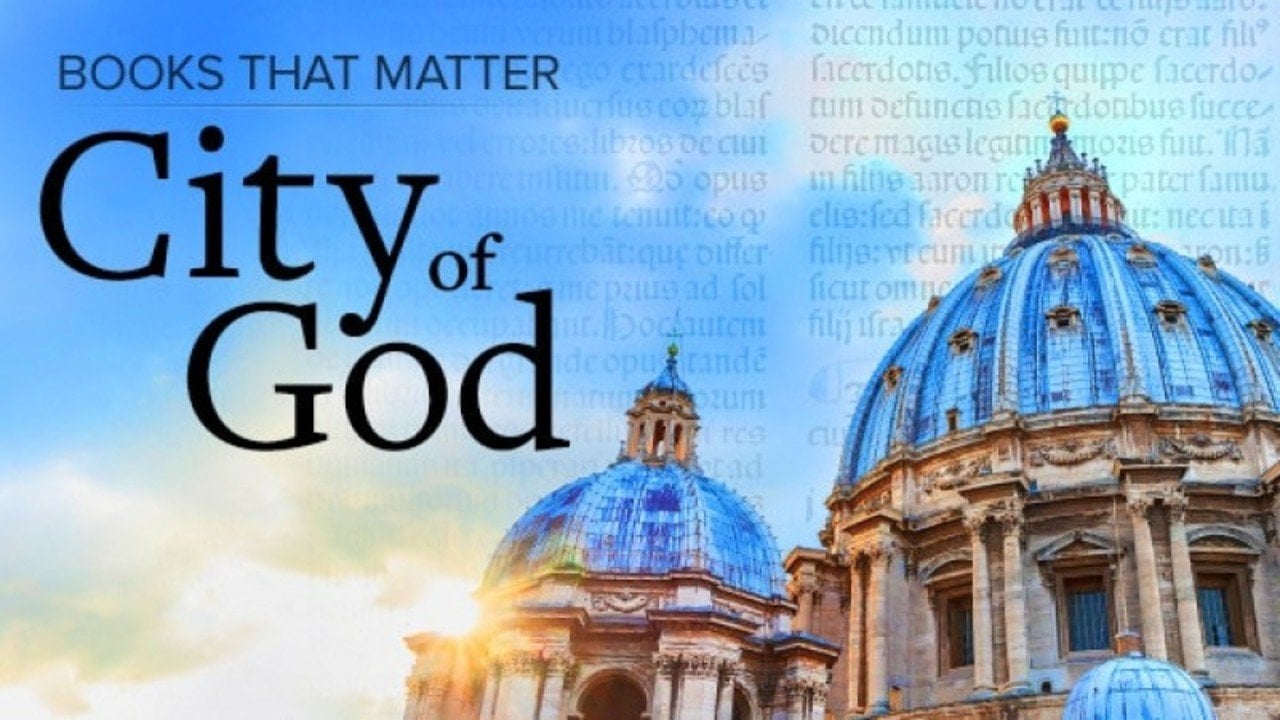
Books that Matter: The City of God Season 1 Episode 17 Augustine's Scriptural History (Books 15-17)
- TV-PG
- October 21, 2016
- 31 min
In the seventeenth episode of Books that Matter: The City of God, titled Augustine's Scriptural History (Books 15-17), the series delves into the rich theological tapestry woven by Saint Augustine as he interprets the sacred texts and their relevance to the unfolding narrative of human history and society. This episode serves as an insightful exploration of Augustine's profound engagement with Scripture, offering viewers a lens through which to understand his thoughts on divine providence, morality, and the nature of human existence.
As the episode unfolds, it brings to life Augustine's commentary on the Old Testament, focusing particularly on his understanding of historical events as reflective of God’s overarching plan for humanity. The narrative is structured around key themes from Books 15 to 17 of The City of God, providing a scholarly yet accessible analysis of Augustine's exegetical approach. Each of these books serves as a critical examination of the historical narratives found within Scripture, intertwined with Augustine's philosophical reflections that continue to resonate in theological discussions today.
The episode opens by contextualizing the historical backdrop of Augustine's work, set against the decline of the Roman Empire and the rise of Christianity. This setting is crucial, as it highlights the urgency with which Augustine addresses the crises of his time – issues of morality, social disruption, and spiritual yearning. The episode effectively outlines how Augustine interprets these contemporary struggles through the lens of biblical history, transforming Scripture into a living document that speaks to both individuals and society as a whole.
Throughout the episode, viewers are introduced to key characters and events from the Scriptures that Augustine addresses, including the histories of Israel and the significance of various figures who shaped the Hebrew tradition. The narration emphasizes how Augustine uses these narratives to illustrate themes of sin, redemption, and the ultimate sovereignty of God. The episode invites the audience to reflect on deep moral questions, encouraging contemplation of how the lessons of the past continue to inform present ethical dilemmas.
The exploration of Augustine’s Scriptural history is complemented by insightful commentary from a diverse panel of theologians and scholars, who provide context and analysis of Augustine’s interpretations. Their discussions illuminate Augustine's methodology in hermeneutics, highlighting his belief in the allegorical and moral readings of Scripture. This scholarly discourse, combined with Augustine's original texts, helps to unfold the layers of meaning embedded within the biblical accounts and how they serve as a mirror to human experience and divine engagement.
As the episode progresses, it addresses the unique challenges Augustine faced in reconciling the goodness of God with the presence of evil in the world – a theme that resonates deeply within his writings. By examining the stories of the Old Testament, Augustine articulates the notion that hardships and trials faced by humanity are not signs of divine abandonment but rather opportunities for growth, learning, and deeper faith. This perspective shifts the viewer's understanding of suffering, painting it not as a narrative of despair, but as a compelling invitation to seek a greater understanding of God’s purpose.
A particularly engaging aspect of the episode is its exploration of Augustine’s views on the temporality of human kingdoms versus the eternal nature of the City of God. This dichotomy is thoroughly examined, prompting the audience to consider the implications of Augustine's thoughts on governance, justice, and the ideal society. In a world often preoccupied with political power and earthly status, Augustine’s reflections remind us of the importance of aligning our actions with higher principles and values, ultimately seeking a society that reflects divine truth.
The episode concludes by reflecting on the lasting impact of Augustine's Scriptural history on Western thought. His ideas have influenced countless theologians, philosophers, and everyday believers, shaping the discourse around faith and its role in human society. The episode leaves viewers with a sense of continuity, not only in Augustine's time but also how his insights apply to contemporary life and spirituality.
Overall, Augustine's Scriptural History (Books 15-17) serves as a compelling entry point into Saint Augustine's profound theological insights while inviting viewers to engage with age-old questions of faith, ethics, and the nature of existence. The episode emphasizes Augustine's ability to transcend time and place, making his reflections not just historically significant, but also timelessly relevant for today’s audience seeking meaning in a complex world.
