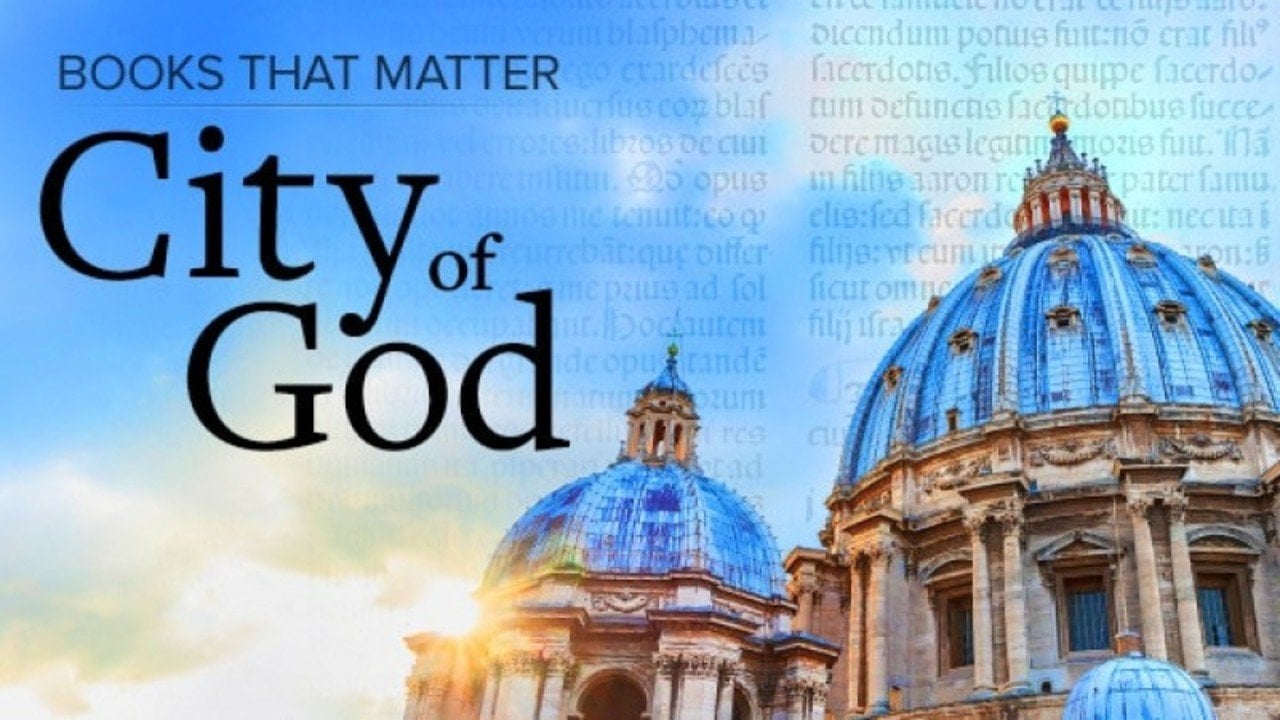
Books that Matter: The City of God Season 1 Episode 3 The Sack of Rome, 410 A.D.
- TV-PG
- October 21, 2016
- 28 min
In the third episode of the compelling series Books that Matter, titled The Sack of Rome, 410 A.D., viewers are invited to delve into a tumultuous period in history that left an indelible mark on the Western world. This episode provides a nuanced exploration of the events surrounding the fall of Rome to the Visigoths, weaving together historical context, cultural significance, and the profound impact on society and religion.
Set against the backdrop of a crumbling empire, viewers are introduced to the city of Rome at the height of its vulnerability. The once-invincible seat of power is now besieged by insecurity and instability. The episode meticulously details the factors that led to this watershed moment, including political corruption, social unrest, and a series of military defeats that have weakened Rome’s defenses and confidence.
Through expert interviews and vivid reenactments, the episode paints a portrait of the Visigothic leader Alaric, who is depicted not merely as a conqueror, but as a complex figure driven by a blend of revenge, desperation, and ambition. His army’s march toward Rome is not just a military campaign; it is a quest for respect and recognition in a world that has long marginalized the barbarian tribes. The episode invites viewers to ponder the motivations and aspirations of those who are often labeled as the enemy in historical narratives.
As the siege unfolds, the episode captures the fear and chaos that grips the citizens of Rome. The once-bustling streets echo with uncertainty, and the atmosphere swells with tension as Guardian soldiers and civilians brace for a confrontation that many believe will end in disaster. The episode thoughtfully examines the social fabric of Rome, showcasing the lives of ordinary people amidst the impending doom, highlighting tales of heroism, despair, and resilience in the face of adversity.
One of the pivotal moments of the episode is the philosophical discourse on the implications of the sack on Christian thought, as it coincides with significant theological developments of the era. The narrative connects the historical events to the broader cultural shifts that are emerging within the Roman Empire, particularly the rise of Christianity as a potent force in society. Viewers are introduced to key figures of the time, including Augustine of Hippo, whose reflections on the fall of Rome offer a platform for examining the interplay between faith, morality, and the concept of divine justice.
The Sack of Rome, 410 A.D. also reflects on the consequences that this cataclysmic event had on the collective consciousness of an empire in decline. Through poignant storytelling and rich historical analysis, the episode examines how the event served as a catalyst for a transformation in the Roman worldview. The episode invites viewers to grapple with the notion of civilization itself, pondering questions about what it means to fall and how societies can rebuild in the aftermath of trauma.
Art and architecture serve as powerful symbols throughout the episode, representing both the glory of Rome and its inevitable decay. The program examines how the visual legacy of Rome—its monuments, sculptures, and buildings—reflects the duality of triumph and tragedy. As the barbarians breach the city walls, the destruction of these artistic expressions leads to a poignant discussion about the fragility of cultural heritage in the face of violence.
In addition to the historical analysis, the episode captures the emotional weight of loss and cultural displacement experienced by the Romans. Through moving narratives, viewers are invited to empathize with the inhabitants of the city as they confront the desecration of their sacred spaces and the shattering of their cultural identity. The episode examines the aftermath, exploring the philosophical and theological implications of a society grappling with the question of divine favor amidst calamity.
As the episode draws to a close, it leaves audiences with reflections that resonate beyond the historical context. The fall of Rome is portrayed not just as an ending, but as a precursor to new beginnings. It invites viewers to consider how crises can pave the way for transformation, adaptation, and resilience, echoing themes that remain relevant in contemporary discussions about governance, identity, and faith.
The Sack of Rome, 410 A.D. is a riveting exploration of a pivotal moment in history, blending scholarly insight with emotionally charged storytelling to reveal the nuances of a society on the brink. Offering a deeper understanding of the intricacies of human experience during times of upheaval, this episode promises to resonate with history enthusiasts and casual viewers alike, ultimately emphasizing the idea that some stories—both of triumph and despair—truly matter.
