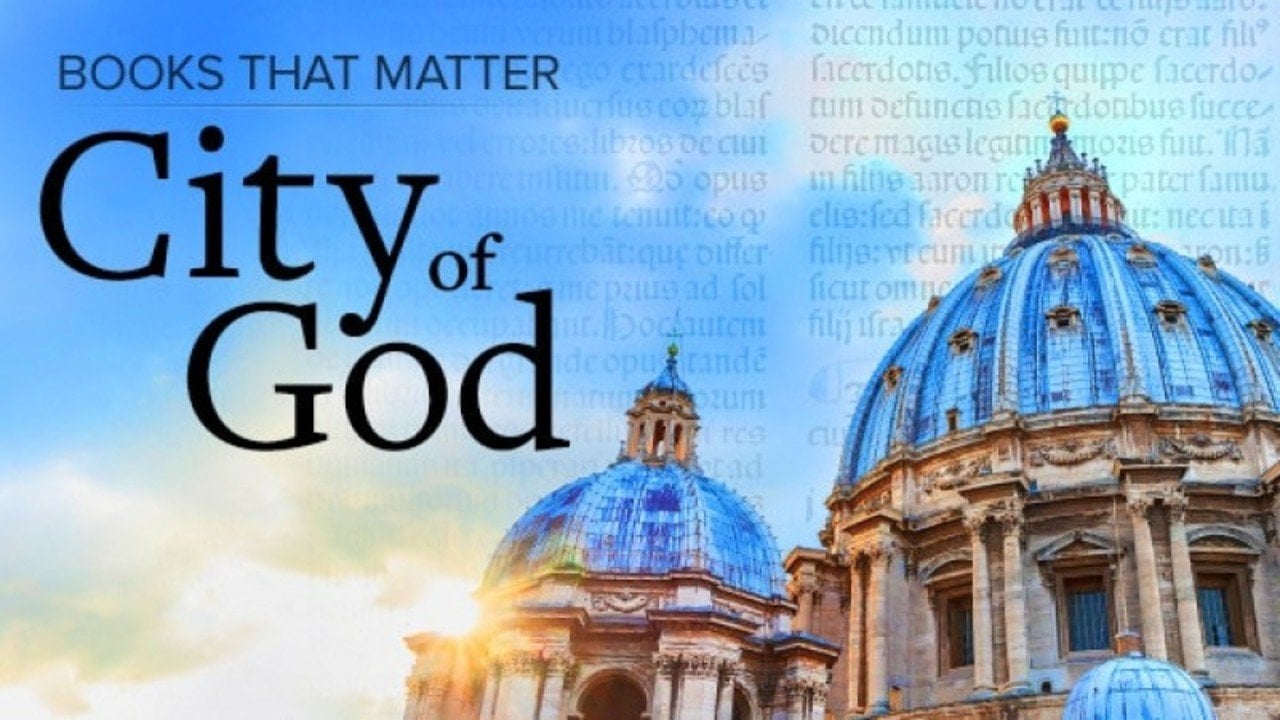
Books that Matter: The City of God Season 1 Episode 5 The Problem of Suffering (Book 1)
- TV-PG
- October 21, 2016
- 30 min
In the fifth episode of the first season of Books that Matter, titled The Problem of Suffering (Book 1), viewers are invited to explore one of humanity's most profound and challenging dilemmas: the existence of suffering in a world that is often perceived as governed by a benevolent deity. This episode dives deep into a critical examination of philosophical and theological perspectives on suffering, with an emphasis on the influential work of St. Augustine, a pivotal figure in Christian thought.
The episode opens with an exploration of the historical context in which Augustine formulated his ideas regarding suffering and evil. By delving into the tumultuous social and personal circumstances of Augustine's life, including his early years of moral struggle and his eventual conversion to Christianity, viewers gain a rich background for understanding the intellectual environment that shaped his thoughts. The narrative frames Augustine not merely as a theologian but as a profoundly human figure grappling with the questions that plague humanity across the ages.
Throughout this episode, the hosts engage with Augustine's key arguments from his seminal text, The City of God, particularly focusing on how he addresses the coexistence of suffering and a just, all-powerful God. The discussions highlight the fundamental question: If God is good and powerful, why does He allow suffering? This inquiry opens up a multi-faceted dialogue, peppered with insights from contemporary theological scholars and philosophers, who illustrate how Augustine's work has informed and influenced modern understandings of morality and pain.
Interwoven with Augustine’s reflections are poignant stories and examples of human suffering—ranging from personal anecdotes to historical instances that emphasize the universal experience of pain. The episode does not shy away from difficult topics; instead, it embraces them with sensitivity and depth, urging viewers to reflect not only on Augustine’s insights but also on their own lived experiences. The hosts carefully navigate the nuances of Augustine's philosophy, making it accessible to audiences while sparking critical thought about the nature of suffering.
As the discussions progress, viewers are introduced to various interpretations and critiques of Augustine’s approach, showcasing a spectrum of thought that extends from ancient philosophy to contemporary existentialism. Guests—ranging from theologians to psychologists—contribute their expertise, providing a richer understanding of how suffering is perceived in different cultural and intellectual traditions. They discuss alternative frameworks for interpreting suffering, including ways in which it can lead to personal growth, resilience, and a deeper understanding of oneself and others.
The episode also examines the implications of Augustine's views on suffering for the broader Christian narrative, particularly regarding themes of redemption and hope. The hosts highlight how he posited that suffering can lead to a greater appreciation of divine grace, framing pain as a means to cultivate spiritual maturity and compassion. This approach encourages viewers to reconsider their own perspectives on suffering, challenging them to think about how pain can shape character and foster connections with others.
Visual storytelling continues to play an impactful role in this episode. Beautifully crafted imagery and evocative visuals underscore key themes and narrative arcs. The cinematography captures both the gravity of suffering and the glimmers of hope that can arise from bleak circumstances, creating a compelling emotional resonance that complements the intellectual discourse.
Despite the heavy subject matter, The Problem of Suffering (Book 1) maintains an engaging and thought-provoking tone throughout, inviting viewers to engage in reflective contemplation rather than despair. The episode concludes with a sense of openness, leaving audiences pondering the complexities of suffering and the ways in which they can find meaning within their own challenges.
Ultimately, this episode of Books that Matter serves as a timely reminder of the resilience of the human spirit in the face of suffering. By marrying Augustine's profound philosophical insights with contemporary reflections, the episode encourages viewers to wrestle with their own understanding of pain, reach out for support, and consider the transformative potential that lies in their suffering. As the episode closes, it opens the door to further exploration in the next installment, inviting viewers to continue the journey of understanding and reflection that St. Augustine began over a millennium ago.
