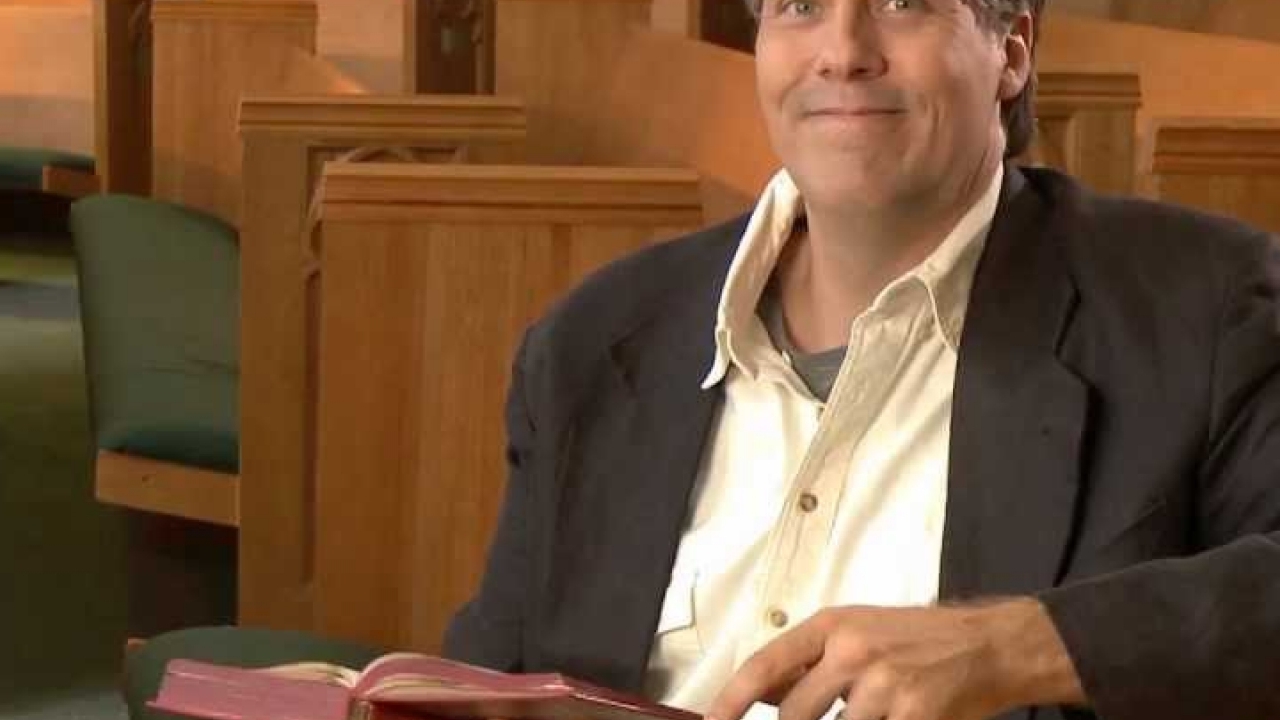
Chuck Knows Church Season 2 Episode 15 Licensed Local Pastors
- July 30, 2013
- 4 min
In this episode of Chuck Knows Church season 2, titled "Licensed Local Pastors," viewers will learn about the role of local pastors in the United Methodist Church. Chuck, the charismatic and knowledgeable host, explains that local pastors are ordained ministers who serve in a specific geographical area rather than being appointed to a particular church.
Chuck provides historical context for the development of local pastors in the United Methodist Church. He notes that when the church was first established in America, pastors were often circuit riders who traveled to different towns to preach and minister to the people. As the church grew and became more established, local pastors emerged as a way to provide more consistent and stable leadership to churches in a particular area.
Chuck also explains the process of becoming a licensed local pastor. He notes that the requirements vary somewhat depending on the jurisdiction, but generally include completing a course of study, meeting certain age and education requirements, and being recommended by a church board or committee. Once licensed, a local pastor can perform many of the same duties as an ordained minister, such as preaching and administering sacraments.
In addition to discussing the role and qualifications of local pastors, Chuck also highlights some of the benefits of having local pastors in the United Methodist Church. He notes that these ministers often have a deep understanding of the particular needs and challenges facing their communities, and are well-positioned to minister effectively to those needs.
Throughout the episode, Chuck interviews several local pastors who share their personal experiences serving in their communities. Viewers get a sense of the diversity of local pastors in terms of background, experience, and ministry styles. Some pastors talk about working with youth or ministering to specific cultural or ethnic communities, while others discuss the challenges of serving in a smaller or more rural church.
One common theme that emerges in these interviews is the degree to which local pastors are deeply embedded in their communities. They often know their parishioners on a more personal level than an ordained minister who may be appointed to a particular church for only a few years at a time. This depth of knowledge and connection can be a great asset in ministering effectively to the particular needs of a community.
Another interesting aspect of the episode is the discussion of the relationship between local pastors and ordained ministers. Chuck notes that while local pastors have many of the same responsibilities and duties as ordained ministers, they are not automatically granted the same level of authority or professional respect. This can sometimes lead to tension or misunderstandings between local pastors and other members of the clergy.
Overall, "Licensed Local Pastors" is a fascinating and informative exploration of an important but often overlooked aspect of United Methodist Church ministry. Chuck's engaging style and the personal stories of local pastors make for an engaging and inspiring viewing experience. Viewers will come away with a deeper appreciation for the vital role that local pastors play in ministering to their communities.
