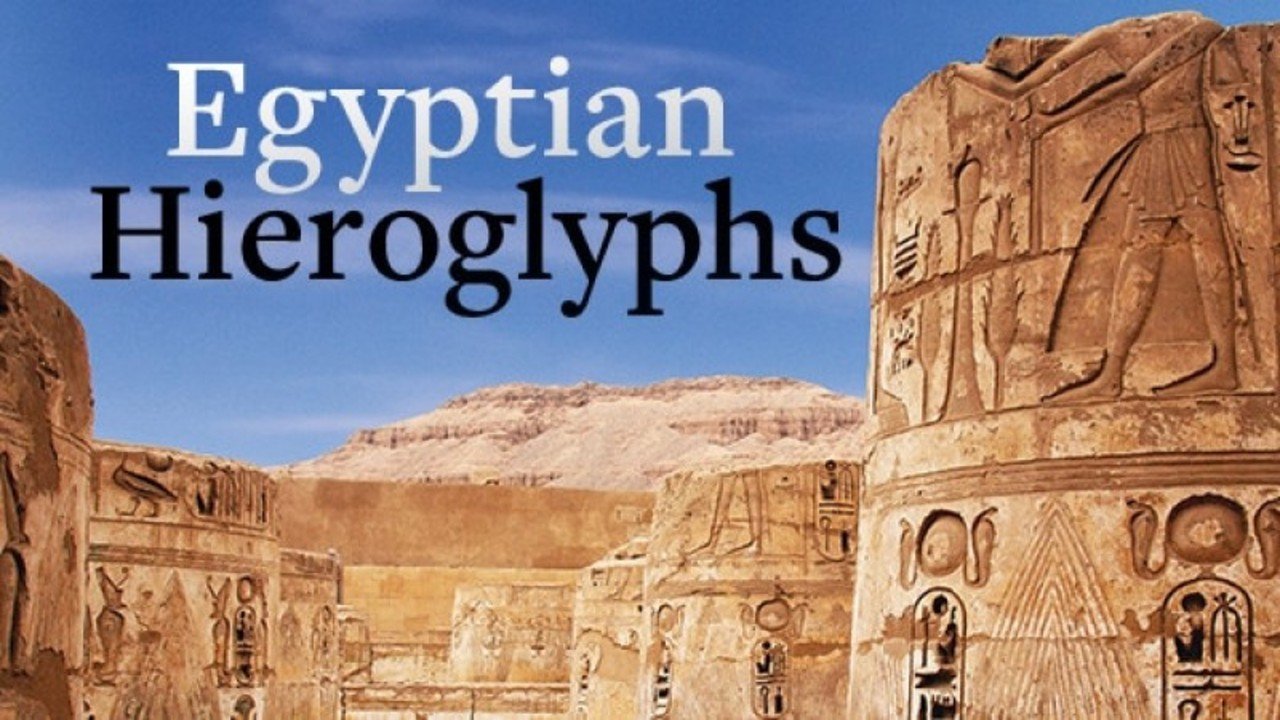
Decoding the Secrets of Egyptian Hieroglyphs Season 1 Episode 16 The Egyptian Calendar
- TV-PG
- October 21, 2016
- 29 min
In the sixteenth episode of the captivating series Decoding the Secrets of Egyptian Hieroglyphs, titled The Egyptian Calendar, viewers are taken on an enlightening journey through the intricate world of timekeeping in ancient Egypt. The episode delves into the remarkable ways the Egyptians structured their calendar system, which was crucial to their daily lives, religious practices, agricultural cycles, and governance.
The episode opens with a historical overview of the Egyptian calendar’s origins, tracing its development from a lunar-based system to the more structured solar calendar that we recognize today. Experts in Egyptology and scholars specializing in ancient timekeeping illuminate the transition and the motivations behind these changes, emphasizing the Egyptians’ observations of celestial phenomena and their deep connection to the rhythms of nature.
As the narrative unfolds, viewers are introduced to the various months of the year, each with its own significance tied to festivals, religious rituals, and agricultural seasons. The episode highlights the twelve months of the civil calendar, showcasing how the Egyptians meticulously divided their year into distinct periods that governed their activities. The focus extends to how these divisions facilitated trade, the management of resources, and the planning of significant events, showcasing the ingenuity of the ancient civilization in reining in the cosmos for practical purposes.
The Egyptian Calendar also shines a spotlight on the monumental role of astronomy in shaping the calendar. Through stunning visuals and expert commentary, the episode explains how ancient Egyptians stargazed and recorded the movements of celestial bodies, including the sun, moon, and stars. Viewers will learn how the heliacal rise of Sirius, for instance, marked the annual flooding of the Nile, a vital event for agriculture that dictated the rhythms of life along the river's banks.
Throughout the episode, the connection between the calendar and Egyptian mythology is explored in depth. The show examines deities associated with time and celestial movements, such as Thoth, the god of wisdom and knowledge, who is often depicted as a scribe recording the passage of time. This illustrates the intricate intertwining of religion and daily life in ancient Egypt, where mythology played a crucial role in the understanding of temporal cycles.
Educational animations and graphics complement expert interviews, helping to visualize the concepts discussed, such as the unique concepts of days, weeks, and months in ancient Egypt. The episode carefully outlines the differences between the civil and lunar calendars, shedding light on how the Egyptians reconciled their practical needs with the celestial events that dictated their reality.
The Egyptian Calendar also touches upon the administrative aspects of timekeeping and record-keeping in ancient Egypt. Viewers will gain insights into the vital responsibilities of scribes, who meticulously documented information related to agricultural cycles, taxation, and the planning of religious festivals, all of which were intrinsically linked to the calendar. The portrayal of the scribes as the backbone of societal organization provides a deeper understanding of how time influenced governance and societal structures.
In addition to historical perspectives, the episode examines how the Egyptian calendar has impacted contemporary understandings of time and how remnants of this ancient system are still observed today. It invites viewers to ponder the legacy of the Egyptian calendar and its profound influence on modern-day calendars that transcend geography and culture.
As the episode draws to a close, it leaves viewers with a greater appreciation for the complexity and sophistication of timekeeping in ancient Egypt. The Egyptian Calendar illustrates not merely a system of measuring time but a reflection of the civilization’s values, beliefs, and its profound connection to the natural world. Through a blend of historical analysis, expert insights, and visual storytelling, this episode serves as a compelling exploration of how the Egyptians endeavored to decode the universe’s secrets and align their lives accordingly.
In a world where the passage of time often feels regimented and constrictive, The Egyptian Calendar offers a refreshing perspective that invites reflection on how civilizations have historically related to time, inviting echoes of an ancient wisdom that still reverberates through our lives today. The episode is an invitation to appreciate the beauty of time as both a scientific and philosophical concept, resonating through the ages.
