Chinese Pinyin Course

Watch Chinese Pinyin Course

  • 1969
  • 1 Season

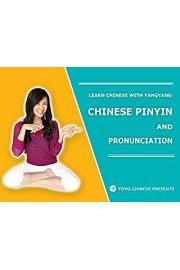
Chinese Pinyin Course is an educational show hosted by Yangyang Cheng from YoyoChinese.com. The show is aimed at teaching the basics of Mandarin pronunciation through the use of Pinyin, which is the Romanisation of the Chinese language. Pinyin is the most commonly used tool for non-native speakers to learn Mandarin, as it uses the Roman alphabet to represent the sounds of the Chinese language. The Chinese Pinyin Course takes viewers through the fundamentals of Pinyin, including the four tones, initial and final sounds, and the use of Pinyin in conjunction with characters.

Yangyang Cheng, the host of the show, is a Chinese language teacher and founder of YoyoChinese.com, which offers online Mandarin courses for learners of all levels. Yangyang is an experienced and enthusiastic teacher, and her approachable style helps to make learning Mandarin easy and enjoyable.

The Chinese Pinyin Course is divided into several episodes, each of which focuses on a particular aspect of Pinyin. The first episode introduces viewers to the basic concept of Pinyin and the four tones, which are essential to master for correct pronunciation. Yangyang demonstrates the difference between each tone through the use of common Chinese words, making it easy for viewers to understand and practice on their own.

In subsequent episodes, Yangyang covers more advanced topics such as initial and final sounds, syllable structure, and grammar. Viewers will learn how Pinyin is used to represent different sounds and how those sounds change depending on their position within a word or sentence. Yangyang also provides tips and tricks for memorising the different sounds, making it easier to remember and apply them when speaking Mandarin.

Throughout the show, Yangyang emphasises the importance of practice in mastering Pinyin. She encourages viewers to repeat after her and to practice speaking every day, as this is the best way to improve their pronunciation and build confidence when using Mandarin in real-life situations.

In addition to the episodes themselves, the Chinese Pinyin Course also includes a range of supplementary materials to help learners reinforce their knowledge. This includes practice exercises, quizzes, and downloadable resources such as Pinyin charts and flashcards.

Overall, Chinese Pinyin Course is an excellent resource for anyone looking to learn Mandarin. Yangyang Cheng is a knowledgeable and engaging host, and the show is structured in a way that makes it easy to follow and understand. Whether you're a complete beginner or looking to improve your existing Mandarin skills, Chinese Pinyin Course is a must-watch for anyone serious about learning this fascinating language.

Filter by Source
No sources available
Seasons
Comprehensive Review (Part 6)
27. Comprehensive Review (Part 6)
 
In this last part of the six-part comprehensive pinyin review, wrap things up with some extra review of the pinyin sounds that may sound similar to you - as an English speaker - but sound very different to a Chinese speaker. Learn to master these so you can truly sound like a native speaker yourself!
Comprehensive Review (Part 5)
26. Comprehensive Review (Part 5)
 
In part five of your six-part comprehensive pinyin review, head back to that special 'u with an umlaut' character '¼' and focus on how it's different from a normal 'u' sound. Yangyang provides some important examples here, so make sure to practice yourself!
Comprehensive Review (Part 4)
25. Comprehensive Review (Part 4)
 
In this lesson, continue your comprehensive review of pinyin with part four of six. Specifically, you'll cover some potentially tricky pinyin sounds that look completely different on paper, but actually rhyme when you speak them out loud.
Comprehensive Review (Part 3)
24. Comprehensive Review (Part 3)
 
In part three of your comprehensive pinyin reivew, focus on some of the more difficult aspects of pinyin that often confuse students like words that look similar, but have completely different pronunciations.
Comprehensive Review (Part 2)
23. Comprehensive Review (Part 2)
 
In this lesson, continue your review of pinyin with a review of syllables that contain the letter 'i'. There are more than one sounds to master here, so make sure you pay special attention and do your own practice at the end!
Comprehensive Review (Part 1)
22. Comprehensive Review (Part 1)
 
It's time to start reviewing everything you've learned about pinyin so far in part 1 of a 6-part series of pinyin review. In this first lesson, go over the pinyin vowel sounds again, as well as a few words that are tricky to pronounce.
Initials: z c s
21. Initials: z c s
 
In your final lesson on Chinese initials, learn the 'z', 'c', and 's' sounds to close out your mastery of Chinese pronunication! Once again, remember to pay close attention how to form these sounds with your mouth as they may not come as easily as other Chinese sounds.
Initials: zh ch sh r
20. Initials: zh ch sh r
 
In this lesson, continue your study of Chinese initials with four new sounds: 'zh', 'ch', 'sh', and 'r'. Remember, these sounds are not found in English so make sure to pay close attention to the explanations and practice yourself!
Initials: j q x
19. Initials: j q x
 
You've learned the Chinese finals, and now it's time to start learning 'initials'. Fortunately, most Chinese final sounds are already found in English! So you can focus on the ones that matter. In this video, get started with 'j', 'q', and 'x'.
18. "¼" Group Finals
 
In this lesson, get ready to finish off your work on pinyin finals by focusing on all the finals that start with the letter '¼'. The special spelling rules from the previous lesson apply here, so make sure to pay special attention!
œ: Pronunciation & Spelling Rules
17. œ: Pronunciation & Spelling Rules
 
Many sounds in Chinese already exist in English, but some of the new ones can be tricky for English speakers. In this lesson, take a short break from finals and focus on the special pinyin final ¼ and how to pronounce it.
16. "u" Group Finals (Part 2)
 
In part seven of the pinyin final series, continue learning the rest of the finals that start with the letter 'u'. You'll also learn an important tip about a few cases where the 'u' doesn't appear, but is pronounced anyway.
15. "u" Group Finals (Part 1)
 
In this lesson, get started learning the first section of the 'u' finals in pinyin. 'U' might not be pronounced as you think, so make sure you pay close attention. You'll learn a new pieces of vocab and practice your tones while you're at it!
14. "o" Group Finals
 
In this lesson, continue learning the pinyin finals and focus on the finals that start with the letter 'o'. There are only three so listen close and make sure you don't miss any!
13. "i" Group Finals (Part 2)
 
In this lesson, finish up the group of finals you started in the last lesson - the finals that start with the letter 'i'. Make sure you watch all the way to the end to learn an essential spelling rule associated with this group.
12. "i" Group Finals (Part 1)
 
In the next lesson of the pinyin finals series, learn all about the first section of the finals that start with the letter 'i'. This group can be a little tricky so make sure to pay attention and practice!
11. "e" Group Finals
 
In this lesson, continue learning all of the possible pinyin finals group by group - this time jumping into the finals starting with the letter 'e'.
10. "a" Group Finals
 
Pinyin finals are an essential part of mastering Chinese pronunciation. In this lesson, get started practicing finals by focusing on the first group of finals starting with the letter 'a'.
Tone Pairs (Part 4)
9. Tone Pairs (Part 4)
 
In this lesson, it's time to start practicing the final batch of tone combinations all starting with the fourth tone. Once you've completed this, you'll have learned all possible tone combinations in Mandarin!
Tone Pairs (Part 3)
8. Tone Pairs (Part 3)
 
Now that you have the first and second tone tone pair combinations down, it's time to work on the third tone. In this lesson, learn and practice your third tone tone pair combinations and also review the 'double third tone rule' about how to pronounce two third tones in a row.
Tone Pairs (Part 2)
7. Tone Pairs (Part 2)
 
After the first tone comes the second - so it's time to get started on number two of the tones. In this lesson, continue practicing tone pairs and start working on all of the possible second tone tone pair combinations from 2-1 to to 2-5.
Tone Pairs (Part 1)
6. Tone Pairs (Part 1)
 
Although many people tend to learn and practice tones in isloation, there's no question that they're best learned in pairs together. In this lesson, get an introduction to the concept of tone pairs and start practicing first tone tone pairs yourself.
Neutral Tone
5. Neutral Tone
 
Each word has a tone, but did you know that tones also change sometimes depending on context? It sounds tricky, but don't despair - watch this video as Yangyang breaks down the tone change rules for you as well as introducing the 5th 'neutral' tone.
3rd Tone & 4th Tone
4. 3rd Tone & 4th Tone
 
You're halfway there with the tones now and it's time to tackle the third and fourth tones. In this lesson, let Yangyang break down these essential sounds for you and how to produce them yourself using a few essential tips.
1st Tone & 2nd Tone
3. 1st Tone & 2nd Tone
 
All of the tones are important, but it's a good idea to really focus on each one when you're getting started. In this lesson, learn all about the first and second tones, how to pronounce them, and a few tricks you can use to make sure your understanding and pronunciation of the first two tones is spot on.
Overview of Tones
2. Overview of Tones
 
Chinese is a 'tonal language' - but what does that mean? In this lesson, listen as Yangyang explains how tones work in Chinese and why they're so important to mastering the language.
Overview of Pinyin
1. Overview of Pinyin
 
Have you ever wondered how people type Chinese characters? The answer lies in the wonderfully useful phonetic system used to spell out Chinese words called 'pinyin'. In this lesson, get an introduction to pinyin and how you'll use it to start learning Chinese.
Description