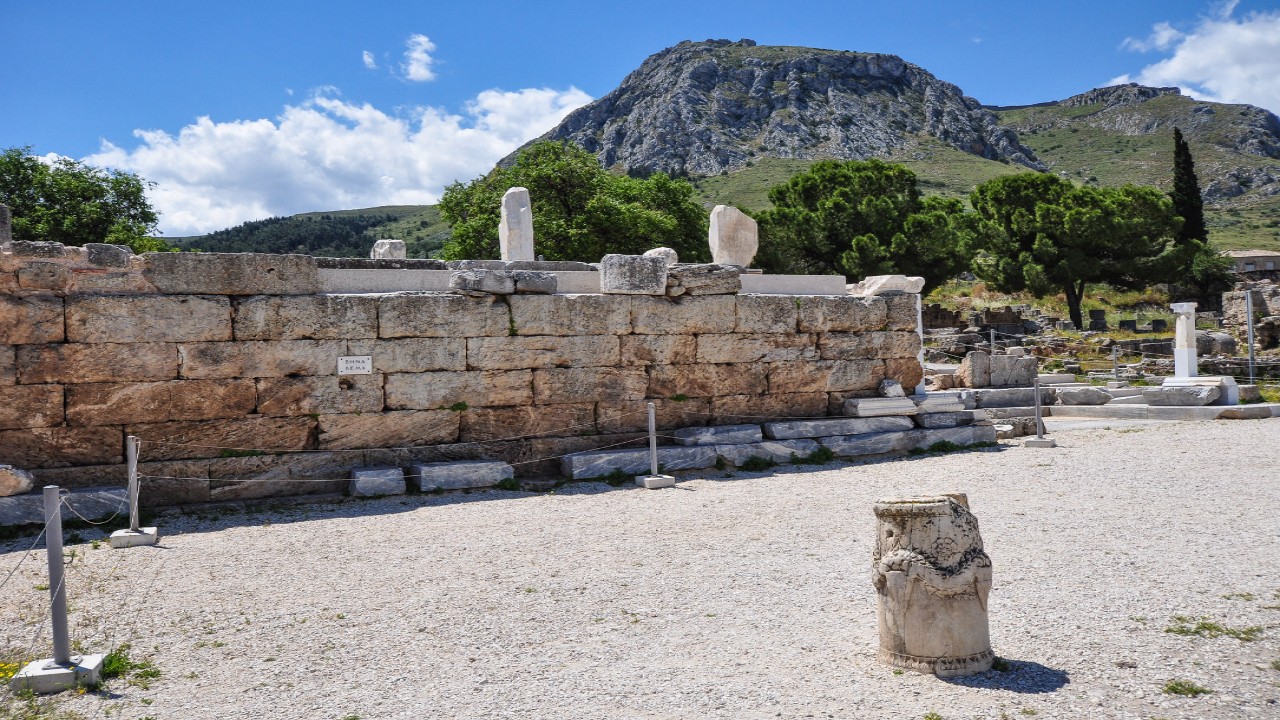
Understanding Greek and Roman Technology: From Catapult to the Pantheon Season 1 Episode 12 From Source to City--Water Supply Systems
- TV-PG
- December 13, 2013
- 28 min
In the twelfth episode of Understanding Greek and Roman Technology: From Catapult to the Pantheon, titled From Source to City--Water Supply Systems, viewers embark on a fascinating exploration of ancient engineering marvels that shaped urban life in Greek and Roman civilizations. This episode delves deep into the ingeniously designed water supply systems that were crucial for the development and sustainability of cities in antiquity, revealing the profound impact of access to water on social structures, public health, and urban planning.
From the outset, the episode illustrates the challenges faced by ancient cities with regard to water sourcing and distribution. The presenters set the stage by discussing the vital role of water in daily life—from basic needs such as drinking and cooking to more complex uses, including sanitation and recreational baths. They introduce the primary sources of water for ancient cities: rivers, springs, and reservoirs, and reveal how these resources influenced the geographical and political development of urban centers.
As the episode unfolds, viewers are taken on a virtual tour of various key sites, showcasing the sophisticated aqueducts and pipelines devised by Greek and Roman engineers. Through high-definition reconstructions and expert commentary, audiences gain insight into the meticulous planning and technical expertise required to transport water over long distances and uneven terrains. Special emphasis is placed on famous structures like the Aqua Appia and Aqua Claudia, marvels of Roman engineering that exemplify the grandeur and functionality of the empire’s aqueduct system.
Interweaving historical accounts with modern archaeology, the episode highlights several significant archaeological sites where remnants of ancient water supply systems can still be observed. Experts share their findings, explaining how these systems operated and the materials used in their construction—such as lead, clay, and concrete—which provide a deeper understanding of the technological advancements of the time. Notably, the advanced use of the arch in aqueduct construction is discussed as a revolutionary architectural innovation that enabled these systems to span vast distances and cross challenging landscapes.
The show also examines the cultural and social implications of water management in ancient civilizations. It discusses how the availability of water influenced urbanization, health standards, and even social hierarchy. The public baths, fountains, and latrines that water systems supported became communal hubs where citizens gathered, thus playing a significant role in the social fabric of Greek and Roman life. Additionally, the episode explores the governmental oversight necessary to maintain these systems and addresses how water distribution equaled power among burgeoning city-states.
Viewers will also learn about the various methods of water purification and management that ancient engineers employed to ensure a clean and reliable water supply. Through scientific analyses and historical texts, the episode sheds light on ancient practices such as settling tanks, filtration through sand, and the construction of public cisterns that stored water for dry seasons, underscoring the sophistication of their understanding of hydraulics and sanitation long before modern technology.
In showcasing the lasting legacy of these systems, the episode invites viewers to consider the implications of ancient innovations on contemporary water management practices and urban planning. It poses thought-provoking questions about sustainability and resource management in the present day while drawing parallels between ancient techniques and modern engineering solutions. The interplay of history, technology, and culture in this episode serves as a reminder of the interconnectedness of human civilization and water supply systems throughout the ages.
As the episode nears its conclusion, it reflects upon the lessons learned from ancient practices and the challenges faced today regarding water scarcity and infrastructure. The discussion emphasizes the importance of preserving historical knowledge while innovating for future needs, illustrating that the past can inform the present as societies continue to grapple with similar issues of resource management.
Viewers of From Source to City--Water Supply Systems can expect to leave with a rejuvenated appreciation for the remarkable ingenuity of ancient engineers and the vital role that water played in fostering the growth of civilization. This episode encapsulates the rich tapestry of history, technology, and community that defines both Greek and Roman societies, ensuring that their legacy continues to inspire and educate audiences today. The exploration of these intricate water systems provides a poignant reminder of the essential resources that underpin human habitation and the everlasting quest to harness nature’s gifts for the betterment of society.
