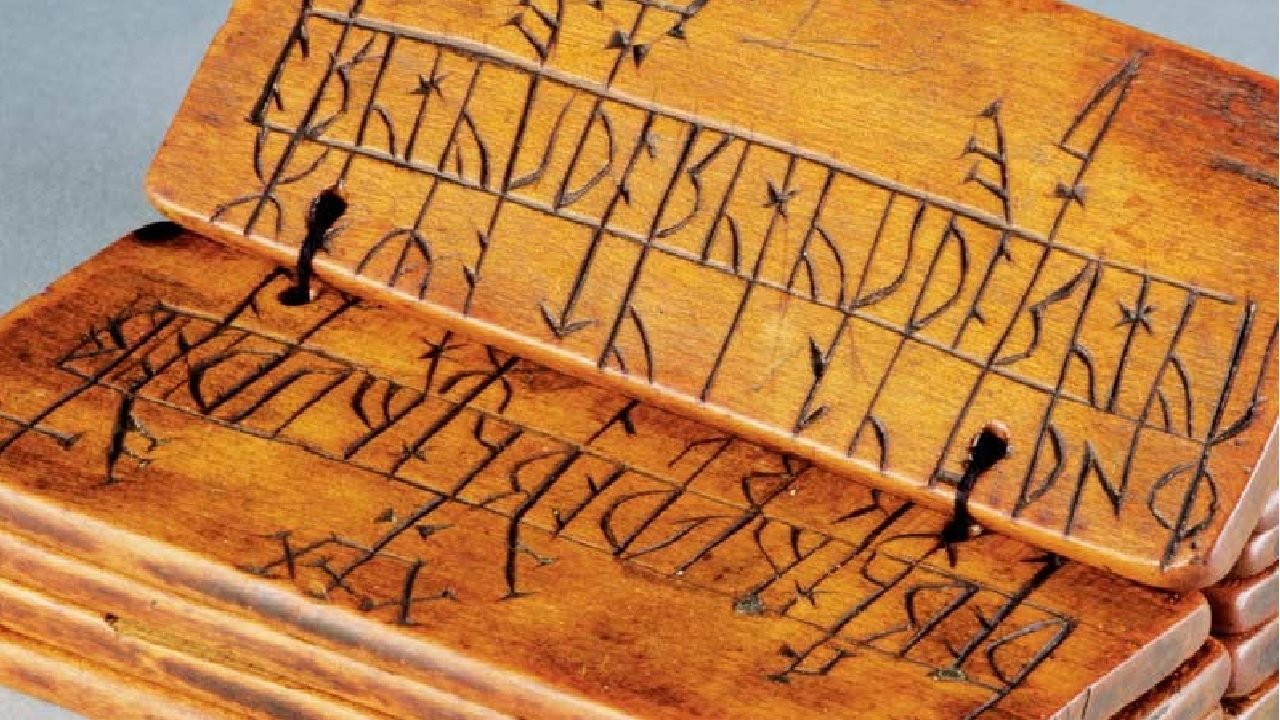
Writing and Civilization: From Ancient Worlds to Modernity Season 1 Episode 18 Mayan Glyphs--A New World Logosyllabary
- TV-PG
- September 27, 2013
- 30 min
In Season 1, Episode 18 of Writing and Civilization, titled Mayan Glyphs--A New World Logosyllabary, viewers are invited to embark on an enlightening journey into the fascinating world of Mayan writing, an intricate system that reflects the sophistication of one of the most advanced civilizations of the ancient Americas. The episode delves deep into the historical context, illustrating how the Mayan civilization developed its unique logosyllabary—an intriguing script that blends logograms and syllabic signs.
The episode opens with a panoramic view of the lush jungles of Central America, laying the groundwork for the exploration of the ancient Mayan cities, such as Tikal, Palenque, and Copán. These cities were not only architectural marvels but also cultural hubs where knowledge, art, and beliefs converged, shaping the identities of the Mayan people. Viewers will learn about the interplay between environment and culture, as the dense jungles both preserved and concealed numerous Mayan ruins, allowing for later archaeological discoveries.
Throughout the episode, experts in archaeology and epigraphy offer their insights into the evolution of Mayan writing. Through a combination of stunning visuals and expert commentary, the narrative guides viewers through the historical development of Mayan glyphs, tracing their origins back to the earliest inscriptions found on pottery and stone monuments. Illustrative charts and animations bring to life the logograms that represent whole words or concepts, alongside syllabic signs that form the backbone of the language. This duality in script reflects the complexities and nuances of Mayan thought.
The episode places a significant emphasis on the role of scribes in Mayan society. Viewers discover that these highly skilled individuals were responsible for recording everything from astronomical observations to historical events, religious rituals, and royal lineage. The portrayal of scribes not only highlights their importance in preserving culture but also offers a glimpse into the socio-political structures of the Maya. Interviews with contemporary scholars reveal how the work of these ancient scribes has been instrumental in understanding the political and religious dynamics of the civilization.
One of the focal points of the episode is the method of decipherment that scholars have employed to unlock the secrets of Mayan glyphs, a task that has spanned decades and continues to evolve. Viewers are introduced to the groundbreaking work of pioneering epigraphers who, through painstaking research and analysis, have begun to piece together the meanings behind the glyphs. The episode highlights key milestones in this field, documenting how advances in technology, comparative linguistics, and interdisciplinary collaboration have revolutionized our understanding of this once-mysterious script.
As the episode progresses, it delves into specific examples of Mayan texts, showcasing their varied themes and functions. From mythological narratives to poetic expressions, sacrificial rites, and calendrical calculations, the versatility of the logosyllabary is brought to light. The rich storytelling traditions encoded in these writings illustrate how the Maya differently conceptualized time, space, and the divine, offering modern viewers a window into the worldview of this ancient civilization.
The exploration of cultural significance does not stop at the inscriptions alone; the episode also addresses how each glyph is imbued with artistry and spirituality. The meticulous craftsmanship involved in carving these glyphs onto stelae and other monuments is acknowledged as a critical aspect of Mayan culture. Through high-resolution images and on-site footage, the episode captures the exquisite detail and aesthetic appeal of these ancient works, enhancing appreciation for the civilization's artistic legacy.
One of the most compelling segments of the show centers on the ongoing efforts to protect and conserve Mayan ruins and artifacts. With many sites still being discovered and studied, audiences learn about the challenges faced in preserving these delicate remnants of history. The episode highlights the collaboration between archaeologists, local communities, and international organizations to safeguard this cultural heritage for future generations.
The culmination of the episode invites reflection on the broader implications of Mayan writing within the context of global literacy and civilization. It challenges viewers to consider how writing systems, regardless of geographic origins, serve as a fundamental human endeavor that unites cultures while simultaneously showcasing their unique stories. The legacies of the Mayan logosyllabary remind us that literacy is not merely a tool for communication; it is an essential component of identity, history, and continuity.
Overall, Mayan Glyphs--A New World Logosyllabary stands as a captivating episode that combines history, archaeology, and linguistic study to illuminate the extraordinary achievements of the ancient Maya. It invites viewers to explore the depths of human expression through writing, challenging them to appreciate the intricate tapestry of civilizations that have shaped our understanding of the world.
