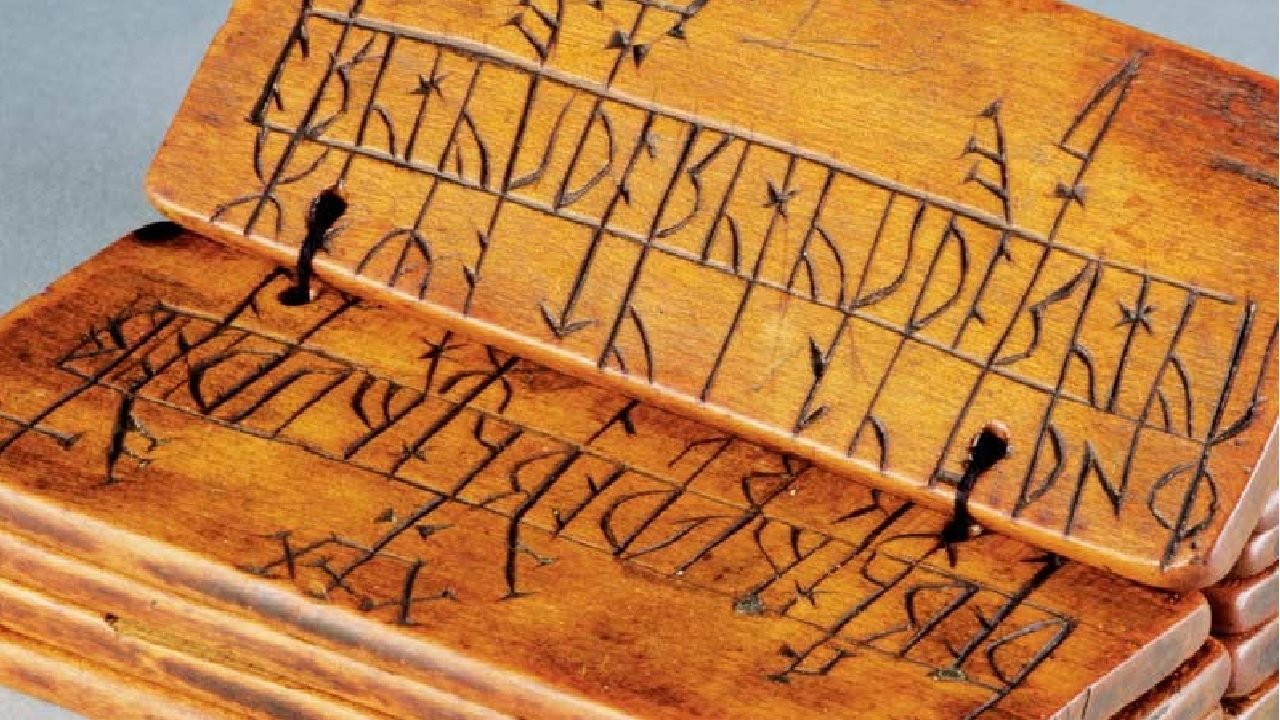
Writing and Civilization: From Ancient Worlds to Modernity Season 1 Episode 22 Han'gul, Tengwar, and Other Featural Scripts
- TV-PG
- September 27, 2013
- 30 min
In the captivating twenty-second episode of Writing and Civilization: From Ancient Worlds to Modernity, titled Han'gul, Tengwar, and Other Featural Scripts, viewers are invited to delve into the fascinating realm of featural scripts—an innovative category of writing systems that prioritize phonetic elements and structural efficiency. This episode serves as a profound exploration of how these unique scripts emerged and evolved, showcasing their cultural significance and the impact they have had on the societies that adopted them.
The episode begins by introducing the concept of featural scripts, which differ markedly from traditional alphabets and logographic systems. Here, the focus shifts to the intricate design principles that underlie these scripts, examining how they visually represent the fundamental sounds of spoken language. By breaking down sounds into their perceptible features, these writing systems not only enhance comprehension but also streamline the learning process for users. The audience is guided through the nuanced relationship between written symbols and spoken language, highlighting the cognitive aspects involved in reading and writing with featural scripts.
Throughout the episode, the spotlight is primarily on two pivotal examples: Han'gul, the writing system for the Korean language, and Tengwar, the script devised by J.R.R. Tolkien for his fictional Elvish languages in the world of Middle-earth. The episode meticulously unpacks the historical and cultural contexts of each script, tracing their origins and evolution over time.
Focusing on Han'gul, viewers learn about King Sejong the Great's groundbreaking initiative in the 15th century to create a writing system that was accessible to the common people. The principles of efficiency, systematic structure, and phonetic representation are thoroughly examined, revealing why Han'gul is often heralded as one of the most scientifically designed scripts in history. The episode highlights how Han'gul has not only facilitated literacy throughout Korea but has also fostered a distinct cultural identity by allowing Koreans to express themselves in their own language.
The discussion then transitions to Tengwar, exploring its unique position as a fictional writing system. The episode delves into J.R.R. Tolkien's background as philologist and his profound appreciation for languages—an aspect that profoundly influenced his creation of Tengwar. Through beautiful illustrations and animations, viewers are shown how Tolkien developed Tengwar’s letterforms, imbuing the script with aesthetic qualities and linguistic depth. This segment emphasizes not only the script’s practicality for written language but also its role in enriching the lore and culture of Tolkien's Middle-earth, weaving it intricately into the narratives of his literature.
In addition to these featured scripts, the episode broadens its scope to include other notable featural writing systems from various cultural backgrounds. Viewers will discover scripts such as Shinjitai, from Japanese, and other lesser-known featural writing systems that have influenced communication throughout history. Each example provides insight into the diverse ways societies have encountered the challenge of representing sounds visually, and the innovative methods they have developed in response.
Interspersed throughout the episode are interviews with linguists, historians, and calligraphers who offer expert perspectives on the significance of these featural scripts. Their insights illuminate the challenges of creating a new writing system, particularly in balancing aesthetic appeal with functional clarity. These discussions emphasize the serendipitous nature of linguistic evolution and the way that history has shaped the writing systems we use today.
The episode also thoughtfully engages with contemporary implications of featural scripts. As technology continues to transform the way we communicate, viewers are prompted to consider the relevance of these ancient systems in a digital age. The integration of featural scripts in modern technology, educational efforts to promote literacy, and the ongoing evolution of language all constitute pivotal themes in the latter part of the episode.
Throughout Han'gul, Tengwar, and Other Featural Scripts, audiences are treated to a rich visual experience, featuring stunning animations, historical artifacts, and expert commentary. The production brings to life the artistry and sophistication of these writing systems while inviting viewers to ponder how language and writing are not just tools for communication but also powerful cultural symbols that reflect the identities and histories of the people who use them.
As the episode draws to a close, viewers are left with a deeper appreciation for the complexity and beauty of featural scripts. It serves as a reminder of the ongoing journey of human expression through writing, highlighting how the interplay of language, culture, and technology continues to shape our world. With engaging content and a compelling narrative, this episode encapsulates the spirit of inquiry that defines Writing and Civilization: From Ancient Worlds to Modernity, inviting viewers to explore the profound connections between language and identity.
