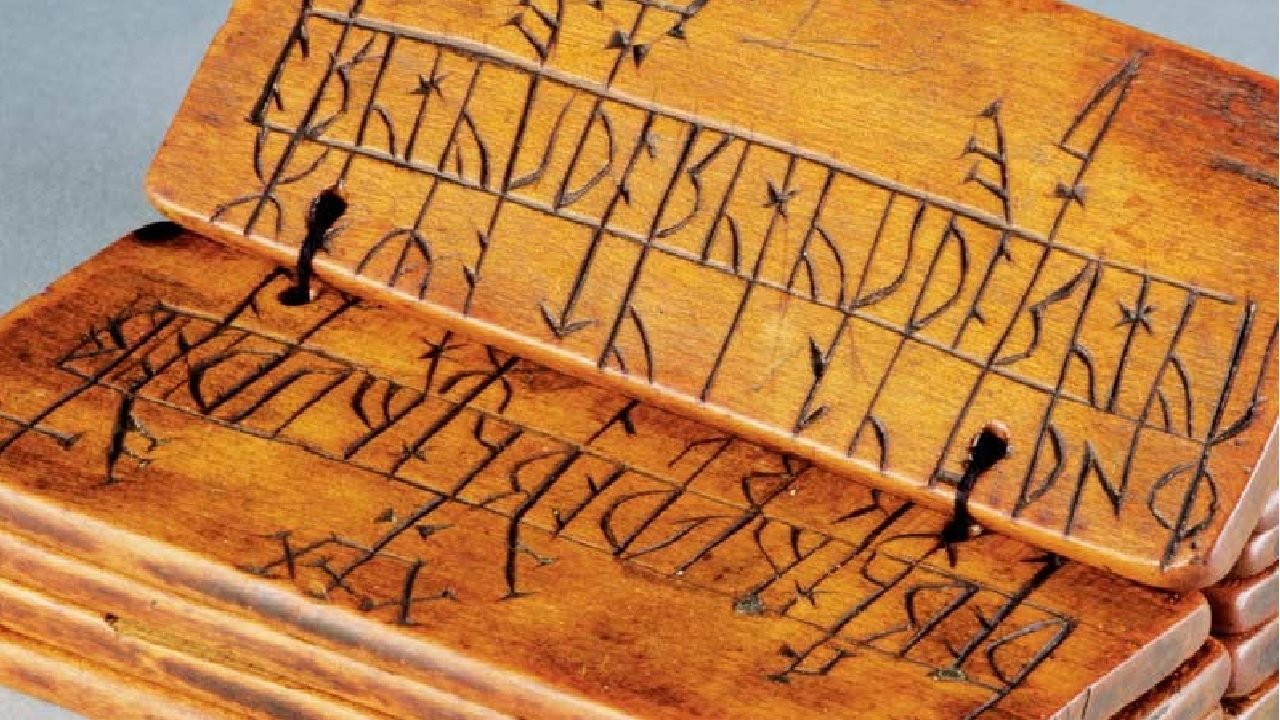
Writing and Civilization: From Ancient Worlds to Modernity Season 1 Episode 5 Chinese--A Logosyllabic Script
- TV-PG
- September 27, 2013
- 29 min
In the fifth episode of the groundbreaking series Writing and Civilization: From Ancient Worlds to Modernity, titled Chinese--A Logosyllabic Script, viewers embark on a captivating exploration of the unique characteristics and historical significance of the Chinese writing system. This episode delves into the intricacies of a script that has not only endured for thousands of years but has also evolved in complex and fascinating ways, reflecting the rich tapestry of Chinese culture and society.
The episode opens with a vivid portrayal of ancient China, grounding viewers in the context from which one of the world’s oldest writing systems emerged. Through stunning visuals and expert commentary, it traces the origins of Chinese characters back to the Shang dynasty and the oracle bones, where inscriptions served not only as a medium for communication but also as a means of divination and record-keeping. This segment sets the stage for an in-depth investigation into how early Chinese civilization developed a sophisticated system of writing that transcended mere phonetics to encapsulate ideas, meanings, and cultural concepts.
Throughout the episode, the show explores the distinctive nature of Chinese as a logosyllabic script—a writing system that represents meaningful units (logograms) combined with sound components (syllables). This duality sets Chinese apart from many other writing systems, revealing how characters can convey both sound and semantic information. Viewers gain insight into how this complexity impacts the way Chinese is written and read, offering a nuanced understanding of language that intertwines the visual and the aural.
Animation and diagrams come into play to illustrate the evolution of Chinese characters from their pictographic roots to the more abstract forms they take today. Scholars and linguists featured in the episode break down the stages of character development, showcasing how certain characters maintain a connection to their original meanings, while others have transformed drastically over time. Perspectives from calligraphers highlight the artistry and skill involved in writing Chinese characters, revealing how this ancient practice is both a revered art form and a functional method of communication.
The episode also tackles the concept of “hanzi,” the term for Chinese characters, and discusses the implications of a logographic system on literacy and education. It examines how the complexity of the characters can pose challenges for learners, particularly in non-native contexts. Yet, the segment also celebrates the unique beauty of traditional Chinese writing, emphasizing its role in preserving history, culture, and identity.
Transitioning into the modern era, the episode addresses the impact of globalization and technological advancements on the Chinese writing system. Viewers will discover how the advent of computers and smartphones has affected the way Chinese is written and accessed. Through careful examination of the digital adaptations of Chinese script—such as pinyin and character input methods—the episode reveals the balance between tradition and innovation that contemporary Chinese language practices embody.
Cultural reflections deepen the discussion as the episode highlights how writing shapes social interactions and influences literature, philosophy, and art within Chinese society. Various historical documents, literary masterpieces, and artworks that feature the Chinese characters are presented, revealing how they serve as powerful symbols of cultural identity and continuity.
Another captivating aspect includes exploring the spread of the Chinese writing system beyond mainland China. The episode highlights how Chinese characters have influenced other East Asian languages and writing systems, such as Japanese and Korean. Interviews with linguists specializing in comparative writing systems delve into the ways these relationships have shaped language use and cultural exchange throughout the region.
The episode concludes with a thought-provoking evaluation of the status of the Chinese writing system in today's world. As China takes a prominent place on the global stage, the enduring legacy of its writing system raises questions about cultural preservation and adaptability in an increasingly digital and interconnected environment. The show invites viewers to reflect on the implications of writing as a living practice—one that continues to evolve while remaining rooted in a rich historical context.
In summary, Chinese--A Logosyllabic Script offers a multifaceted exploration of the remarkable Chinese writing system. Viewers are treated to a visually stunning and intellectually stimulating experience that not only honors the historical significance of Chinese writing but also engages with its contemporary relevance, providing a comprehensive understanding of how this ancient script has shaped and continues to shape civilization. Whether you are a language enthusiast, a history buff, or simply curious about one of the world's most intriguing writing systems, this episode promises to illuminate the art and science behind Chinese characters.
