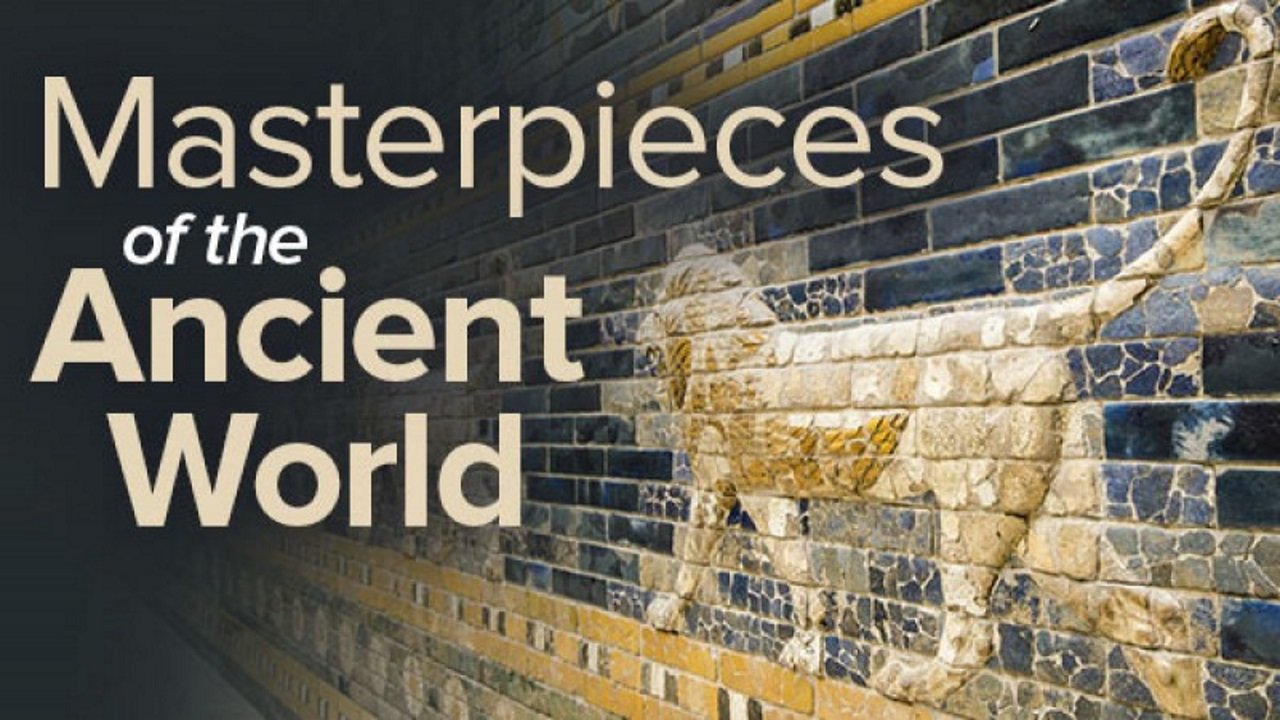
30 Masterpieces of the Ancient World Season 1 Episode 19 Greek Vase Painting-Death of Sarpedon
- TV-PG
- April 5, 2013
- 27 min
In the fascinating nineteenth episode of 30 Masterpieces of the Ancient World, titled Greek Vase Painting-Death of Sarpedon, viewers will delve into the rich cultural heritage of ancient Greece as they explore one of its most iconic artistic achievements: the depiction of mythological narratives on pottery. This episode centers around the exquisite "Death of Sarpedon" vase, a masterful work created by the renowned potter and painter Euphronios.
The episode begins by setting the stage within the historical and cultural landscape of ancient Greece, a civilization known for its profound contributions to art, philosophy, and politics. As the camera sweeps through stunning visuals of the Mediterranean, viewers are introduced to the vibrant world of Greek pottery, which served not only practical purposes but also acted as canvases for storytelling. The intricate designs etched into clay tell tales of gods, heroes, and everyday life, revealing the values and beliefs of the society that produced them.
The narrative then pivots to the compelling story of Sarpedon, a character from Homer’s "Iliad," a principal figure in the Trojan War. Sarpedon, a son of Zeus, becomes a central figure in this particular episode as the discussion unfolds around his fateful encounter on the battlefield. The exploration of his character serves as a lens through which we can examine themes of heroism, fate, and mortality—all of which resonate deeply in human experience. As ancient audiences were drawn to these elements, pottery functioned as a medium to explore and express complex emotional narratives, reflecting the human condition.
As the episode delves into the techniques employed by Euphronios, art historians provide in-depth analysis of the vase’s artistic elements. Viewers will learn about the distinctive red-figure technique, which allowed for more detailed and expressive imagery compared to earlier styles. Through a combination of scholarly insight and beautiful HD visuals, the episode highlights how Euphronios achieved a remarkable degree of realism and dynamism in his figures, breathing life into the mythological scene.
Throughout the episode, specialists discuss the various motifs and iconography present on the vase, analyzing how these elements convey the gravity of Sarpedon's death. The struggle between life and fate is portrayed through the vivid imagery, as the artists captured the poignant moment of Sarpedon's fall and the emotional gravitas surrounding it. This artistic choice opens discussions on the values of ancient Greek society, including honor, sacrifice, and the inevitable nature of death, inviting viewers to reflect on the timelessness of these themes.
Interviews with experts in ancient art provide additional context, exploring how Greek vase painting evolved over time and the impact of artistic innovation on storytelling. Viewers gain insight into the broader trends of the classical period, understanding how mythology and history intertwined to inspire generations of artists. These discussions help to contextualize the importance of Euphronios's work, illuminating its lasting influence on subsequent art forms, including sculpture and painting throughout antiquity and beyond.
As the episode progresses, it captivates the audience with an exploration of how the "Death of Sarpedon" vase transcended mere decoration but became a significant artifact in understanding the ancient Greek mindset. The portrayal of heroes, such as Sarpedon, grappling with their destinies sheds light on the cultural reverence for valor, fate, and the pursuit of memory through art. The vase itself emerges as not just an object of beauty but a testament to the storytelling prowess that ancient Greeks valued so highly.
Moreover, the episode invites viewers to appreciate the craftsmanship involved in creating these vases. Detailed scenes demonstrate the meticulous processes—from the selection of the clay to the careful firing techniques—that ancient artisans employed to produce such works. This behind-the-scenes perspective serves to enhance appreciation for the skill and dedication required to bring these masterpieces to life.
As "Greek Vase Painting-Death of Sarpedon" draws to a close, the episode poses thought-provoking reflections on the enduring legacy of Greek art. The discussion encourages viewers to consider how ancient narratives continue to resonate in contemporary culture and how they inspire modern interpretations and artistic expressions. Ultimately, this episode of 30 Masterpieces of the Ancient World serves not only as an appreciation of an extraordinary work of art but as a celebration of the power of storytelling through visual mediums that bridges the past with the present. Viewers are left with a deeper understanding of both the historical significance of ancient Greek pottery and the universal themes that unite humanity across time and space.
