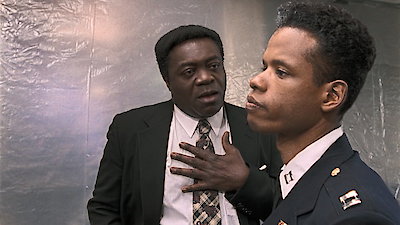
Homicide: Life on the Street Season 1 Episode 8 Smoke Gets in Your Eyes
- March 24, 1993
- 46 min
-
7.8 (292)
Homicide: Life on the Street season 1 episode 8, titled Smoke Gets in Your Eyes, dives deep into the gritty realities faced by Baltimore's homicide detectives as they navigate the complexities of crime, personal struggles, and the impact of the cases on their lives. The episode is a masterful blend of intense drama, character development, and the somber themes of loss and remorse that permeate through the urban landscape.
As the story unfolds, viewers are introduced to a high-profile case that hits close to home for the detectives of the Baltimore Police Department’s Homicide Unit. The episode begins with the discovery of a body, setting off a chain of events that forces the team to confront not only the details of the crime but also their own emotional responses to the violence in their city. The title, Smoke Gets in Your Eyes, evokes the often blinding effect of grief and tragedy, highlighting how the detectives' work can overshadow their personal lives and relationships.
Throughout the episode, the narrative focuses on a multi-faceted investigation that challenges the detectives both professionally and personally. The team utilizes their traditional street smarts, instinct, and rapport with the community to gather leads and uncover the truth behind the murder. Along the way, the detectives learn poignant lessons about duty, morality, and the weight of human life.
The viewer is immersed in the contrasting dynamics within the Homicide Unit. Each detective brings their own experience and attitude to the table, creating a rich tapestry of personalities. This episode particularly shines in showcasing the camaraderie and tension that exists among them. As they sift through evidence and interrogate witnesses, the audience witnesses both the bonds forged in the heat of investigation and the emotional strains that arise when confronting the harsh realities of their work.
One of the episode's central themes is the impact of loss on both the victims' families and the detectives. The show does not shy away from the heart-wrenching effects that homicide cases have on the community, often prompting intimate reflections from the characters. The emotional toll is palpable, as the detectives grapple with their own beliefs about justice and their capacity to effect change in a seemingly never-ending cycle of violence.
Interwoven with the primary case are moments that illustrate the detectives' personal lives, offering glimpses into their backgrounds and motivations. These interludes make the officers more than just participants in the investigation; they are presented as fully realized individuals grappling with their own demons. This depth of character is a hallmark of the series, propelling the narrative beyond mere procedural elements and allowing for a deeper connection with the audience.
The writing in Smoke Gets in Your Eyes is sharp and poignant, infused with the rawness of the streets it portrays. Dialogue is laden with subtext, revealing the inner conflicts and steadfast resolve of the detectives as they reflect on their paths and the choices they’ve made. The cinematography and pacing of the episode enhance its emotional resonance, creating an atmosphere that feels charged with tension and urgency.
As the episode progresses, the detectives find themselves not only hunting for a killer but also confronting their own feelings of hopelessness and despair in the face of urban violence. The ending promises a haunting reminder of the impermanence of life and the scars left behind by tragedy, ensuring the audience is left contemplating the broader implications of the story long after the credits roll.
Smoke Gets in Your Eyes represents a turning point in the season as it encapsulates the primary themes of Homicide: Life on the Street—struggle, accountability, and the search for truth in a complex and often unforgiving world. This episode is a compelling exploration of the lives affected by crime, making it not only a gripping piece of television but also a stark commentary on society's ills. As the detectives continue their pursuit of justice, they reflect the ambiguity of right and wrong, leaving audiences with a powerful contemplation of life, loss, and what it truly means to seek justice in an imperfect world.
