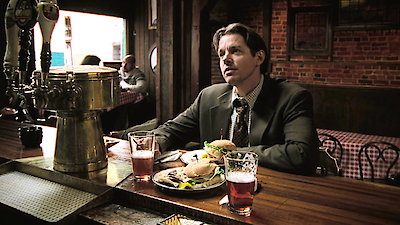
Homicide: Life on the Street Season 3 Episode 15 Law & Disorder
- February 24, 1995
- 48 min
-
(150)
In the gripping episode titled Law & Disorder from Season 3 of Homicide: Life on the Street, the series continues to explore the complex interplay between law enforcement and the criminal justice system, while diving deep into the lives of the detectives of Baltimore's Homicide Unit. This episode intricately weaves together themes of morality, ethics, and the burdens carried by those who are sworn to protect and serve.
As the episode opens, the detectives are faced with a disturbing homicide case that poses not just a challenge in terms of solving the crime, but also raises uncomfortable questions about their role in the system. The narrative quickly establishes a tense atmosphere, showcasing the detectives' relentless pursuit of justice while grappling with the pressures and limitations imposed by the legal framework within which they operate.
The plot unfolds as Detective Frank Pembleton, known for his tenacity and unwavering commitment to the truth, takes the lead on the investigation. His confrontational style often brings to light the moral ambiguities inherent in policing, and this episode is no exception. As he delves deeper into the investigation, he must contend with conflicting testimonies and a slew of bureaucratic red tape that threaten to obstruct the pursuit of justice. Pembleton's powerful interrogations reveal not just the dark sides of the suspects, but also highlight how the influence of the law can shape the narrative surrounding crime.
Detective Tim Bayliss, Pembleton's partner, navigates an emotional landscape as he grapples with personal doubts about the effectiveness of the justice system. Bayliss has always been portrayed as the more empathetic of the two partners, and in this episode, his interactions with victims' families delve into the psychological toll that violent crime takes on individuals and communities. His compassionate approach is juxtaposed with Pembleton's more abrasive methods, creating a dynamic that adds depth to their partnership.
While the case at hand spirals forward, the episode also gives time to explore the lives of the detectives outside of their work. The personal stories reveal the strains that a career in homicide investigation can place on relationships, mental health, and one’s sense of morality. This human element is a hallmark of Homicide: Life on the Street, and Law & Disorder effectively highlights how the effects of crime extend far beyond the immediate victims to touch the lives of the investigators themselves.
Tension mounts as the detectives face resistance from various quarters, including legal advisors and community leaders who question their methods and motivations. The show does an exceptional job of portraying the frustration that law enforcement often feels when confronted with constraints that limit their ability to act decisively. The episode provides a thought-provoking examination of the thin line that officers walk between enforcing the law and adhering to the ethical standards of their profession.
In addition to Pembleton and Bayliss, the episode features the rest of the team, showcasing how each detective contributes uniquely to the investigation. Their varied perspectives offer a multifaceted view of the case, reflecting the ensemble nature of the series. The scenes are deliberately paced, allowing viewers to drink in the dialogue-heavy exchanges that characterize the show and provide insight into the minds of those deeply impacted by their work.
As the investigation continues, viewers are treated to the trademark witty banter and sharp dialogue that have come to be expected from the series, adding moments of levity that balance the overall darker themes. The interpersonal dynamics within the squad not only serve to build camaraderie but also highlight the ethical dilemmas they face on a daily basis, making the episode feel not only thrilling but also emotionally resonant.
Law & Disorder invites viewers to consider the implications of the criminal justice system, raising critical questions about accountability, justice, and the sometimes flawed relationship between law enforcement and the communities they serve. As the detectives inch closer to uncovering the truth, the episode promises to engage audiences in the ongoing dialogue about right and wrong in a world where law and disorder often coexist in a precarious balance.
Ultimately, this episode encapsulates the core essence of Homicide: Life on the Street — that beneath each crime is a story, and behind each story are lives forever altered. Viewers are left with a sense of anticipation as the detectives work tirelessly, knowing that in the world of homicide investigation, every answer leads to more questions, and the quest for justice is seldom straightforward.
