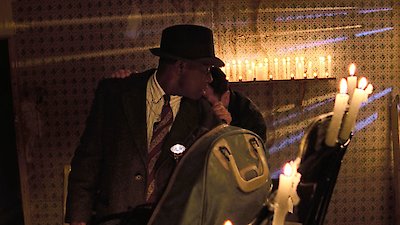
Homicide: Life on the Street Season 3 Episode 20 The Gas Man
- May 5, 1995
- 48 min
-
(225)
In the gripping episode titled The Gas Man from season 3 of Homicide: Life on the Street, the city of Baltimore is once again shrouded in the dark underbelly of crime, compelling the detectives of the Homicide Unit to confront both external threats and their personal demons. As the investigation unfolds, the episode offers a thought-provoking exploration of morality and the complexities of human nature.
The episode begins with the discovery of a bizarre murder, setting a tone of urgency that pulls the viewer in from the very first scene. A man's lifeless body is found in a particularly distressing state, raising questions that haunt the detectives as they delve into the intricacies of the crime. The investigation leads the team through a series of interconnected stories, each woven with their own tension and moral quandaries.
Central to this episode is the character of Detective Frank Pembleton, portrayed with intensity and vulnerability by Andre Braugher. Frank is not only dealing with the weight of this case but also grappling with personal issues that have begun to surface. His relentless drive for justice pushes him to examine the motivations behind the violence he encounters, forcing him to confront ethical dilemmas that challenge his worldview and sense of self.
As the detectives gather evidence and piece together the fragmented story surrounding the victim, they engage in a series of interviews that highlight the struggles of the community they serve. Each individual they question reveals a facet of the larger narrative, shedding light on the socio-economic issues that perpetuate crime in Baltimore. The portrayal of these interactions is meticulous, showcasing David Simon’s keen eye for realism. It allows the audience to not only witness the hard work of the detectives but also to experience the profound impact of urban decay on human lives.
Detective Bayliss, played by Kyle Secor, is also faced with inner turmoil throughout the investigation. His eagerness to prove himself often clashes with his moral compass, leading to an emotional arc that adds depth to his character. As he interacts with various witnesses, they challenge his preconceived notions, and viewers can see him grappling with the concept of good versus evil. This character-driven approach sets The Gas Man apart, making it not just a crime procedural but also a poignant character study.
The pacing of the episode is well-crafted, skillfully balancing moments of tension with quieter scenes of reflection. The writers expertly use pacing to build suspense, culminating in an investigative process that feels both authentic and enthralling. The audience is led through a labyrinth of leads, red herrings, and unexpected twists that keep them on the edge of their seats, eager to see how the detectives will unravel the truth.
Visual storytelling plays a significant role in this episode, with cinematography that captures the gritty essence of Baltimore. The streets, with their worn-out facades, reflect the struggles of the characters within them. The interplay of light and shadow amplifies the themes of the episode—an ever-present dichotomy between hope and despair, love and betrayal, clarity and confusion.
Musical choices further enhance the emotional landscape of The Gas Man. The score subtly underscores the weight of the narrative, evoking feelings of tension and melancholy without overwhelming the action. It complements the scenes beautifully, heightening the stakes as the detectives inch closer to uncovering the realities behind the homicide.
As the investigation heats up, the pressure mounts not only from the community that demands justice but also from within the precinct itself. The dynamics among the detectives come into sharper focus, with moments of camaraderie juxtaposed against simmering tensions. The cracks in their facade of professionalism begin to show, revealing the impact of the relentless nature of their jobs on their personal lives.
Throughout The Gas Man, viewers are invited to reflect on the consequences of violence and the thin line between right and wrong. The case poses challenging questions about culpability and redemption, encouraging the audience to ponder the deeper societal issues at play. This episode does not shy away from the challenges faced by law enforcement in addressing the root causes of crime, ultimately offering no easy answers.
In sum, The Gas Man is a compelling episode that stands out in the canon of Homicide: Life on the Street. With its rich character development, poignant exploration of moral ambiguity, and masterful storytelling, it intertwines detective work with profound psychological and societal discussions. As the detectives go about their investigation, they not only seek answers but also grapple with their own beliefs and humanity—a theme that resonates deeply throughout the series.
