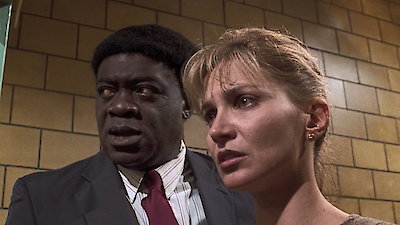
Homicide: Life on the Street Season 3 Episode 3 Extreme Unction
- October 28, 1994
- 48 min
-
(164)
In the gripping episode titled Extreme Unction from season 3 of Homicide: Life on the Street, the narrative dives deep into the complex interplay between life, death, and the burdens borne by those who seek justice. As the title suggests, the themes of morality and redemption are intricately woven into the plot, pushing the detectives to confront their own beliefs and choices in the face of human suffering.
The episode begins with the Baltimore Police Department's Homicide Unit grappling with a new murder case that serves as a catalyst for introspection among the squad. The crime scene is visceral and haunting, bringing to light the stark realities of violence in the city. The detectives quickly realize that this particular case not only tests their skills as investigators but also their emotional resilience and philosophical outlook on justice and mercy.
As the team members delve into their investigation, they are met with a series of challenging obstacles. The victim's background reveals connections to questionable activities and a web of relationships that complicate the case. Each lead they pursue presents new moral dilemmas that force them to weigh their personal values against their professional duties. This highlights the show’s hallmark of blending crime-solving with profound character exploration.
Detective Frank Pembleton, known for his intense commitment to uncovering the truth, finds himself at a crossroads. His interactions with witnesses and suspects reveal the human stories beneath the crime, compelling him to question the motivations behind people’s actions. As the investigation unfolds, Pembleton confronts the raw emotions tied to grief, guilt, and forgiveness, which echo throughout the episode’s narrative.
Simultaneously, Detective Bayliss grapples with his own existential thoughts as he becomes more entwined in the lives affected by the murder. His character growth is emphasized as he reflects on what it means to provide closure to the loved ones left behind. The detectives’ relationships with one another are also tested as they confront the harsh realities of their work. The camaraderie and tension within the unit provide rich emotional layers, showcasing the professionals’ human sides and their struggles to maintain their own mental health while facing the grim realities of homicide investigations.
The episode also touches on issues of faith and redemption, as the title suggests. Throughout their investigation, characters are forced to face their past actions and consider what redemption means in a world filled with pain and suffering. This spiritual undertone permeates the episode, inviting viewers to ponder the meaning of life and death, and how they intersect with the moral responsibilities of law enforcement.
Additionally, themes of grief and loss manifest powerfully within the narrative. As each character processes their reactions to the crime, the audience gains insight into the lingering effects of violence on the community and the police force. The show masterfully balances the harsh realities of homicide with the emotional weight carried by both victims and those tasked with seeking justice on their behalf.
The complexities of the case reflect the broader societal challenges that the detectives face, highlighting systemic issues while maintaining focus on the personal struggles of the characters. The writers expertly weave together the procedural elements with character-driven stories, ensuring that each scene resonates with emotional depth and gravity.
As the investigation reaches its climax, the detectives confront a decision that could alter the trajectory of the case and their own lives. The episode poses challenging questions regarding duty, justice, and the implications of their choices on the lives of others. As they strive to untangle the convoluted threads of the case, viewers are treated to a compelling examination of what it means to seek the truth, while reflecting on their own values and beliefs.
Extreme Unction encapsulates the essence of Homicide: Life on the Street, delivering a narrative that is poignant, thought-provoking, and emotionally charged. With its haunting exploration of life’s fragility and the intricate web of human experiences, this episode stands as a testament to the show’s enduring legacy of storytelling that transcends the boundaries of conventional crime dramas. Ultimately, it challenges viewers to reflect on their perceptions of justice, morality, and the complexities of human nature.
