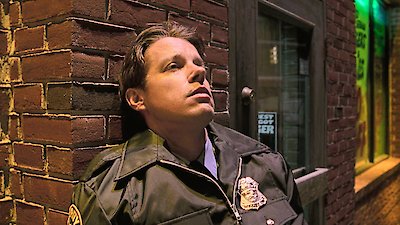
Homicide: Life on the Street Season 3 Episode 5 Happy to Be Here
- November 18, 1994
- 48 min
-
7.4 (205)
In the fifth episode of season 3 of Homicide: Life on the Street, titled Happy to Be Here, the Baltimore homicide unit delves into the complexities of urban life and the multifaceted nature of crime as they navigate the aftermath of a recent murder that shakes the local community. This episode continues to explore the intense, character-driven storytelling that defines the series, offering viewers an intimate look at the lives of the detectives tasked with solving some of the city's most challenging cases.
As the episode unfolds, the detectives are presented with a perplexing murder that takes place in a seemingly safe neighborhood, challenging their preconceived notions about crime and violence. The victim, a young man with a promising future, leaves behind a grieving family and a community searching for answers. This storyline not only highlights the detectives' professional dedication but also exposes the personal toll that homicide investigations can take on their lives.
The atmosphere in the precinct is tense as Detective Jimmy McNulty grapples with his own demons while seeking justice for the victim. His struggles with addiction and a strained personal life become more pronounced, affecting his work and relationships with fellow detectives. McNulty’s often-unconventional methods and candid nature shine through as he partners with Detective Kima Greggs, whose steadfast commitment to uncovering the truth complements McNulty's more impulsive tendencies.
Detective Greggs takes a prominent role in this episode, showcasing her skills as she interviews witnesses and works tirelessly to piece together the victim's last moments. Her experiences as a woman of color in a male-dominated profession provide a lens through which the audience gains insight into the systemic challenges faced by law enforcement in urban settings. Her determination and resilience become a focal point in the episode, illustrating the emotional weight that comes with each case.
Meanwhile, Detective Frank Pembleton engages in philosophical discussions with his partner, Detective Tim Bayliss, reflecting on the nature of good and evil in their work. Pembleton’s analytical approach contrasts sharply with Bayliss's more empathetic perspective, creating a compelling dynamic that challenges both detectives to rethink their methods and attitudes. These moments of introspection add a layer of depth to the narrative, allowing viewers to engage with the moral dilemmas that often accompany police work.
As the investigation progresses, the detectives confront a series of leads that take them deeper into the victim's personal life, revealing the complex web of relationships and struggles he faced. They encounter various characters who paint a picture of the victim as a beloved friend, a hardworking student, and ultimately, a casualty of his environment. This exploration into the victim's life contrasts with the darker realities of the neighborhoods they patrol, highlighting the tragic intersections of hope and despair inherent in their cases.
The episode also touches on the tension between the police and the community they serve, a recurring theme in the series. As parents and friends gather to mourn the loss, the detectives must navigate the growing frustration of the community, who feel that their concerns are often overlooked. The detectives' efforts to build trust and rapport while seeking justice come under strain, as they encounter resistance and defiance from those who are disillusioned with law enforcement. This exploration deepens the narrative stakes, forcing the characters to confront their own biases and assumptions about the populace they serve.
Visually, the episode maintains the series' gritty realism, with scenes shot in raw, unfiltered environments that capture the essence of Baltimore's neighborhoods. The cinematography complements the story’s emotional weight, accentuating moments of tension and vulnerability.
As the episode reaches its climax, the characters' arcs coalesce, resulting in poignant moments of connection, reflection, and renewal. "Happy to Be Here" ultimately serves as a meditation on the fragility of life and the bonds that tie people together in the face of adversity. The detectives' pursuit of justice drives the narrative, but it is their personal journeys and interactions that leave a lasting impact, reminding viewers of the humanity behind the badge.
Through expertly crafted storytelling and unforgettable performances, Homicide: Life on the Street continues to delve into the heart of crime and community, pulling viewers into the complex tapestry of life on the streets of Baltimore, where every case tells a story and every victim is remembered.
