The Sixties Season 1 Episode 9 The Times, They are A-Changin� (1960 � 1969)
- TVPG
- August 7, 2014
- 42 min
The Times, They are A-Changin’ focuses on one of the most transformative decades in American history—an era marked by revolutionary social, political, and cultural movements that reshaped the very fabric of society. As the 1960s unfold, the episode captures the essence of change that permeated throughout the nation, highlighting the voices that rose up to advocate for civil rights, countercultural movements, and anti-establishment sentiments.
The episode begins by setting the stage in the late 1950s, where the seeds of change are starting to flourish against a backdrop of prosperity, conformity, and the lingering tensions of the Cold War. It explores the prevailing ideals of the era, depicting how the post-war boom inspired a sense of optimism while simultaneously sowing discontent among youth who yearn for individuality and social justice. Viewers are drawn into the emotional landscape of a generation caught in the push and pull of tradition and progress.
Through extensive archival footage and insightful commentary from historians, activists, and those who lived through these pivotal moments, the episode delves into significant events that define this transformative period. The Civil Rights Movement takes center stage, as courageous individuals and organizations embark on a quest for equality and justice. The chronological journey through the decade tracks key moments such as the Freedom Rides, the March on Washington, and the tragic events surrounding the assassination of prominent leaders, offering a deep and nuanced view of the struggle against racial discrimination.
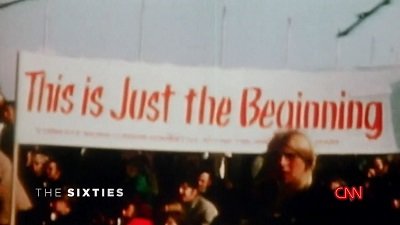
In parallel, the episode examines the parallel rise of the anti-war movement during the latter half of the decade. As the Vietnam War escalates, many Americans, particularly the youth, begin to question the government’s policies and the morality of U.S. involvement abroad. The protest movements gain momentum, leading to iconic demonstrations and the powerful voice of dissent emerging from college campuses. Incidents such as the Tet Offensive in 1968 further ignite public outcry, leading to a societal rift that redefines the American consciousness.
The cultural revolution of the 1960s is also explored, capturing the spirit of experimentation and the quest for personal freedom. From the rise of rock and roll music, which becomes the anthem of a generation, to the countercultural movements inspired by figures like Timothy Leary and the ethos of peace and love, the episode illustrates how music and art became vehicles for social change. Festivals like Woodstock serve as cultural milestones, embodying the ideals of the burgeoning hippie movement while reflecting the tensions and struggles of a generation seeking to redefine personal and societal norms.
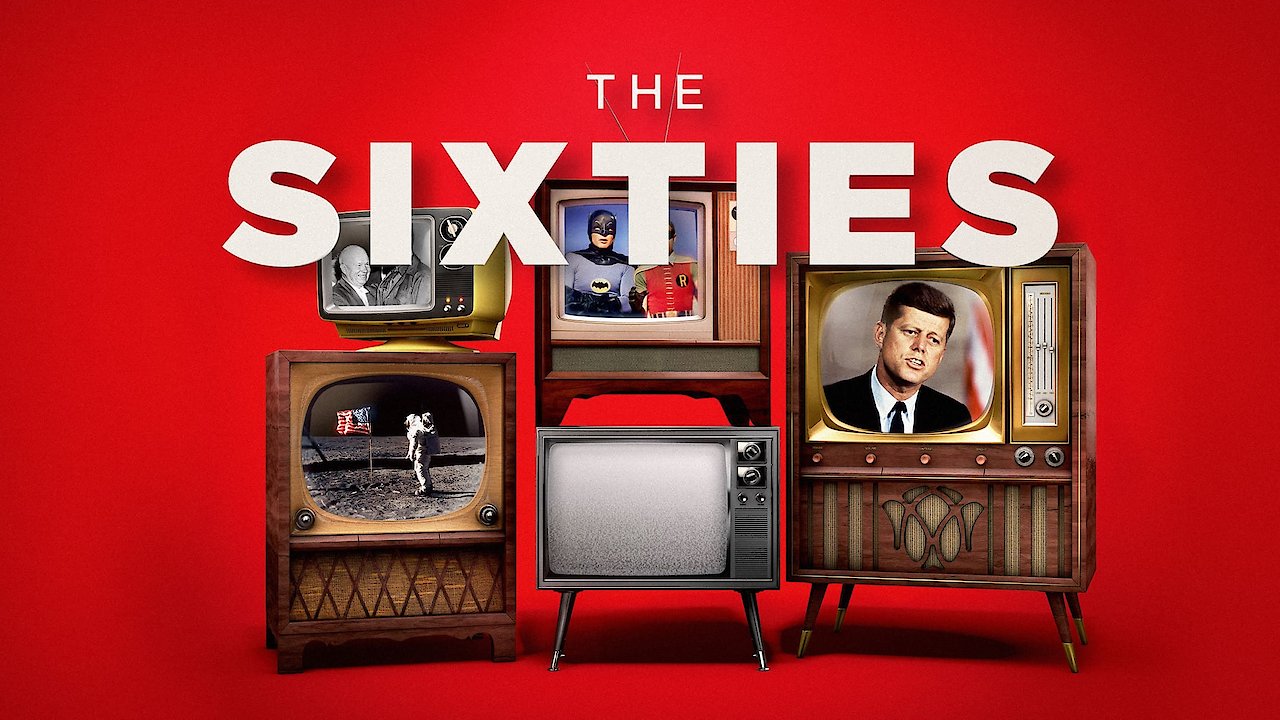
In addition, the episode touches upon the impact of technology and media on shaping public perception and mobilizing activism. The advent of television as a dominant medium captures the hearts and minds of the nation, bringing images of civil rights protests and anti-war marches directly into living rooms. The use of media becomes increasingly crucial in galvanizing support for various movements and creating a sense of urgency around issues that demand attention.
The Times, They are A-Changin’ artfully balances the gravity of political and social struggles with lighter, culturally significant moments from the decade. It encapsulates the early days of the feminist movement, highlighting the calls for gender equality that began to gain traction alongside civil rights activism. The episode reflects on how ideas of freedom, self-expression, and identity became intertwined, encouraging viewers to contemplate the broad spectrum of social justice efforts that emerged in this era.
As the decade nears its conclusion, the show captures the heightened sense of urgency and radicalization felt by many Americans, culminating in a stark realization—change is not only possible; it is necessary. The episode draws on a multitude of voices, representing the diverse experiences of those who were part of this remarkable decade, fostering an environment ripe for conversations about rights, responsibilities, and the values that define a nation.
The Times, They are A-Changin’ wraps up with a poignant reflection on the imprint the 1960s left on contemporary America. It emphasizes that while the decade was fraught with division and conflict, it also gave rise to hope, resilience, and a renewed commitment to pursuing justice and equality. This episode serves as both a historical chronicle and a reminder that the desire for change is a powerful force that reverberates through time, inspiring future generations to continue the struggle for a more just and equitable world.