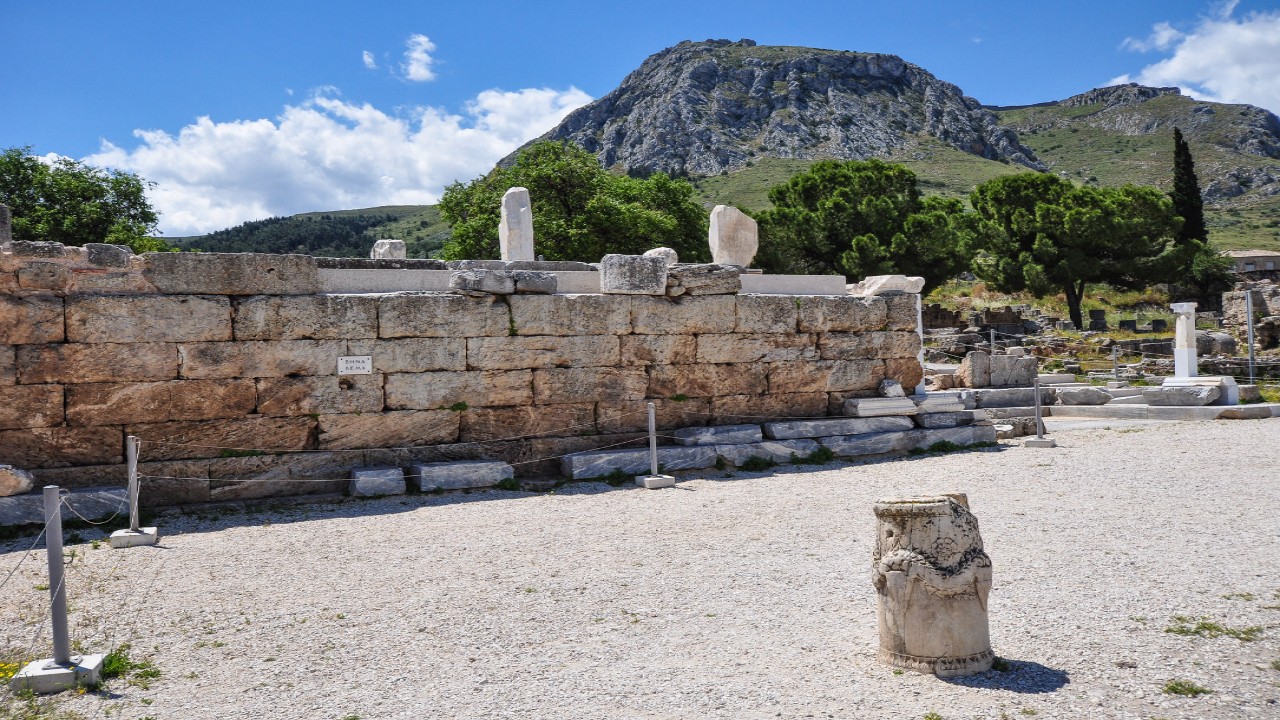
Understanding Greek and Roman Technology: From Catapult to the Pantheon Season 1 Episode 8 The Genesis of a New Imperial Architecture
- TV-PG
- December 13, 2013
- 35 min
In the eighth episode of Understanding Greek and Roman Technology: From Catapult to the Pantheon, titled The Genesis of a New Imperial Architecture, viewers are invited on an engaging exploration into the transformative period of architectural innovation during the Roman Empire. This episode delves into the dramatic shifts that occurred as Rome transitioned from a collection of city-states into a formidable empire that would leave an indelible mark on the architectural landscape of the ancient world.
The narrative begins by setting the stage in the early centuries of Roman civilization when traditional styles inspired largely by Etruscan and Greek influences dominated the architectural scene. Fundamental to the episode is the examination of how these early influences laid the groundwork for a distinct Roman architectural identity. Viewers will encounter the principles of symmetry, proportion, and harmony that defined Greek architecture and how these principles were interwoven with indigenous building methods and materials to create something uniquely Roman.
As the episode progresses, it dives into the factors that inspired the innovations of a new architectural aesthetic that would come to symbolize the power and reach of the Roman Empire. This period saw the introduction of monumental structures designed to reflect imperial authority and serve the practical needs of an expanding population. The show highlights key technological advancements, such as the use of the arch, the vault, and concrete, which enabled the construction of monumental buildings that were previously unimaginable. These innovations facilitated the creation of vast public spaces, intricate aqueducts, and durable structures, allowing architecture to serve both civic pride and administrative functions.
One of the standout features of this episode is the focus on specific case studies of significant structures that epitomized this new architectural language. The program takes viewers inside the iconic Roman Forum, examining how its design and layout exemplified the synthesis of traditional and innovative architectural elements. Through vibrant imagery and expert commentary, the audience is given a behind-the-scenes look at the planning, execution, and function of these structures, revealing the communal and political significance they held in Roman society.
As new architectural forms emerged, the episode reveals the impact of various emperors and their personal visions on architectural development. By profiling influential leaders such as Augustus, Nero, and Trajan, the show illuminates the interplay between politics and architecture, showcasing how emperors utilized grand buildings to convey messages of power, stability, and divine favor. The narrative underscores the role of patronage in shaping Rome’s architectural identity, as emperors commissioned ambitious projects that celebrated both Roman achievements and their own legacies.
Furthermore, The Genesis of a New Imperial Architecture examines the role of architects and engineers in the realization of these grand designs. The episode emphasizes the collaborative efforts of skilled laborers who applied ancient building techniques alongside new innovations, creating structures that would stand the test of time. Interviews with historians and architectural experts offer insights into the training and expertise of architects in ancient Rome, drawing parallels between their craftsmanship and the modern-day understanding of engineering and design.
The episode also touches upon the cultural exchanges that took place as the Roman Empire expanded its reaches. As the empire came into contact with various cultures, from Egypt to Gaul, the technology and aesthetics of these civilizations began to influence Roman architecture. This blending of styles fostered a rich diversity in building designs, contributing to the evolution of a distinct architectural vocabulary that could accommodate the empire's vast and varied constituent populations.
In addition, the show unveils the significance of urban planning during this period, discussing how the Romans approached the layout of cities and the integration of monumental architecture into everyday life. From coliseums that showcased entertainment to basilicas that served administrative functions, each building played a crucial role in the social and cultural life of the Roman citizenry.
Throughout the episode, viewers will encounter the lasting legacy of Roman architectural innovation. The foundations laid during this period not only influenced later architectural movements in the medieval era and the Renaissance but continue to be echoed in contemporary architecture. By the episode's conclusion, audiences gain a deeper appreciation for how the Romans harnessed technology and vision to create structures that were both aesthetically pleasing and reflective of their imperial ambitions.
With stunning visual reconstructions and expert insights, The Genesis of a New Imperial Architecture serves as a compelling tribute to the ingenuity of Roman architects and the enduring significance of their contributions to the world of design and construction. This episode ultimately invites viewers to reflect on how the echoes of ancient Rome remain present in today’s global architectural landscape, encouraging a dialogue between the past and the future of construction and design.
