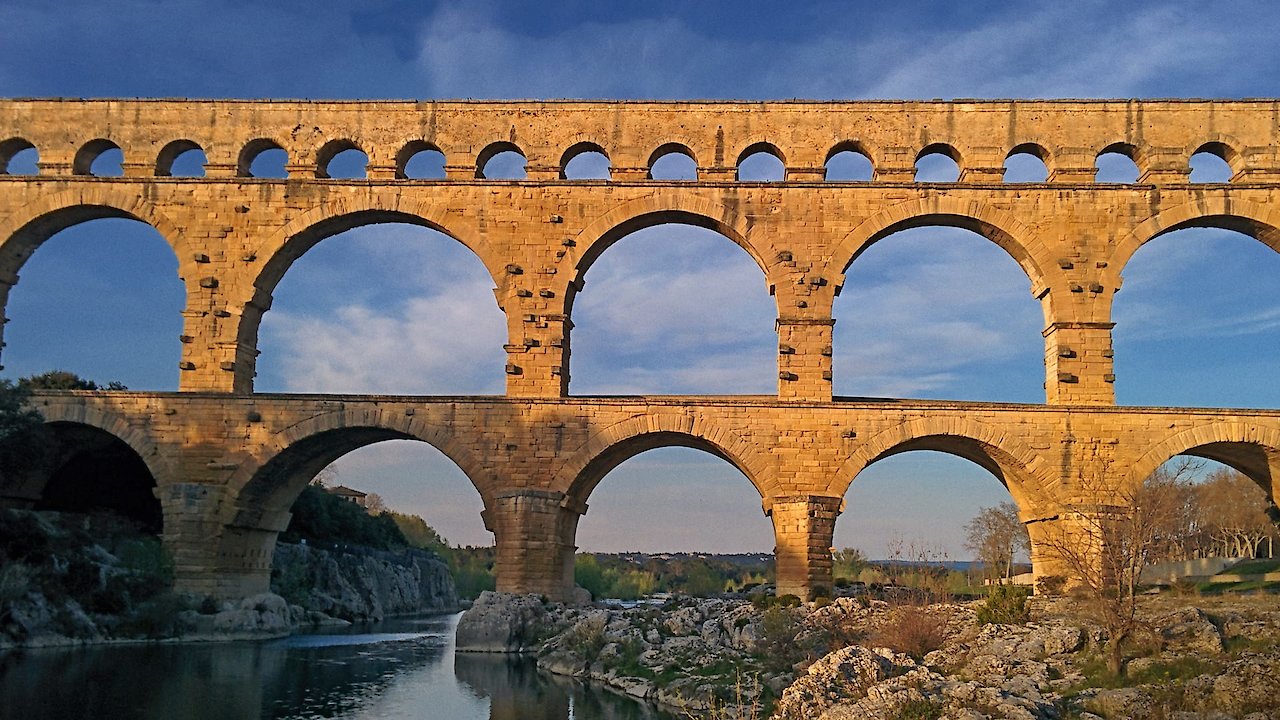
Ancient Impossible Season 1 Episode 3 Monster Monuments
- TVPG
- July 13, 2014
- 41 min
-
7.4 (24)
In the third episode of Ancient Impossible season 1, titled "Monster Monuments", the focus is on the incredible architectural feats of humanity's ancestors and the impressive structures that they created. The episode delves into the intriguing question of how ancient peoples were able to construct some of the largest and most awe-inspiring buildings ever seen, like the pyramids of Egypt and the Great Wall of China.
The episode opens with a look at the engineering that went into the construction of the pyramids. The narrator explains how the ancient Egyptians perfected the art of quarrying huge stones, and shows how they transported the massive blocks from the quarries to the construction site. He also explores the precision involved in the placement of the blocks, highlighting the accuracy of the angles and measurements used in the pyramids.
Next, viewers are taken to the largest and most complex fortress ever built, called Masada. The episode explains how this ancient fortress in Israel was constructed to be virtually impregnable, and how its location was carefully selected to provide a tactical advantage over any potential attackers. The show also delves into the incredible engineering involved in the creation of the massive ramp that was built to breach the fortress walls.
From there, the episode takes viewers to the ancient Greek island of Rhodes, where the Colossus of Rhodes once stood. While the Colossus is no longer standing, the show explores how this massive statue was built and how it played a crucial role in the history of the ancient world. The show also provides insights into the politics of the time as it explores the reasons why the statue was built in the first place.
The episode then moves to China to explore the incredible construction of the Great Wall. The show highlights the engineering challenges of building such a massive structure along rugged terrain, and how the wall was built to provide both defense against potential invaders and also to control immigration and trade across the border. The episode also explains how the Great Wall was built to be so durable, pointing out how it was designed to withstand the powerful earthquakes that are common in the region.
Next, viewers are taken to Chitchen Itza in Mexico, where one of the most amazing ancient structures of the Americas resides, the Temple of Kukulcan. The episode explains how the alignment of the temple with the movements of the sun and stars was used in Mayan rituals, and how the temple was designed as a symbol of power and dominance over the Maya's rivals.
Finally, the episode returns to Egypt, this time to explore the massive temple complex of Karnak. This monumental structure was built over 1300 years, and is considered one of the most impressive examples of Egyptian architecture. The episode explores the secrets of how the temple was constructed, including the techniques used to transport massive pieces of stone, as well as the engineering involved in creating such durable structures that have withstood the test of time.
Throughout the episode, viewers are treated to stunning visuals of the ancient structures, as well as insights into the incredible engineering and architectural feats that made their construction possible. The show highlights the impressive abilities of ancient peoples to conceive of and carry out such tremendous tasks, creating structures that continue to inspire and awe modern viewers centuries after they were built.
In "Monster Monuments", Ancient Impossible offers a fascinating look into the remarkable achievements of ancient peoples, showing how they were able to build some of the most impressive structures the world has ever seen. From the pyramids of Egypt to the Great Wall of China, viewers are taken on a journey through time to explore the accomplishments of humanity's ancestors, and the incredible monuments they left behind.