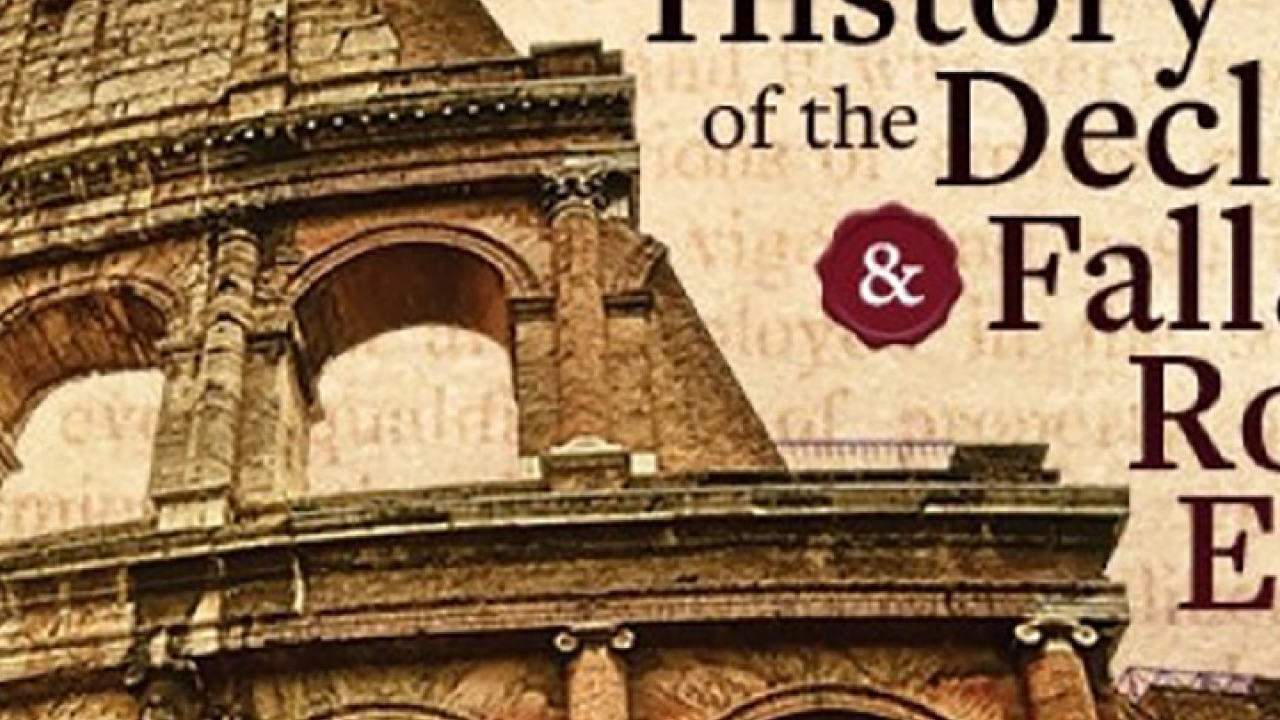
Books that Matter: The History of the Decline and Fall of the Roman Empire Season 1 Episode 13 East and West Divided
- 30 min
In the thirteenth episode of the first season of Books that Matter, titled East and West Divided, viewers are invited to explore the pivotal events and themes that marked the fragmentation of the Roman Empire, a topic that has fascinated historians and scholars for centuries. This episode dives deeply into the complexities of political, cultural, and military divisions that ultimately led to the establishment of two distinct empires: the Western Roman Empire and the Eastern Roman Empire, known as the Byzantine Empire.
The episode begins by contextualizing the historical backdrop of the late Roman Empire, a time characterized by immense challenges, both externally from barbarian invasions and internally through political instability and economic troubles. As the viewers are guided through this tumultuous era, they will learn about significant figures and events that contributed to the division, including the reign of Emperor Diocletian, who recognized the need for reform and instituted a tetrarchy, or rule by four, to better manage the sprawling territories of the empire.
The episode sheds light on the differing trajectories of the Eastern and Western Roman Empires, highlighting the factors that led to their diverging paths. As the West faced invasions from various tribes such as the Visigoths and Vandals, the East began to flourish economically and culturally, establishing a more centralized administrative system. Through expert commentary from historians, animated maps, and vivid reenactments, viewers gain a comprehensive understanding of the strategic decisions made by leaders in both regions and how these choices impacted the future of Europe and the Mediterranean.
Key themes of governance, identity, and culture are examined as the episode details the significance of Constantinople. Founded by Emperor Constantine, the city became a beacon of the Eastern Empire and a symbol of its resilience. The program delves into how the East adopted and adapted various traditions, merging Hellenistic and Roman influences, which resulted in a unique Byzantine culture marked by religious fervor, art, and scholarship. Viewers will see how the Eastern Empire cultivated its own identity while grappling with its Roman heritage, and how this cultural dynamism would shape its future.
As the narrative unfolds, East and West Divided carefully navigates the socio-political landscape of the time, explaining how power struggles and ideological differences punctuated the relationship between the two halves of the empire. The episode also examines the emergence of Christianity and its role in both unifying and dividing the empire, as religious disputes often mirrored the broader political conflicts of the era. Audiences will gain insight into how theological debates shaped identities and loyalties, impacting everything from governance to daily life.
This episode features in-depth discussions about classic texts from both the Eastern and Western traditions, highlighting the works of influential writers and thinkers whose contributions shaped the understanding of the Roman legacy. By exploring the historical significance of works such as "The Decline and Fall of the Roman Empire" by Edward Gibbon, the episode showcases how literature can provide insight into the complexities of historical events and the moral lessons derived from them.
As viewers reflect on the themes of division and unity explored in East and West Divided, they are challenged to contemplate the consequences of fragmentation on a grand scale. The episode poignantly illustrates how the decline of a unified empire paved the way for new political entities and cultures to flourish, setting the stage for medieval Europe and the myriad nations that would emerge in its wake.
Through captivating visuals, expert interviews, and a rich narrative, East and West Divided not only charts the historical course of the Roman Empire's division but also engages with the broader philosophical questions surrounding power, identity, and cultural evolution. This episode invites viewers to ponder the lessons of history and the enduring impact of the Roman Empire as a testament to both the fragility and resilience of societies.
In conclusion, episode 13 of Books that Matter promises to be a thought-provoking exploration of one of history's most significant divisions. By examining the dynamics of the Eastern and Western Roman Empires, this episode contributes to a greater understanding of the complex interplay between politics and culture, ultimately highlighting the importance of historical narratives in shaping our collective memory. Audiences are sure to leave with a deeper appreciation of the legacies that continue to influence our world today.
