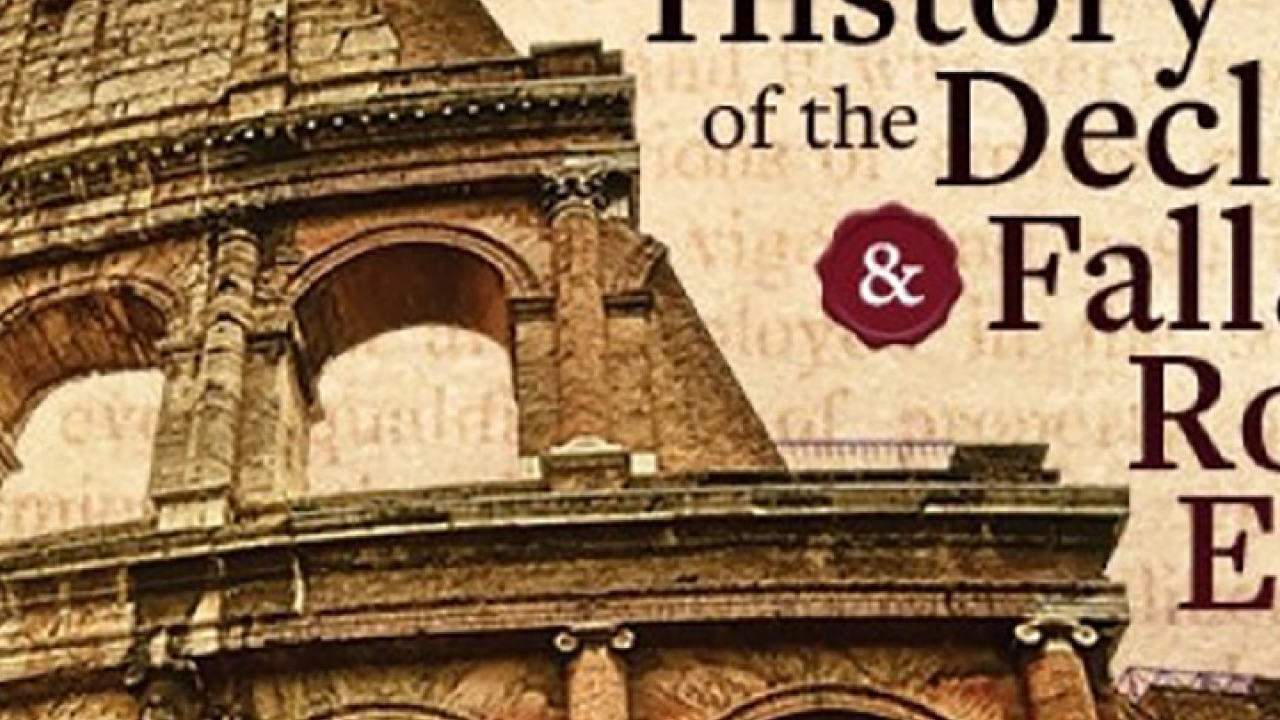
Books that Matter: The History of the Decline and Fall of the Roman Empire Season 1 Episode 24 Decline and Fall in Modern Perspective
- 32 min
In this compelling episode of Books that Matter, titled Decline and Fall in Modern Perspective, the host delves into the timeless lessons drawn from Edward Gibbon's seminal work on the decline and fall of one of history's greatest empires: Rome. This episode transcends the historical narrative, inviting viewers to explore the relevancy of Gibbon's analysis in the contemporary world, where parallels to our own societies can be drawn with disturbing clarity.
Throughout the episode, experts in history, political science, and sociology join the host to unpack the multifaceted themes presented in Gibbon's work. The discussion begins with an overview of the key arguments made by Gibbon regarding the factors that led to Rome's collapse, such as moral decay, economic instability, and external invasions. While Gibbon's observations were rooted in the 18th century, the episode raises the question: what can modern societies learn from the rise and fall of Rome?
Viewers are treated to a vivid exploration of the historical context in which Gibbon wrote, marking the Enlightenment's influence on his thinking. The panelists discuss how Gibbon's philosophical framework shaped not only his interpretation of Roman history but also his critique of contemporary politics and society. An analysis of Gibbon's writing style and rhetoric sheds light on how he engages readers with vivid imagery and persuasive reasoning, thus making the decline of Rome not only a history lesson but also a cautionary tale for the future.
As the episode unfolds, it places Gibbon's insights side by side with modern examples from various societies facing challenges similar to those of the Roman Empire. The panel engages in a thought-provoking dialogue about how technological advancements, economic disparities, and cultural shifts impact the stability of nations today. By drawing connections between the past and the present, the host encourages viewers to reflect on their own contexts, prompting questions about resilience, governance, and the fragility of civilization.
The conversation also touches on the implications of Gibbon's theories for understanding contemporary global dynamics. How do issues like populism, nationalism, and imperialism resonate with Gibbon's analysis? The experts share their views, highlighting how the lessons learned from the fall of Rome can inform our understanding of current geopolitical tensions. This modern perspective challenges audiences to consider the foundational structures that underpin their societies and the potential vulnerabilities within them.
In a captivating segment, the episode features case studies of specific countries that have experienced crises reminiscent of the Roman decline. These segments provide illustrative examples of how internal divisions and external pressures can lead to state collapse, fostering a greater understanding of the complexities involved. The experts discuss what lessons can be taken from these case studies, exploring the interplay of culture, economy, and governance as these nations navigate their precarious situations.
Recognizing the broad appeal of Gibbon's work, the episode also delves into the literary impact of The History of the Decline and Fall of the Roman Empire, contemplating its prowess in shaping historical thought and influencing writers, scholars, and thinkers across generations. The panelists reflect on how Gibbon's narrative has permeated popular culture and historical discourse, finding relevance in films, literature, and even current political rhetoric.
To culminate in a reflective conclusion, Decline and Fall in Modern Perspective encourages viewers to ponder what the fall of Rome teaches us about progress and setbacks. The episode invites audiences to consider how civilizations can learn from the past to forge a more sustainable future. The host wraps up the discussion with an emotional appeal, urging viewers not just to learn from history but to engage actively in shaping their societal narratives, ensuring that the mistakes of the past do not repeat.
With a blend of captivating narration, insightful analysis, and compelling visuals, this episode provides an enriching experience for history enthusiasts, scholars, and anyone curious about the intersections of the past with the modern world. By challenging viewers to contemplate the enduring significance of Gibbon's work in today’s context, Decline and Fall in Modern Perspective serves as a powerful reminder of the lessons that history holds, and the importance of vigilance in preserving the foundational elements of a flourishing society.
