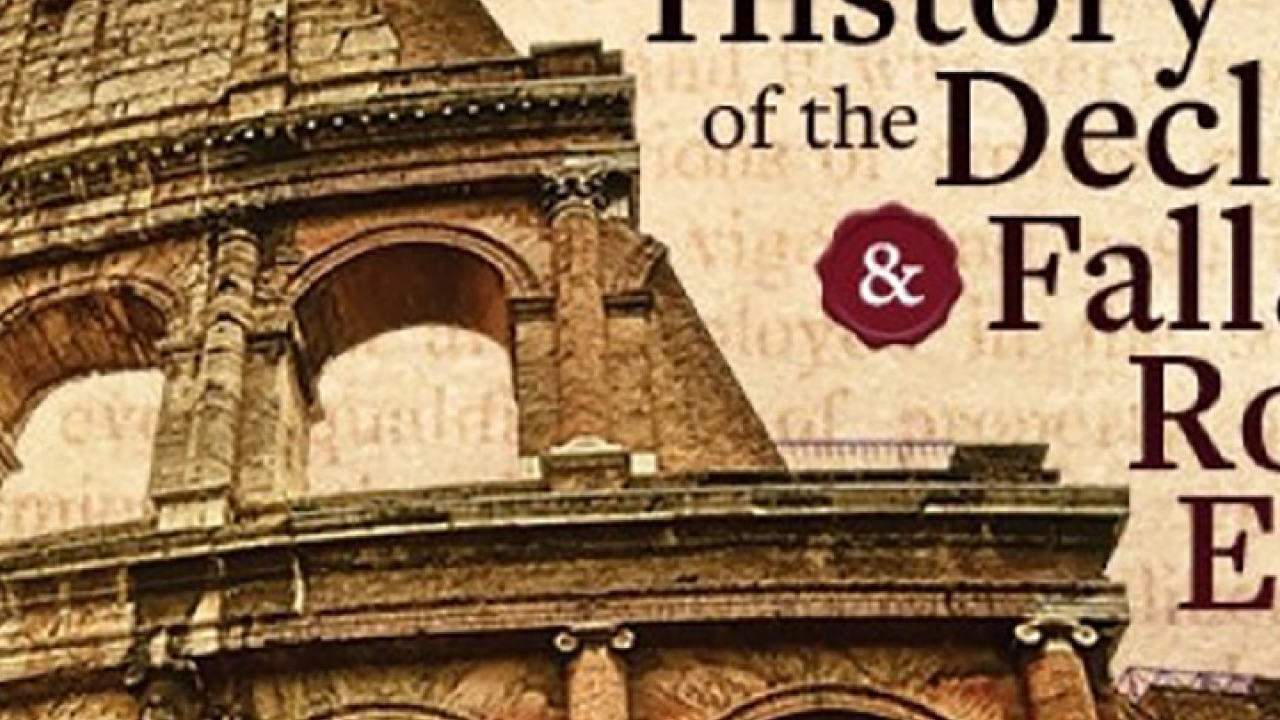
Books that Matter: The History of the Decline and Fall of the Roman Empire Season 1 Episode 5 The Golden Age of the Antonines
- 30 min
In this illuminating episode of Books that Matter, titled The Golden Age of the Antonines, viewers are invited to delve into one of the most celebrated and transformative periods of Roman history. Set against the backdrop of a vast empire at its zenith, this episode explores the reign of the five "Good Emperors" from Nerva to Aurelius, a time characterized by relative peace, prosperity, and cultural flourishing.
As the episode unfolds, expert historians and scholars provide insights into the unique traits and policies of the Antonine emperors. The narrative begins with an exploration of the political and social landscape of Rome during the late first and early second centuries AD. The episode meticulously examines how these emperors revered the ideals of justice and benevolence, marking a departure from the preceding era of political turmoil characterized by autocracy and violence.
The viewers are introduced to Nerva, whose short tenure laid the groundwork for a new emperor-statement relationship, and Trajan, famed for his military conquests and the expansion of the empire to its greatest territorial extent. The episode thoughtfully highlights Trajan's commitment to public welfare, exemplified through monumental architecture, infrastructure improvements, and social programs that benefitted the populace. Visual representations of Trajan's Column and the Forum provide a tangible sense of the grandeur achieved during this period.
Continuing with Hadrian, known for his philosophical leanings and emphasis on culture and the arts, the episode intricately discusses how he sought to consolidate and defend the empire rather than expand it further. His reign is elucidated through a focus on Hadrian's Wall, the architectural marvel that symbolized the protection of Roman territories. His fascination with Greek culture and efforts to revitalize Athens resonate with contemporary themes of cultural exchange and identity.
The episode's narrative style combines dramatic reenactments, expert commentary, and animated graphics to bring to life the key events and individuals of this historical epoch. The contrasting styles of leadership among the Antonines are examined in detail, giving viewers a nuanced understanding of what made this era distinctively prosperous. The interplay of military strength and civic responsibility underscores the unique approach taken by the Antonine emperors, which is presented as a possible catalyst for the stability experienced during this golden age.
The episode also addresses the significant cultural advancements during this period. Literature, philosophy, and arts experienced a renaissance, with a focus on notable figures such as the Stoic philosopher Marcus Aurelius. Audiences are invited to contemplate the intersections of pragmatism and ethics through Aurelius's writings, which continue to resonate with modern audiences. The show brings a fresh interpretation by discussing the relevance of Stoic ideals in contemporary life, fostering a connection between past and present.
Social and economic aspects are also critical points of discussion. The episode illuminates the trade networks that flourished under the Antonines, facilitated by improved road systems and maritime routes, alongside the growing unease of class disparities. Through interesting anecdotes and historical records, viewers gain insight into the everyday lives of Romans and the sense of citizenship that helped hold the empire together.
In exploring the eventual decline that followed this glorious era, The Golden Age of the Antonines hints at the complexities of governance and the challenges that can arise even during the height of prosperity. Questions surrounding succession, regional autonomy, and the pressures of managing an expansive empire emerge, foreshadowing the shifts that would come in later years.
As the episode draws to a close, it leaves audiences reflecting on the delicate balance between power and responsibility, and the lessons that can be drawn from the Antonine period. The legacy of the Good Emperors serves as a case study in leadership and governance that remains relevant today, prompting contemplation of how historical narratives shape our understanding of authority and civic duty.
This episode is a must-watch for history enthusiasts and casual viewers alike as it skillfully weaves together tales from the past with insights that resonate with the complexities of the modern world. Join us as we uncover the rich tapestry of the triumphs, philosophies, and intricacies that defined the Golden Age of the Antonines, reminding us why the history of the Roman Empire continues to captivate and enlighten.
