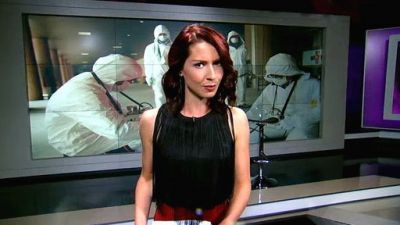
Breaking the Set Season 2 Episode 1 Season Two Premiere: US Historical Revisionism and Imminent War With Syria
- TV-PG
- September 3, 2013
Breaking the Set was a groundbreaking TV show that challenged the mainstream media's narrative and provided alternative perspectives on both domestic and international issues. In its highly anticipated second season, Breaking the Set returned with a bang in its premiere episode, titled "US Historical Revisionism and Imminent War With Syria." Hosted by the dynamic and fearless Abby Martin, this thought-provoking installment delved deep into the disturbing trend of historical revisionism within the United States, while also shedding light on the impending conflict with Syria.
The episode opened with Abby Martin captivatingly introducing the audience to the concept of historical revisionism. She explored how certain powerful forces within the US, from political figures to media organizations, have deliberately distorted historical events to serve their own vested interests. Through in-depth interviews, investigative reports, and compelling evidence, Breaking the Set exposed these revisionist narratives and called for a more honest examination of the nation's history.
As the episode unfolded, Abby Martin fearlessly tackled one of the most pressing and controversial topics of the time: the imminent war with Syria. With a keen eye for detail and a passion for uncovering the truth, she dissected the mainstream media's portrayal of the Syrian crisis and the alleged justifications for military intervention. Through exclusive interviews with experts, whistleblowers, and independent journalists, Breaking the Set presented a compelling case against military aggression and raised critical questions about the motives behind such actions.
While the show maintained its focus on US policies and actions, it also took a broader view of the international implications of the Syrian conflict. Abby Martin explored the potential consequences of military intervention not only for Syria but also for the surrounding countries and the global community as a whole. By shedding light on the complex web of geopolitical interests at play, Breaking the Set challenged viewers to examine the underlying motives and agendas driving the push for war.
Throughout the episode, the signature elements that made Breaking the Set so distinctive were ever-present. Abby Martin's inquisitive and unyielding interviewing style, coupled with her unwavering commitment to truth and justice, made for compelling viewing. The show's production values and attention to detail further enhanced the viewer's experience, ensuring that each segment was meticulously researched and presented.
"US Historical Revisionism and Imminent War With Syria" was a quintessential episode of Breaking the Set, epitomizing the show's mission to dismantle propaganda and present alternative perspectives. It encouraged viewers to question the narratives they are fed by the mainstream media and urged them to seek a diverse range of sources before forming their opinions. Breaking the Set aimed to empower viewers by providing them with the tools they needed to think critically and challenge the dominant discourse.
With its second season premiere, Breaking the Set confidently asserted its role as a groundbreaking alternative news source. The episode not only sparked thought-provoking discussions but also pushed the boundaries of traditional journalism. It reiterated the show's commitment to offering a platform for underrepresented voices and amplifying the truth amidst a sea of misinformation.
In conclusion, "US Historical Revisionism and Imminent War With Syria" solidified Breaking the Set's place as an essential and captivating TV show. Through its thought-provoking exploration of historical revisionism and its critical analysis of the Syrian conflict, the episode exemplified the show's dedication to empowering viewers and challenging the status quo. Breaking the Set set the stage for an exciting and enlightening second season, promising more incisive journalism and alternative perspectives that would make audiences question the narratives they are fed.