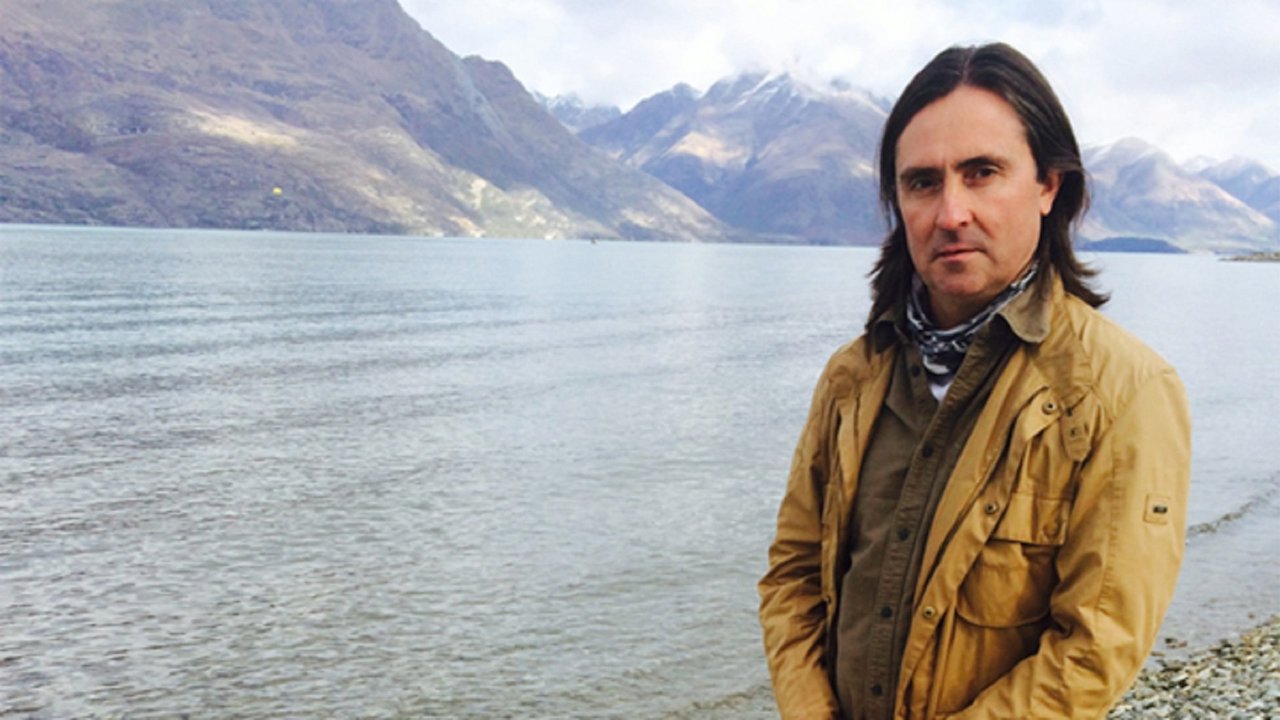
Coast New Zealand Season 2 Episode 3 Stewart Island
- May 8, 2017
- 43 min
In season 2, episode 3 of Coast New Zealand, the team travels to Stewart Island, which is located at the southernmost point of New Zealand. The island offers a unique perspective on the country's wild coastline and the biodiversity that accompanies it.
The team, led by presenter Neil Oliver, delves into the island's history, from the Maori tribes who once lived there, to the European settlers who transformed the land for their own purposes. They visit a remote island that was once used as a quarantine station for ships arriving from Europe, and explore a section of the island that has been left untouched for nearly a century.
As usual, the team spends time with local characters, including fishermen, conservationists, and lighthouse keepers, to learn about the island's current culture and way of life. They examine the impact of invasive species on the island's native flora and fauna and meet the dedicated individuals who work tirelessly to preserve the island's natural beauty.
One of the highlights of the episode is the crew's visit to a unique community of eco-conscious individuals who live off the grid. The team learns about how the community came to be and how they sustain themselves using sustainable energy and farming techniques.
The team also explores the island's coastlines, which are some of the most rugged and wild in the world. They investigate the rocky cliffs and hidden coves that make up the shoreline to reveal the secrets of the coast, including how tides, currents, and winds have shaped the land over time.
Throughout the episode, the team experiences the island's unique culture and rich history, as well as its stunning landscapes and wildlife. They also explore the challenges that come with preserving such a remote and wild region, and the impact of climate change on ecosystems that can be fragile.
Overall, the episode is a fascinating look at one of New Zealand's most remote and intriguing areas, and how it is navigated by those who live there. It captures the beauty and ruggedness of the island, as well as the challenges that the people and wildlife face in maintaining its biodiversity and ecosystem.
