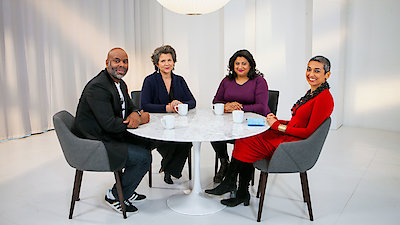
#MeToo, Now What? Season 1 Episode 4 The Culture of Complicity
- TV-14
- February 23, 2018
- 25 min
#MeToo, Now What? is a television show that debuted on February 2, 2018, on PBS. This one-hour, five-episode series was produced by WNET, which is a PBS affiliate and is hosted by Zainab Salbi, an Iraqi-American humanitarian. The show aims to explore the #MeToo movement, which is an international campaign against sexual harassment and assault. The series features interviews with advocates, lawmakers, journalists, and survivors, who share their perspectives and experiences.
Season 1, Episode 4, titled The Culture of Complicity, examines the role of influential institutions and individuals who have enabled sexual harassment and assault. This episode questions the complicity of institutions such as media, education, and politics, who often overlooked or ignored allegations of sexual misconduct. The episode also delves into the experiences of marginalized groups who faced the most significant barriers to raising their voices about harassment and assault.
The episode starts with a conversation between the host and former New York Times executive editor, Jill Abramson. Abramson discusses the culture of newsrooms and the practice of settling sexual harassment allegations outside of public scrutiny. The host and guest question whether the media is doing enough to confront the issue of sexual harassment within their industry and to provide a voice to survivors. They also discuss how newsrooms can be a hostile environment for women and how that often leads to a lack of reporting on sexual harassment and assault.
Next, the episode explores the complicity of the education system in dealing with sexual harassment and assault. The host meets with a group of high school students who are part of the Girls Learn International program. The students share their experiences with sexual harassment in school and how it affected their academic achievement and emotional well-being. The episode also features an interview with the National Women's Law Center, who discuss the failures of Title IX policies in universities and colleges to handling sexual misconduct.
The episode then moves on to politics and discusses the power dynamics that exist in the political realm, which can make it difficult for survivors of harassment and assault to come forward. The host speaks with Zerlina Maxwell, senior director of progressive programming, and Noreen Farrell from Equal Rights Advocate, who detail some of the issues that need to be addressed to create a safer environment for survivors. They discuss the lack of accountability and transparency surrounding sexual misconduct allegations and point out that this has prevented many survivors from seeking justice.
Finally, the episode talks about how the most vulnerable groups, marginalized communities, and people working in low-wage jobs are often the most susceptible to harassment and assault. The host meets with Ai-jen Poo, the director of National Domestic Workers Alliance, who speaks about the importance of advocating for all survivors' rights and working toward creating safer work environments for low-wage workers.
Overall, The Culture of Complicity highlights the importance of dismantling the systems that enable sexual harassment and assault. By examining the role of influential institutions and individuals, this episode calls for a fundamental shift in our culture and society. It encourages all of us to create more inclusive and equitable environments where everyone feels safe and respected.
