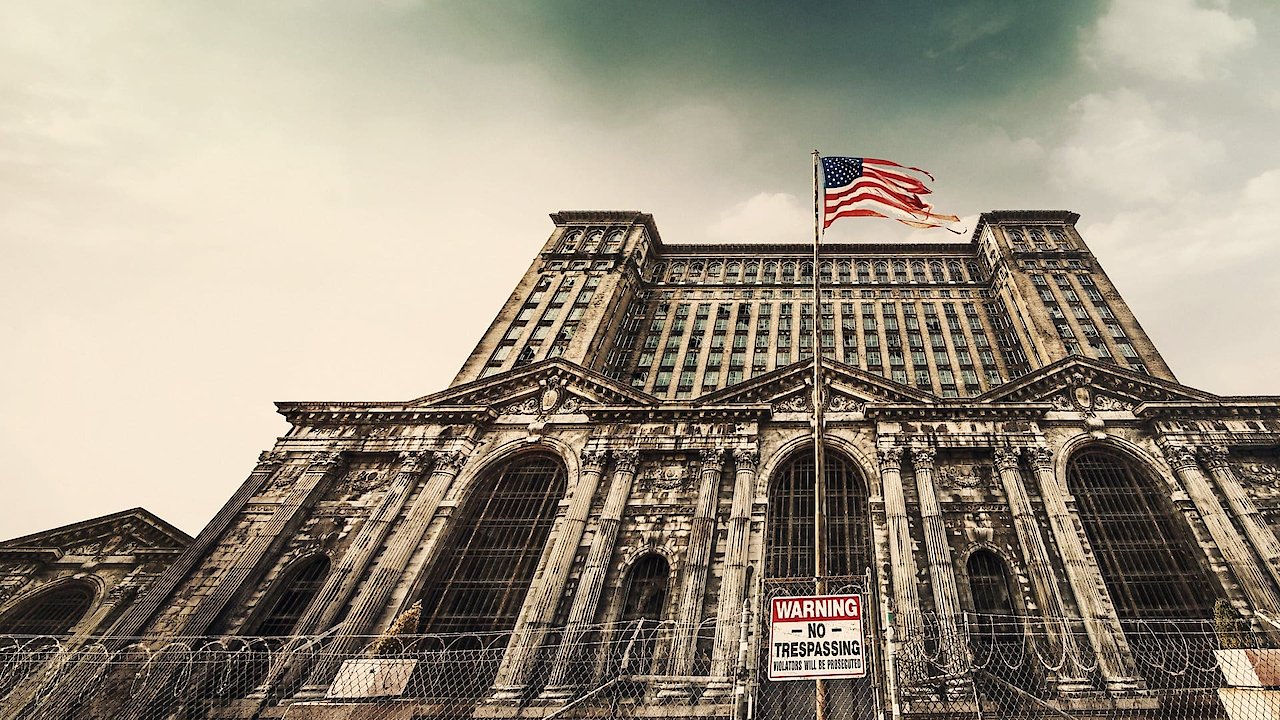
Mysteries of the Abandoned: Hidden America Season 2 Episode 3 Pullman, Chicago: The Town That Paralyzed the Nation
- TVPG
- September 12, 2023
- 42 min
-
(6)
In the gripping third episode of Season 2 of Mysteries of the Abandoned: Hidden America, titled Pullman, Chicago: The Town That Paralyzed the Nation, viewers embark on an evocative journey into the complex and often turbulent history of Pullman, a unique community that played a pivotal role in shaping labor rights and the American industrial landscape.
Nestled on the outskirts of Chicago, Pullman was originally conceived as a model town by industrialist George Pullman in the late 19th century. The episode delves into the ambitious vision behind Pullman, showcasing its grand architecture, innovative urban planning, and the utopian ideals that drove its creation. As the first planned industrial community in the United States, it sought to blend work and life harmoniously, an experiment that promised a better quality of life for its workers and their families. However, the shining facade of this progressive town belies the tension simmering beneath its surface.
Throughout the episode, viewers are introduced to the various elements that contributed to Pullman's unique character, from its stunning Victorian homes to the company-owned facilities that provided both employment and housing. The narrative explores the principles that guided its development and the revolutionary spirit that endeared Pullman to many. Yet, as the Industrial Revolution progressed, the initial utopian dream began to unravel, ultimately leading to one of the most significant labor conflicts in American history—the Pullman Strike of 1894.
Expert commentary and archival footage are woven together seamlessly, offering insights into the lives of Pullman’s residents. The stark realities of labor conditions, economic pressures, and social inequalities are explored, painting a vivid picture of the struggles faced by the workers. As the episode unfolds, it provides a deeper understanding of how George Pullman’s business model, which prioritized profit over worker welfare, led to discontent and unrest within the community.
As tensions escalate, the episode intricately chronicles the events leading up to the Pullman Strike, examining how a seemingly localized labor dispute escalated into a nationwide railroad strike that paralyzed a critical segment of the American economy. Viewers will witness the faces and stories of the men and women caught in the crossfire of this labor confrontation, gaining perspective on their motivations, hopes, and fears. The episode delves into the contributions of key figures, such as Eugene V. Debs, who emerged as a prominent voice for labor rights, shaping the discourse around workers' freedoms and collective bargaining.
The emotional weight of the episode is further enhanced by the exploration of community dynamics in Pullman, shedding light on the relationships that both flourished and frayed during this tumultuous period. Residents were not merely workers; they were families with aspirations, livelihoods, and a shared dream that began to crumble under the weight of corporate indifference and economic exploitation. The struggle was not just about wages, but about dignity, respect, and the fundamental right to organize—a theme that resonates in contemporary discussions about labor rights.
As the narrative progresses, the episode navigates the aftermath of the strike, examining the national implications of the conflict and the stark division it catalyzed within American society. The repercussions of the Pullman Strike were felt far beyond the borders of Chicago, igniting conversations about the role of government in labor disputes and the burgeoning need for labor reform. This exploration presents an opportunity for viewers to reflect on the historical lessons learned and their relevance in today's socio-economic landscape.
Visually, the episode is rich in detail, with striking visuals of the remnants of Pullman’s architectural heritage alongside poignant portrayals of the strikers and supporters. Ghostly echoes of the past permeate the landscape, imbuing each frame with a sense of history that speaks to the ongoing struggle for workers' rights.
Finally, with its blend of historical context, personal narratives, and expert analysis, Pullman, Chicago: The Town That Paralyzed the Nation serves not just as a recounting of a pivotal moment in American labor history, but as a powerful reminder of the resilience and determination of those who sought justice and equality in the face of overwhelming odds. Audiences will be left contemplating the legacy of Pullman, a once-visionary town that became a battleground for labor rights, and the enduring impact it has on contemporary discussions surrounding the American workforce.
Join the journey as Mysteries of the Abandoned explores this fascinating chapter in America's industrial narrative, encouraging a thoughtful examination of the past and the echoes it leaves in the present.
