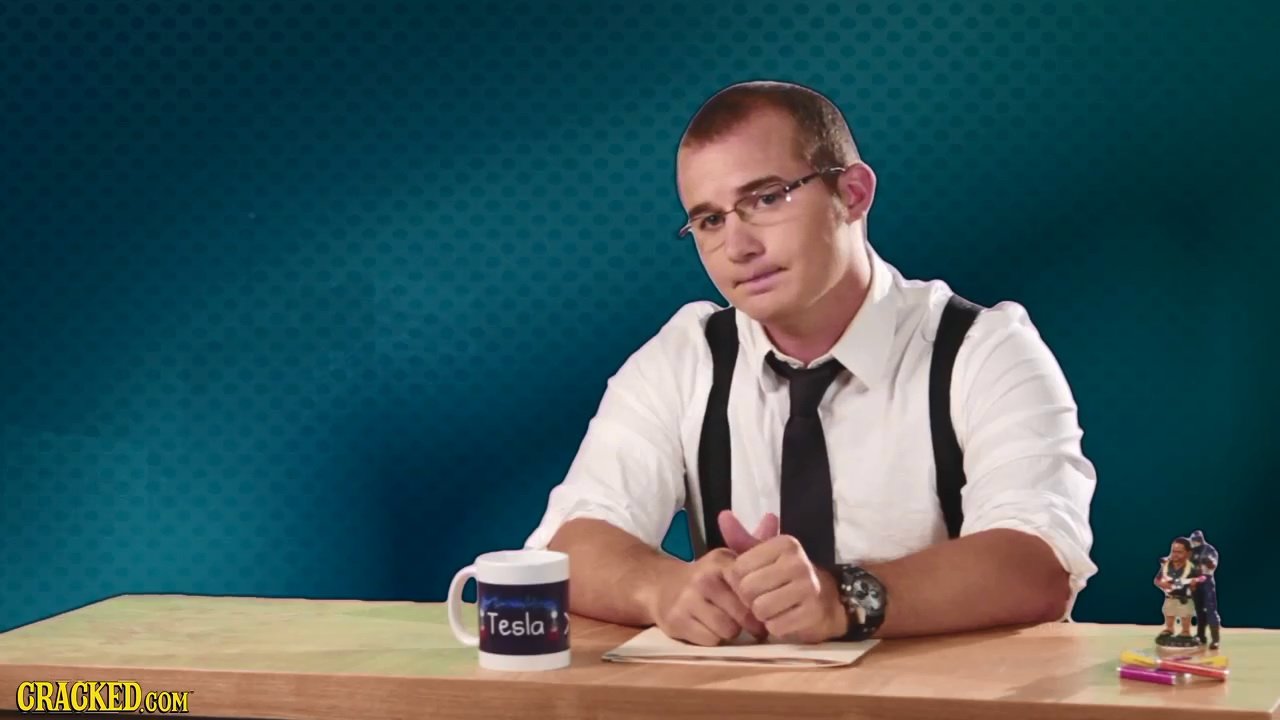
Obsessive Pop Culture Disorder Season 3 Episode 7 4 Movies That Are Horrifying From Another Character's POV
- December 2, 2015
- 10 min
In the captivating seventh episode of season 3 of Obsessive Pop Culture Disorder, titled 4 Movies That Are Horrifying From Another Character's POV, the show delves into a fascinating exploration of perspective in storytelling. The hosts, well-known for their insightful analysis and entertaining commentary, take viewers on a journey through four iconic films that present chilling narratives reinterpreted through the eyes of secondary characters.
Throughout the episode, the discussion revolves around how shifting the point of view can transform the viewer's understanding of the story and heighten the tension and horror experienced by both the characters and the audience. By examining these beloved yet terrifying tales from fresh angles, the show invites fans to reconsider their previous notions and emotional responses to each film.
The episode begins with an engaging introduction, where the hosts passionately discuss the significance of perspective in cinema, particularly in the horror genre. They highlight how the traditional point of view often narrows the audience's empathy and understanding, while alternative viewpoints can reveal hidden motivations, fears, and complexities that enrich the narrative. This conversation sets the stage for a deeper analysis of the four films selected for this episode.
As the hosts unveil the first film, they draw attention to its iconic status and the subtleties that often escape casual viewers. They dissect its plot through the prism of a supporting character who experiences a completely different reality than the main protagonist. This character’s fears, desires, and moral dilemmas add layers of complexity, ultimately leading to a more nuanced understanding of the horrifying events at play. The discussion is peppered with thought-provoking theories and interpretations, engaging fans to reflect on their own experiences with the film.
Next, the episode transitions into the second film, one that has captivated audiences for years with its chilling premise and unforgettable imagery. The hosts take a closer look at the perspective of a seemingly innocuous character who witnesses the unfolding horror from the sidelines. This character’s gradual descent into fear and confusion acts as a mirror to the audience’s own impending dread, making the viewing experience all the more immersive. The hosts dive into the psychological implications of this viewpoint, examining how audiences can form emotional connections with characters even when they are not at the forefront of the action.
The episode takes a darker turn with the third film, renowned for its graphic content and disturbing themes. Here, the hosts focus on a character whose motivations and rationalizations provide a shocking contrast to the central narrative. As they analyze the backstory and development of this character, they unravel the complexities of morality, privilege, and the nature of evil. This exploration raises the stakes and elicits a profound empathy from the audience, prompting them to question who the true villain is. The hosts skillfully navigate these sensitive discussions without breaching spoilers, ensuring that viewers retain the thrill of discovering these films for themselves.
Finally, the show culminates with the final film, a modern classic that has redefined the genre. This time, the hosts shed light on a character whose unreliability casts a shadow of uncertainty over the entire narrative. The juxtaposition of their perspective against the main storyline leaves the audience questioning the fabric of reality itself. Throughout this segment, the hosts expertly weave in commentary about the film’s cultural relevance and its impact on modern horror, encouraging viewers to think critically about how narratives are shaped and perceived.
Throughout the episode, the hosts engage with their audience through interactive segments, prompting viewers to share their interpretations and experiences related to the films discussed. This community aspect creates a lively atmosphere, where fans of horror cinema can celebrate their shared love of the genre while contemplating its deeper meanings.
As always, Obsessive Pop Culture Disorder enriches the viewing experience with a mix of humor, insight, and genuine passion for film. Season 3, episode 7 is a must-watch for horror aficionados and casual viewers alike, as it challenges conventional perceptions and offers a fresh lens through which to appreciate the art of storytelling. By the end of the episode, audiences will be left with not only a newfound appreciation for these memorable films but also a heightened awareness of how perspective can fundamentally change the horror experience in cinema. As the credits roll, viewers are encouraged to reflect on their own interpretations and join the conversation online, fostering a deeper engagement with the haunting tales that have captivated our imaginations for decades.
