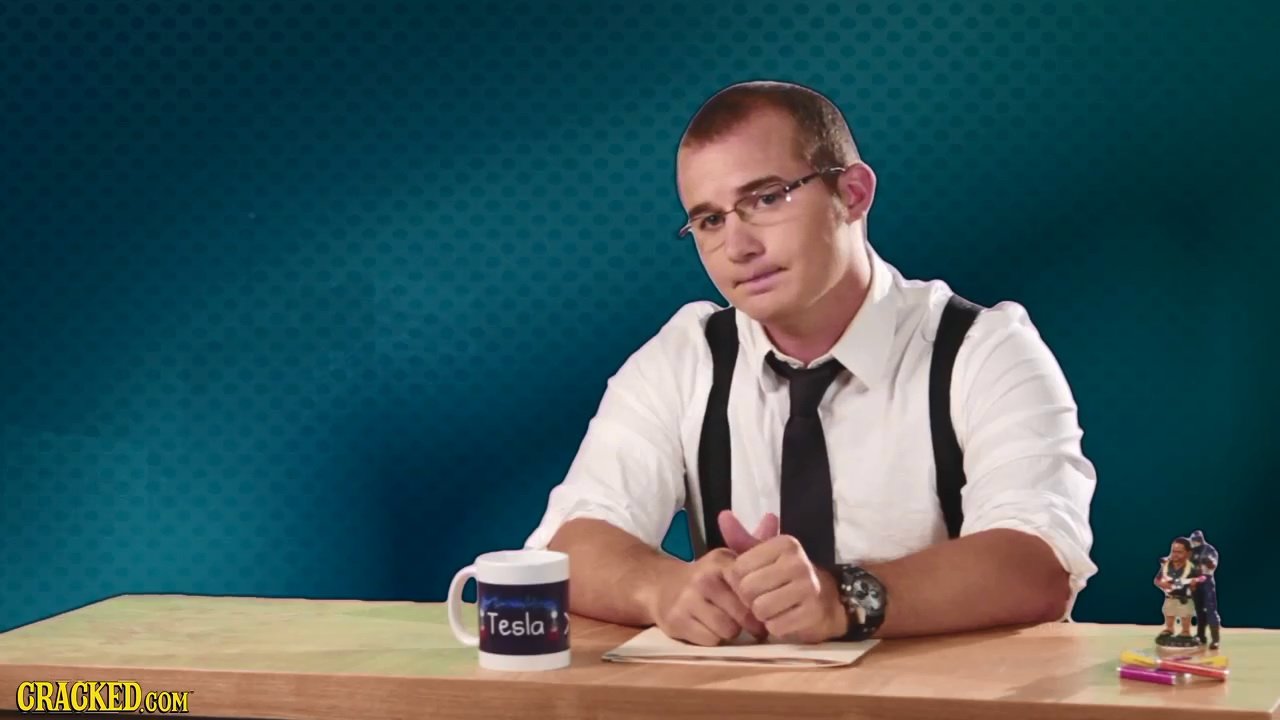
Obsessive Pop Culture Disorder Season 5 Episode 6 Why The Wizard Of Oz Is Worse Than You Remember
- August 16, 2017
- 8 min
In the sixth episode of the fifth season of Obsessive Pop Culture Disorder, titled Why The Wizard Of Oz Is Worse Than You Remember, the show takes a critical deep dive into one of cinema's most beloved classics, The Wizard of Oz. As the iconic film celebrates its legacy, this episode seeks to challenge the nostalgia surrounding the film and examine elements that are often overlooked or glossed over in its retelling.
Starting with the historical context of the film’s release in 1939, the episode delves into the social and cultural issues of the time, providing viewers with a lens to understand how these factors influenced the storytelling and character portrayals. The hosts engage in a thought-provoking discussion about the themes of escapism and the American Dream, questioning whether the film’s cheerful veneer masks darker underlying messages that may resonate more loudly with modern audiences.
Throughout the episode, the hosts dissect key scenes and character arcs, meticulously analyzing the symbolism embedded within the narrative. They explore how the characters, such as Dorothy, the Scarecrow, the Tin Man, and the Cowardly Lion, each represent various archetypes and societal pressures that reflect the struggles individuals face in the pursuit of identity and belonging. The episode raises questions about the nature of courage, the quest for intelligence, and the search for heart, urging viewers to reconsider what these traits truly signify in the context of their own lives.
The analysis extends to the film’s musical numbers, which are often celebrated for their whimsical melodies. With expert commentary, the hosts discuss how these songs, while catchy and memorable, can also obscure the more serious themes at play. They provide insight into how the music contributes to the overarching narrative while inviting viewers to listen closely to the lyrics, revealing a complexity that might not be immediately apparent.
Visually, the episode draws attention to the contrast between the vivid technicolor of Oz and the sepia tones of Kansas, prompting discussions about the implications of such a stark binary. The hosts invite guests who are well-versed in film analysis to share their perspectives, creating a rich dialogue that juxtaposes childhood memories with adult interpretations of the film.
Moreover, the episode doesn't shy away from examining the film's more problematic aspects, including its portrayal of characters and the cultural implications of some of its themes. Viewers are encouraged to reflect on the attitudes towards race, gender, and power dynamics represented in the film, urging a more nuanced understanding of how these factors affect the narrative. By emphasizing the need for critical engagement with beloved media, the episode challenges the audience to move beyond blind admiration of classics in favor of a more comprehensive appreciation that recognizes both their strengths and shortcomings.
Interactive segments allow viewers to contribute their thoughts, memories, and experiences related to The Wizard of Oz, creating a community conversation around the film. Social media polls and fan submissions are incorporated into the discussion, allowing for a diverse range of voices and interpretations. This engaging format not only keeps the episode lively but also highlights the various ways individuals connect with pop culture, emphasizing the personal impact that such stories can have across generations.
As the episode progresses, it becomes evident that the aim is not to tarnish the film’s reputation but rather to provoke thoughtful discourse. The hosts present the material in a way that is both respectful and inquisitive, acknowledging the film's status as a cultural touchstone while advocating for a reevaluation of its themes through a contemporary lens.
By the conclusion, viewers may find themselves pondering their own relationship with The Wizard of Oz—how their perceptions have changed over time and what the film means to them in the present day. Why The Wizard Of Oz Is Worse Than You Remember serves as a powerful reminder that even the most cherished pieces of art can benefit from scrutiny and discussion, and that engaging critically with pop culture is essential in understanding our own narratives in relation to those presented on screen.
This episode of Obsessive Pop Culture Disorder promises to be both entertaining and enlightening, encouraging viewers to revisit a classic with fresh eyes and an open mind, while fostering a deeper appreciation for the complexities that lie within beloved tales.
