StarTalk with Neil deGrasse Tyson Season 2 Episode 6 David Byrne
- TV-PG
- December 6, 2015
- 41 min
-
(19)
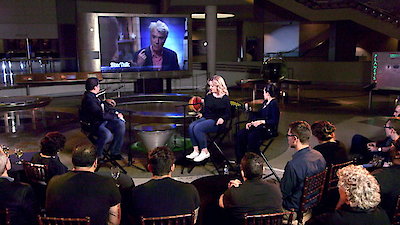
In season 2 episode 6 of StarTalk with Neil DeGrasse Tyson, the host sits down with musician David Byrne to discuss the intersection of science and art. With Byrne's extensive background in both fields, including his role as the lead singer and songwriter for the band Talking Heads and his involvement with projects like the interactive art installation "Playing the Building," the conversation delves into the ways in which creativity and scientific thinking can complement and strengthen each other.
Throughout the episode, Tyson and Byrne explore various topics, including the ways in which music can influence mood and the differences between creating art and scientific research. They also touch on the role of artificial intelligence in the creative process and the potential implications of using AI to create music or other art forms.
One theme that emerges throughout the discussion is the powerful connection between rhythm and human biology. Byrne shares insights into how he uses rhythm to create music that resonates with listeners on a primal level, and Tyson adds scientific context to this idea by discussing the ways in which our brains respond to music and rhythmic patterns.
The episode also explores the ways in which our understanding of the world around us is shaped by the ways in which we perceive it. Byrne talks about his experience with synesthesia, a condition in which sensory information is processed simultaneously in multiple ways, such as seeing colors when hearing music. This leads to a broader conversation about how our perceptions of the universe are limited by the ways in which we experience it, and how artists and scientists alike can use their unique perspectives to expand our understanding of the world.
Overall, season 2 episode 6 of StarTalk with Neil DeGrasse Tyson is a fascinating exploration of the connection between science and art. With David Byrne's perspective as a musician and artist, the conversation covers a wide range of topics and offers plenty of insights into the creative process and the ways in which we interpret and interact with the world around us.