Wild America Season 11 Episode 2 Animal Oddities
- TV-G
- November 10, 2008
- 28 min
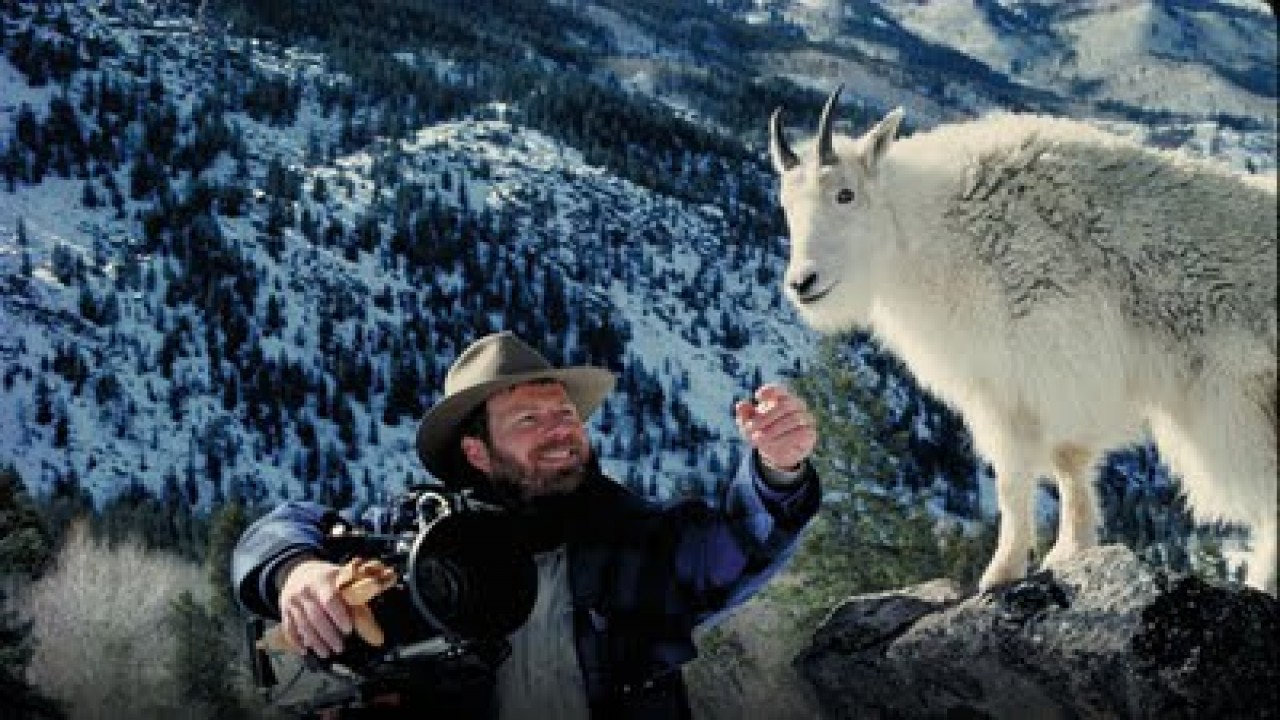
Wild America is a well-known television show that has been on the air for several decades. In season 11, episode 2, viewers are taken on a journey through various animal oddities. The episode begins with the host introducing his audience to a variety of unique creatures that have adapted in amazing ways to survive and thrive in their diverse environments.
Throughout the show, viewers will get a chance to witness some of the most unusual animals that inhabit the planet. For instance, the tube-nosed bat is shown on the screen, and viewers get a close-up view of its elongated nose that helps it navigate through the dark. The camera follows the bat as it catches insects on the wing, showing how it uses echolocation to locate and capture prey.
Another odd creature shown is the platypus, a mammal that lays eggs. The program explores the platypus’s unique physiology, showcasing its webbed feet that serve as paddles to help it swim, its flat tail that acts as a rudder, and its duck-like bill that acts as an electroreceptor, helping it find food in the dark.
The next segment focuses on the titi monkey, which has developed a special type of fur that allows it to withstand extremely cold temperatures. The animal is shown living in the Andes Mountains, where it survives in freezing temperatures by huddling together in groups for warmth.
The show also features the axolotl, a salamander that has the unique ability to regenerate missing body parts. Viewers learn how scientists are studying the regenerative powers of the axolotl in the hopes of finding a way to help humans heal from injuries more quickly.
Another animal feature in this episode is the colorful chameleon, which we see blending in with its surroundings in the wild. The chameleon changes its skin color depending on its environment to blend in with its surroundings as protection from predators. The program dives into the science behind this incredible ability, explaining how chromatophores in the reptile's skin produce the color change.
Other segments in the episode include a spotlight on the uakari, a monkey with a bright-red face, and the "living fossil" known as the coelacanth, which was thought to be extinct but was rediscovered in the 20th century. Viewers get an opportunity to see footage of this ancient fish, which has remained virtually unchanged for hundreds of millions of years.
Throughout the episode, the host offers interesting insights into the behaviors and adaptations of these remarkable animals. He explains how these creatures have evolved in their environments and how they continue to survive against the odds. The program also features stunning footage of the animals in their natural habitats, giving viewers an up-close look at some of the strangest and most unusual creatures that inhabit the planet.
Overall, Wild America's season 11 episode 2 Animal Oddities is an engaging and educational program perfect for nature enthusiasts of all ages. With its focus on unique animals and their incredible abilities to adapt and survive, this episode is sure to capture the imaginations of young and old viewers alike.