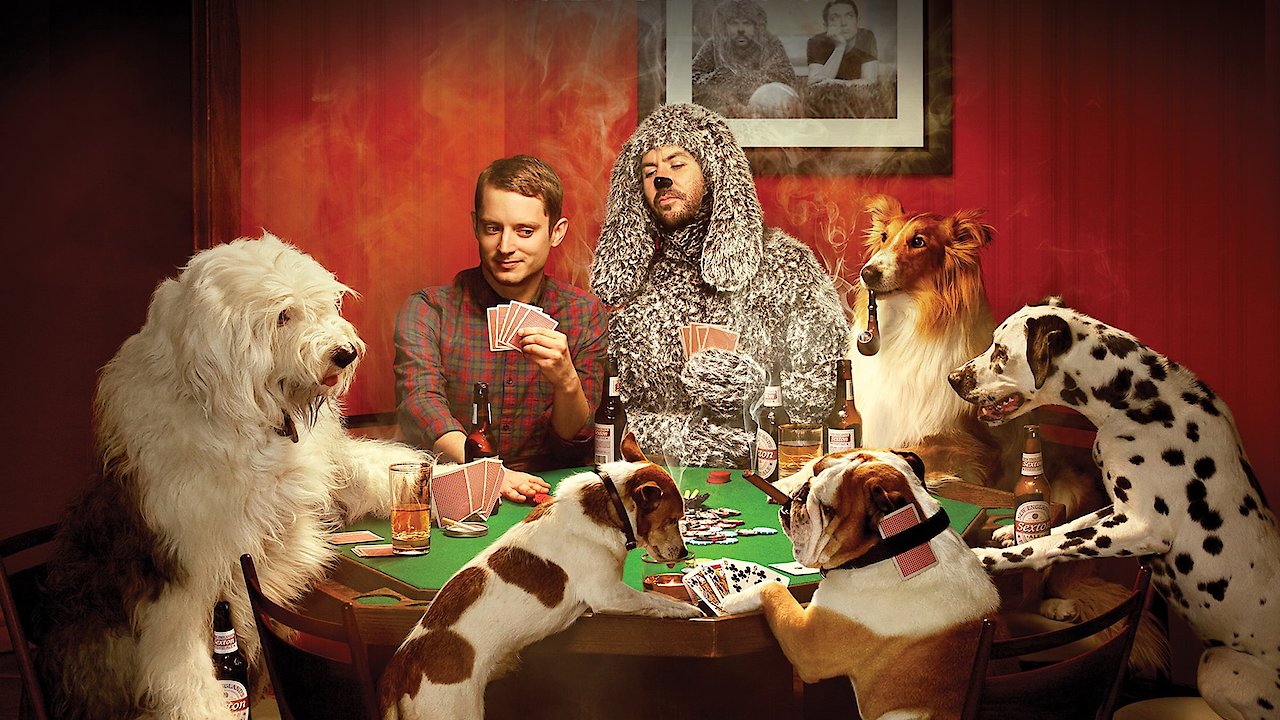
Wilfred Season 1 Episode 4 Walking the Dog
- April 9, 2007
In the fourth episode of Wilfred's first season, titled Walking the Dog, the boundary between reality and illusion continues to blur as Ryan grapples with his peculiar relationship with Wilfred, the eccentric dog who seems to have his own agenda. This episode dives deeper into the themes of companionship, responsibility, and the struggle for independence, while also treading into comedic territory.
As the episode opens, Ryan finds himself in a precarious situation when he is tasked with walking Wilfred, an undertaking that quickly escalates into a series of absurd and humorous events. Wilfred, portrayed as a mischievous and rebellious canine companion, exhibits behavior that defies traditional dog norms, leading to confrontations with others in their suburban neighborhood. Through their walk, Wilfred’s quirky antics push Ryan out of his comfort zone, forcing him to confront his own inadequacies and insecurities.
The humor in this episode is infused with a sense of surrealism, as Ryan's interactions with Wilfred reveal the often bizarre dynamics of their relationship. Wilfred’s insights, though laced with humor, often strike at the heart of Ryan’s internal struggles, offering a window into his psyche as well as a critique of societal norms. The episode cleverly balances laugh-out-loud moments with reflections on deeper personal challenges, showcasing the juxtaposition of comedy and introspection.
Throughout the walk, Ryan encounters various characters that further complicate his day. Each encounter is laden with comedic tension, and Wilfred's brash personality often complicates Ryan’s attempts to appear normal and collected to those around him. The neighborhood dynamics serve as a backdrop for examining Ryan’s journey toward self-acceptance and the pervasive feeling of alienation that accompanies his circumstances.
As the episode progresses, the peculiar relationship between Ryan and Wilfred becomes increasingly central to the narrative. Ryan's attempts to assert control over the situation frequently backfire, leading to moments of chaos that encapsulate the essence of their partnership. The absurdity of Wilfred’s behavior often reflects back on Ryan, prompting him to question his choices and motivations as he navigates the complexities of adult life.
The cinematography and pacing enhance the narrative, with each scene transitioning smoothly into the next, mirroring the erratic nature of Ryan and Wilfred's escapade. The vibrant depiction of suburban life contrasts sharply with the unconventional bond between a man and a dog who appears to live by his own set of rules. This visual dichotomy enriches the comedic elements while grounding the viewer in Ryan’s world, making the absurdity feel relatable.
As the episode nears its conclusion, the underlying messages become more pronounced. Wilfred challenges Ryan to embrace his flaws and confront the societal pressures that dictate his behavior. The push and pull of their relationship serves as a vehicle for exploring themes of freedom versus constraint, a reflection of Ryan's own desire to break free from the mundane expectations of adult life.
Walking the Dog encapsulates the essence of Wilfred as a series, blending absurdist comedy with insightful commentary on mental health and social interaction. The dynamic between Ryan and Wilfred evolves further in this episode, setting the stage for future developments while allowing the audience to reflect on their own journeys toward self-discovery. As Ryan walks alongside Wilfred, he is not just navigating the physical space of their neighborhood but also journeying through the emotional landscape of his life, which resonates on a deeper level with viewers.
With its unique blend of humor and poignancy, this episode stands out as a pivotal moment in the series, pushing Ryan to confront his reality while finding solace in the unorthodox companionship of a dog who might just have the wisdom Ryan never knew he needed. Walking the Dog masterfully weaves together the absurd and the poignant, ensuring that audiences remain engaged and entertained while grappling with the complex themes that make Wilfred a standout show.