Engine Masters Season 6 Episode 10 The Battle of the Holley Carbs
- TVPG
- June 4, 2021
- 29 min
The highly-anticipated season 6 of Engine Masters is finally here, and its latest episode titled The Battle of the Holley Carbs offers nothing less than exceptional high-performance car science for fans of the previous five seasons of the show. The episode is packed with an exciting head-to-head comparison between two Holley carburetors that will leave viewers breathless and even questioning their previous beliefs about carburetors.
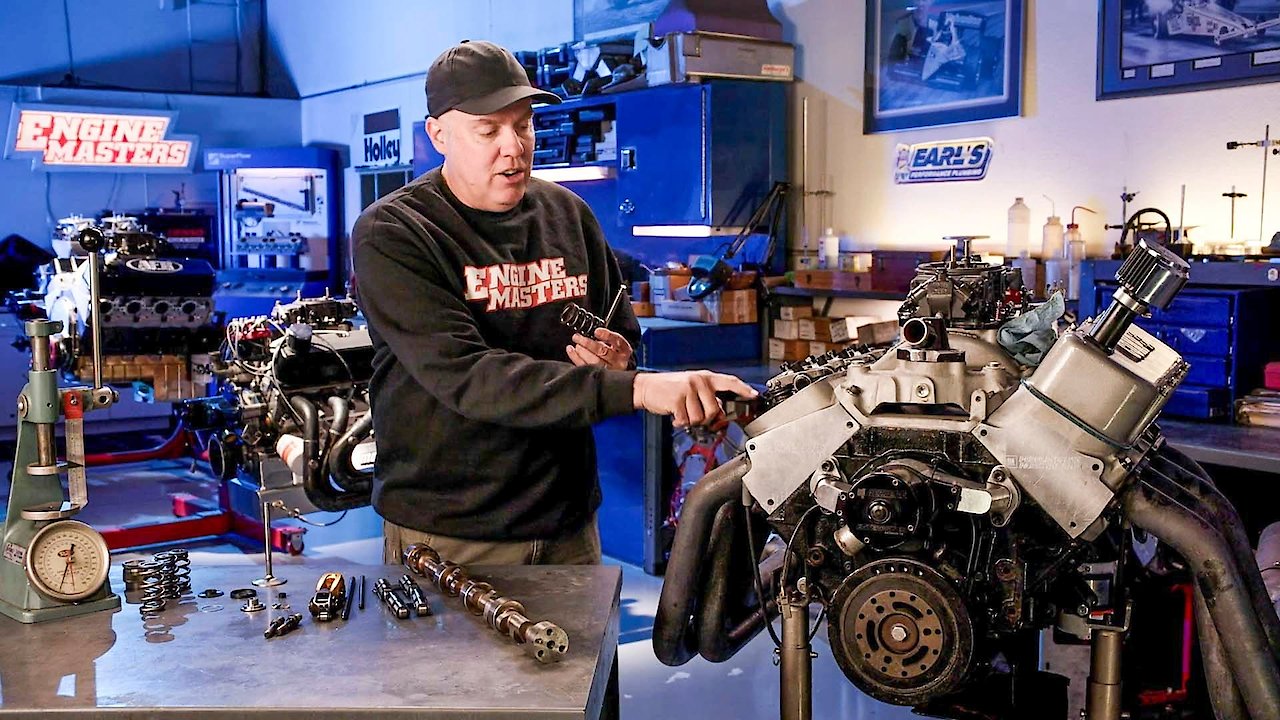
The host of the show, David Freiburger, and resident expert in all things automotive, Steve Dulcich, put each Holley carburetor under a microscope to determine which one is the better performer. They take both 600-cfm Holley carburetors apart and build them up with the same parts to guarantee the test is fair. To ensure that the comparison of the carburetors is exact, the team welds the air horn from the donor carburetor onto the body of the test carburetor.
Dulcich explains that they want to make sure that the only variable between the two carbs is the throttle plate. They proceed by installing the carburetors to an engine dyno that runs a small-block V8 engine. They start off by testing the carburetors with no modifications, expecting to find little to no difference between them, but viewers will be surprised to see otherwise.
The engine puts out 398 horsepower with Holley carburetor number one while carburetor two only pumps out 387 horsepower, putting the first carb ahead by 11 horsepower. With that information at hand, viewers might think the test is over and carburetor one is the winner, but they are wrong. The hosts then make adjustments to the carburetors to make them more aggressive. They begin by modifying the jetting and accelerator pump system and some changes in the boosters.
Once they have made the necessary modifications, the engine is tested again, and the engines pump out a staggering 488 horsepower with carburetor number two, while carburetor one falls behind, producing 484 horsepower. The team seems to be in disbelief as they did not expect such a big difference in power output between the carbs.
The hosts then turn to the air/fuel curves, which require a very careful process that includes installing an air-fuel probe in each cylinder and running the engine to get the exact air/fuel ratio. Once they have the data, they compare the curves for each carburetor, and the differences are shocking. The air/fuel curve for carburetor number two is narrow and upright, implying it is a "better" carburetor option because it can deliver optimal air/fuel ratios to the engine.
On the other hand, carburetor one's air/fuel curve is flatter than carburetor two, which means it might run more efficiently, but will give up power. The data shows that the narrow and upright air/fuel curve gives the engine more power and efficiency. The data also showcases that increasing airflow velocity will provide improved fuel atomization, which leads to higher power. Consequently, David demonstrates the importance of airflow and describes how airflow must be distributed equally for optimum performance.
In conclusion, viewers will not only learn about carburetors but also about the fast and straightforward process of getting the high performance they crave. The episode provides a clear distinction between the two carburetors and a deeper understanding of how the performance of the carburetor can provide a proper balance of power and fuel efficiency. David and Steve's dynamic personalities and chemistry on the show, combined with their vast knowledge of all things automotive, make this episode nothing less than a thrill to watch for all gearheads around the world.