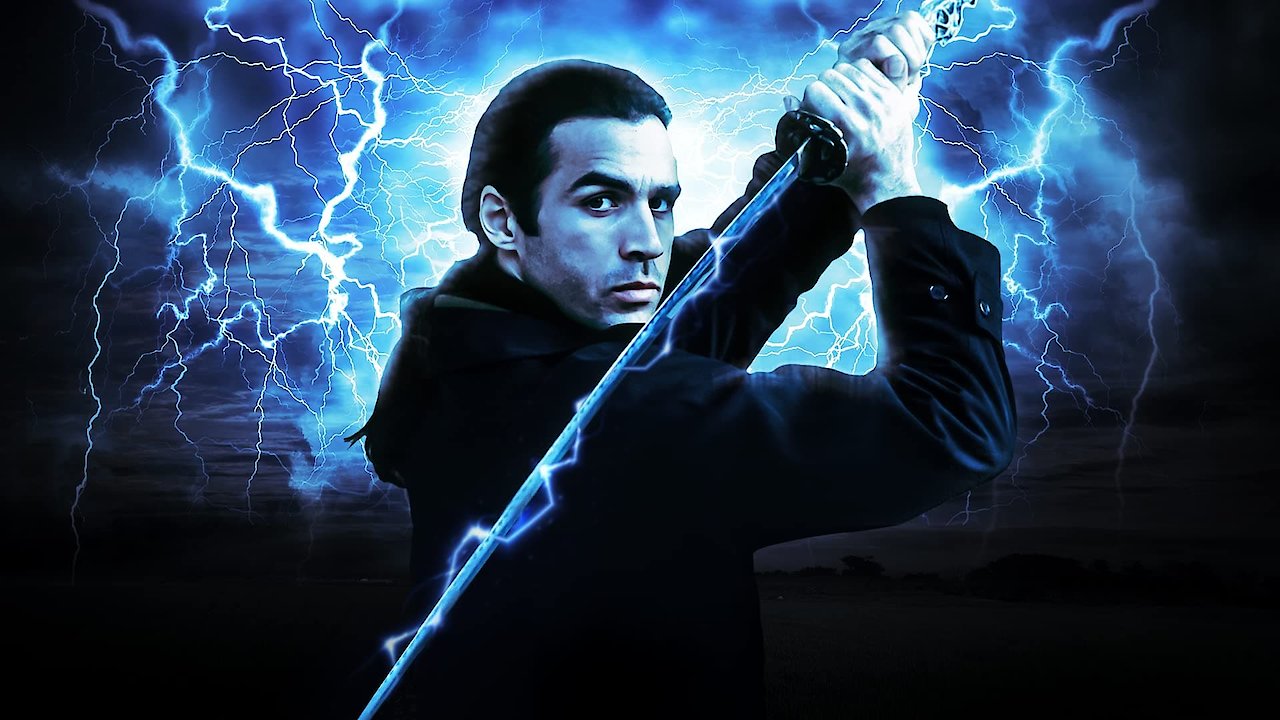
Highlander: The Series Season 6 Episode 13 Not To Be
- TV-14
- May 16, 1998
- 48 min
-
8.4 (175)
In the hauntingly introspective thirteenth episode of season six of Highlander: The Series, titled Not To Be, the narrative delves into the complexities of fate, choice, and the eternal struggle against time. As the immortal protagonist Duncan MacLeod navigates through a series of gripping encounters, the episode invites viewers to reflect on the weight of their decisions and the paths they choose in life.
The story begins with Duncan MacLeod, portrayed with depth and nuance by Adrian Paul, grappling with the shadow of his past and the unforeseen ramifications of his immortal existence. As the episode unfolds, it becomes clear that the ghosts of choices made long ago continue to haunt him. This exploration of the past serves as a poignant reminder that while immortal, MacLeod is still bound by the very human emotions of love, regret, and responsibility. This internal conflict is at the heart of Not To Be, making it a compelling character study as well as a thrilling narrative.
In this episode, Duncan encounters a series of significant figures from his history, each representing a different facet of his life and choices. The interactions serve not only to push the plot forward but also to deepen the emotional resonance of the series. These characters, some familiar and others new, challenge Duncan’s perceptions of what it means to live eternally and the consequences of his actions. Each encounter poses a crucial question: Can one truly escape the past, or are we destined to repeat our mistakes, regardless of the time we have?
The episode's pacing balances tension and reflection, shifting between high-stakes action and intimate moments of self-discovery. As Duncan confronts formidable adversaries, the stakes are raised, reminding viewers that the sword fights are not merely physical battles but reflections of the internal struggles faced by each character. The choreography of the fight scenes is as elegant as it is brutal, showcasing the show’s signature blend of action and artistry, while underscoring the emotional weight behind each clash.
Duncan's relationship with his mentor and dear friend, Methos, adds another layer of complexity to the narrative. Their conversations are laden with philosophical undertones, as Methos (played by the charismatic Peter Wingfield) offers insights that provoke Duncan to reconsider his approach to immortality. The bond between the two characters is tested as they engage in a dialogue about destiny, free will, and the notion of living authentically versus conforming to expectations.
As the episode progresses, viewers are drawn further into the exploration of what it means to defy or embrace one’s destiny. The series has long examined moral ambiguities, and Not To Be dives deep into the heart of these themes, prompting both the characters and the audience to confront the paradoxes of existence. The script deftly weaves philosophical reflections into the fabric of the narrative, making each moment resonate with significance.
The cinematography in this episode enhances the storytelling, employing a stylistic aesthetic that complements the emotional gravity of Duncan’s journey. The atmospheric settings, coupled with a haunting musical score, evoke a sense of melancholy and introspection, enriching the viewing experience. Every scene is meticulously crafted to amplify the internal and external conflicts, drawing the audience into the emotional landscape of the characters.
Not To Be also poses broader questions about the nature of immortality itself. The episode prompts viewers to contemplate the implications of living beyond the limits of a human lifespan. It ponders whether the accumulated wisdom gained through centuries of existence is worth the agony of loss and the burden of eternal memory. These thematic explorations resonate deeply, making the episode not just a chapter in Duncan MacLeod’s saga, but an evocative meditation on life itself.
As the climax of the episode approaches, tensions mount and allegiances are tested. The intricacies of fidelity and betrayal come into play, heightening the stakes for Duncan and those around him. The resolution is both satisfying and thought-provoking, leaving viewers with lingering emotions as the credits roll. Not To Be ultimately reinforces the idea that every choice counts, and that the legacy of each immortal is shaped not only by their battles but also by the lives they touch along the way.
In conclusion, Highlander: The Series, with its episode Not To Be, skillfully intertwines action, philosophy, and poignant character development into a memorable viewing experience that encourages reflection on one's own choices and the eternal question of destiny versus free will.