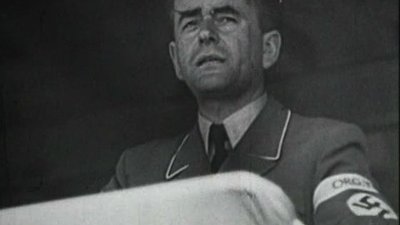
Hitler's Henchmen Season 1 Episode 6 The Admiral: Karl Doenitz
- February 4, 2013
In the gripping sixth episode of the first season of Hitler's Henchmen, titled The Admiral: Karl Doenitz, viewers delve into the complex life and career of one of Nazi Germany’s most prominent naval figures. Karl Doenitz, a commander who rose through the ranks to become the head of the Kriegsmarine, is examined not only for his military prowess but also for his political maneuvers that helped shape the course of World War II.
The episode opens by exploring Doenitz’s early life, showcasing his fascination with the sea and his ambitions from a young age. As the son of a naval officer, his journey began in the confines of naval academies and training that would set the stage for his future achievements. The narrative builds as it outlines his rapid rise through the ranks of the German Navy, culminating in his leadership during the Battle of the Atlantic.
As the story unfolds, viewers witness the strategic mind of Doenitz at work, particularly his innovative use of U-boats that transformed naval warfare. The episode meticulously details the tactics he developed, his vision of a submarine fleet that controlled the Atlantic, and the initial successes that strengthened his reputation within the Kriegsmarine. The unique perspective offered allows audiences to appreciate the mechanics of underwater warfare, the intelligence behind Doenitz's decisions, and the camaraderie that developed among his men during the intense and often perilous missions.
However, the episode does not shy away from the darker aspects of Doenitz’s legacy. It presents a candid examination of the ideological ramifications of his actions. While he was a dedicated soldier with strong adherence to his duty, the moral implications of the warfare conducted under his command also come to light, raising questions about loyalty, responsibility, and the human cost of war. Through interviews with historians and experts, the show contextualizes Doenitz's role within the larger framework of the Nazi regime and its destructive policies.
As the episode progresses, it delves into Doenitz’s tumultuous relationship with Adolf Hitler and other high-ranking officials. It illustrates the intricate web of alliances and rivalries within the Nazi elite, emphasizing the power struggles that characterized the leadership during a time of impending defeat. Doenitz's eventual rise to the position of Führer following Hitler's death is presented with careful analysis, demonstrating how he navigated the shifting political landscape of post-war Germany.
The Admiral also sheds light on Doenitz's postwar life and the challenges he faced after the fall of the regime. The narrative explores his trial at Nuremberg, where he defended his actions as those of a soldier adhering to orders, highlighting the complex moral and ethical questions surrounding military obedience and culpability in war crimes. Doenitz’s reflections during this period reveal the ongoing internal conflict he faced as he grappled with his past actions and the implications of his wartime decisions.
Visually, the episode employs a mix of archival footage, wartime photographs, and dramatic reenactments that effectively convey the tension and stakes of the era. These elements work in harmony to create a compelling atmosphere that grips the audience's attention while inviting them to reflect on the broader implications of leadership and accountability in times of war.
With its nuanced portrayal of Karl Doenitz, this episode stands as a critical examination of a man who was both a soldier and a politician, demonstrating how individual agency occurred within the larger violent machinations of a totalitarian regime. The Admiral: Karl Doenitz invites viewers to consider the legacies of historical figures through an unflinching lens, provoking thought about the nature of ambition, duty, and the sometimes devastating consequences of warfare.
As the episode concludes, audiences are left with lingering questions about the fine line between loyalty and complicity, the nature of leadership during catastrophic events, and the sober reality that every decision made by a leader carries weight far beyond the battlefield. This installment of Hitler's Henchmen serves as a potent reminder of history's lessons, compelling viewers to reflect on the complexities of a man who played a significant role in one of the most tumultuous periods of the 20th century.
