How It's Made Season 7 Episode 23 Fly Fishing Reels, House Paint, Weaving Looms, Ice Makers
- TVG
- December 4, 2009
- 21 min
-
7.6 (19)
The 23rd episode of the 7th season of How It's Made explores the production processes behind various everyday items such as fly fishing reels, house paint, weaving looms, and ice makers. The show takes viewers on a fascinating journey, showing the intricate and complex mechanisms involved in the manufacturing of these everyday items that we take for granted.
The episode starts with a closer look at the making of fly fishing reels, which are crucial in any angler's arsenal. The show takes us through the entire process of making these reels, from the initial design stage to the final assembly. The materials used in the production of fly fishing reels vary but commonly include aluminum, brass, and high-quality stainless steel. We see how the manufacturer uses computer-numerical-control (CNC) machines to create precise components for the reels, followed by anodizing to give the aluminum parts a corrosion-resistant finish. Watching the intricate details, including the making of gears and bushings, viewers will gain appreciation for the art involved in the construction of such fishing equipment.
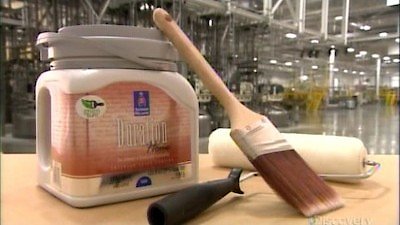
Next, the show explores the production of house paint, which is a common household item. The episode reveals how raw materials including pigments, extenders, solvents, resins, and additives are combined to create high-quality paint. The necessary materials are carefully chosen based on their chemical properties, as well as their aesthetic and functional capabilities. We follow along as the paint goes through mixing and milling stages until it is finally packaged. One of the more surprising secrets the episode reveals is the influence that weather has on the production process.
Viewers are then treated to a segment on the manufacturing of weaving looms. We see the entire process, from the initial design stage to the shipping of the finished products around the world. Witnessing the making of the looms and the detail work that goes into the development of each unique model is fascinating. The manufacturer describes how the various types of looms are used in creating different fabrics, including silk and wool, both of which are used in high-quality clothing. Observed are the movements of the various thread holders, and the skill of the craftspeople in assembling the looms requires delicacy and precision, making this process an excellent representation of the beauty of craft manufacturing.
Finally, the episode concludes with an examination of how ice makers are produced. With high demand in the market for ice, the industry has come up with several ways to meet it, including the production of ice makers. The episode shows the detailed process and the equipment used to make commercial ice makers, examining the creation of the metal structures that make up the ice makers, the electrical wiring, and the digital controls used to create a reliable product. We see how long-term testing of various models ensures that each product is capable of producing a substantial quantity of ice, and built to last.
As with every episode of How It's Made, viewers will be wowed by the complexity of the processes involved in making these everyday items. The show also provides an excellent opportunity to learn more about the manufacturing industry and the people behind the products we use daily. Each item is unique and requires an exceptional level of skill and expertise to produce to its full potential, and these episodes emphasize that notion time and time again. Anyone who enjoys seeing how everyday items are made and learning about the intricate details that go into their production will find this episode, and indeed the entire series of How It's Made, to be highly informative, engaging, and enjoyable.