Independent Lens Season 12 Episode 20 Waste Land
- April 19, 2011
In the twelfth season of Independent Lens, the twentieth episode titled Waste Land, takes the viewers on an emotional journey through the lives of Brazil’s scavengers. The episode focuses on the life of renowned Brazilian artist Vik Muniz as he revisits his homeland to create an art project, utilizing trash.
The documentary highlights the lives of some of the poorest individuals in Brazil, who survive by collecting recyclable materials from the world’s largest landfill located in Rio de Janeiro. These underprivileged scavengers are referred to as “catadores,” which means “pickers” in Portuguese. Through the eyes of Muniz, the viewers witness the lives of these individuals, their struggles, and their daily routines.
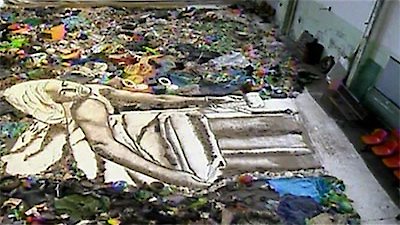
The episode begins introducing Muniz, who has gained global acclaim for creating art from unconventional materials. In this episode, he returns to Rio de Janeiro, where he grew up, to create a collaborative project with some of the city’s “catadores”. Muniz spends several years befriending the workers of the Jardim Gramacho landfill, capturing their stories through photography and creating large-scale, mosaic-inspired portraits using the trash they collect.
The documentary takes the viewers through Muniz’s creative process, from his initial meetings with the “catadores” to the final unveiling of the finished art pieces. The project aimed to not only create art but also raise awareness of the plight of these underprivileged individuals.
As the project takes shape, the scavengers begin to see themselves in a different light. They take pride in their work and see their value as more than just garbage collectors. This is a pivotal moment in the film, as it is revealed that the “catadores” regularly face discrimination from the rest of society. With this art project, they are given a platform to speak out about their struggles.
The documentary also delves into the history and culture of Brazil. The “catadores” are a reflection of the country’s social inequalities, where poverty and wealth exist side-by-side. The film explores how Brazilian politicians have systematically neglected those in poverty, leading to the creation of landfills like Jardim Gramacho and reliance on waste as a source of income.
With the help of Muniz and his art project, some of the “catadores” receive a scholarship, providing an opportunity for education and new careers. Their success stories serve as an inspiration to viewers, highlighting the power of art and human connection to create positive change.
Throughout the episode, the viewers are exposed to the catadores’ realities, their stories, and their struggles. The show is successful in delivering a message that solid waste is a global issue, and social inequality forms a vicious cycle of poverty that aggravates the situation even more.
In conclusion, the Independent Lens season 12 episode 20, titled Waste Land, is a thought-provoking, emotional, and engaging episode that highlights the power of art in creating social change. It shines a light on the lives of “catadores,” one of the most marginalized and neglected groups in Brazil, and showcases their spirit of resilience and determination. The beauty of this episode is how it not only raises awareness about the plight of these underprivileged scavengers but also tells a humanistic story about everyday life in Brazil.