Independent Lens Season 13 Episode 11 Daisy Bates: First Lady of Little Rock
- February 2, 2012
In season 13 episode 11 of Independent Lens, viewers are introduced to Daisy Bates, a prominent civil rights activist in Little Rock, Arkansas during the 1950s and 60s. Bates was central to the fight to desegregate schools, particularly in the wake of the landmark Supreme Court case Brown v. Board of Education.
The episode provides a deep dive into Bates' life and career, highlighting her work as a journalist and political activist before she became involved in the school desegregation movement. Viewers learn about the challenges she faced as a Black woman trying to make her voice heard in a deeply segregated and discriminatory society, and how she used her platform through writing and public speaking to push for change.
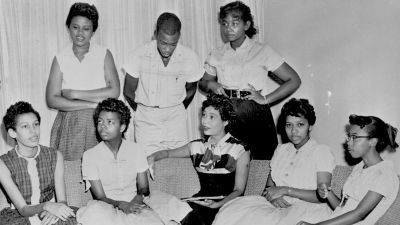
The heart of the episode centers on Bates' work with the Little Rock Nine, a group of Black students who were selected to integrate Little Rock Central High School in 1957. Bates served as a mentor, advocate, and strategist for the students and their families, navigating a hostile and violent environment that included death threats, physical attacks, and the intervention of the Arkansas National Guard.
Through interviews with surviving members of the Little Rock Nine, as well as archival footage and historical context, viewers gain a sense of the extraordinary courage and resilience required of these pioneering young people, as well as the ways in which Bates' guidance and support played a crucial role in their success.
The episode also examines the toll that Bates' activism took on her personal life, as she faced harassment, threats, and even violence. Viewers see the emotional and psychological impact that this kind of sustained pressure can have, and are left with a deeper appreciation for the sacrifices that activists like Bates make in the fight for justice and equality.
Overall, Independent Lens' Daisy Bates: First Lady of Little Rock offers a powerful and inspiring look at a little-known figure whose contributions to the civil rights movement deserve greater recognition and appreciation. Through her work with the Little Rock Nine and beyond, Bates exemplified the kind of bravery and dedication to justice that continues to resonate today.