Independent Lens Season 15 Episode 11 Spies of Mississippi
- February 10, 2014
-
6.2 (11)
In Season 15 Episode 11 of Independent Lens, entitled "Spies of Mississippi," viewers are taken on a journey through the shadowy history of a covert group of African American spies working in the 1950s and 60s to expose white supremacist organizations in the Southern state. Believing that the civil rights movement was a Communist plot to overthrow the US government, the State Sovereignty Commission sought to maintain segregation and suppress black voter registration. While the FBI remained passive on the issue, a network of black investigators led by a veteran named John Givens stepped up to infiltrate the Commission and gather evidence that ultimately exposed its racist agenda.
The episode begins by introducing the historical context of the civil rights movement in Mississippi, highlighting the violent opposition faced by activists including Medgar Evers and Martin Luther King Jr. The State Sovereignty Commission is introduced as a powerful, secretive organization feared by both civil rights workers and ordinary black citizens. Through archival footage and interviews with historians, journalists, and family members of the Commission's victims, the viewer gains a deep understanding of the Commission's role in perpetuating racism and segregation in the state.
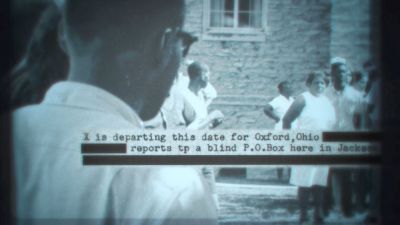
The story then shifts to the work of the Commission's black spies, who posed as janitors, waitresses, and other low-level employees in the Commission's headquarters. The spies secretly photocopied documents that revealed the Commission's true intentions, including plans to discredit NAACP leaders and create false stories about black activists. The viewer also hears from former spies themselves, who describe the challenges of infiltrating the Commission and the intense pressure they faced to remain undetected.
The episode also explores the personal toll the work took on the spies and their families. Some were ostracized by their communities and forced to move away from Mississippi. Others faced harassment and threats from white supremacist groups. Despite the risks involved, the spies remained committed to exposing the Commission's agenda and seeking justice for its victims.
As the story unfolds, the viewer witnesses the dramatic events that ultimately brought the State Sovereignty Commission to its knees. A controversial newspaper article published by investigative journalist Bill Minor led to the exposure of the Commission's racist activities. The courts then moved to disband the organization and its files were eventually made public, revealing the full extent of the Commission's surveillance and suppression of civil rights activists.
Throughout the episode, viewers are challenged to consider the ethics of the spy network's actions. Was it appropriate to engage in deception in order to expose wrongdoing? Did the ends justify the means? The show presents both sides of the argument, allowing viewers to draw their own conclusions.
The episode concludes with a reflection on the impact of the spy network's work. While many of the Commission's victims did not live to see justice served, their stories live on as a powerful reminder of the unrelenting fight for equality and justice in the face of oppression. For anyone seeking to understand the complex legacy of the civil rights movement, "Spies of Mississippi" is a must-watch.