Independent Lens Season 16 Episode 9 American Denial
- February 23, 2015
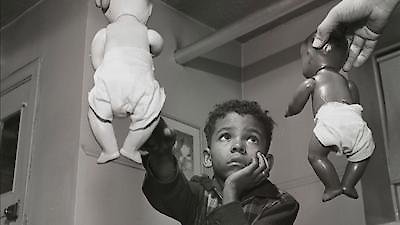
In the 9th episode of season 16 of Independent Lens titled "American Denial," viewers are taken on a journey to uncover the hidden stories of racial inequality in America. The episode explores the way white Americans have used scientific research to justify discrimination, and how institutionalized racism has persisted throughout American history. The documentary examines the work of Swedish researcher and Nobel laureate, Gunnar Myrdal, who was invited to the United States in the 1940s to study race relations. Myrdal's groundbreaking work in sociology led him to develop the theory of "American Creed," which helped shape America's self-image as a land of freedom and opportunity.
The documentary explores the many ways this self-image obscures the harsh reality of racial inequality in America today. From examining the legacy of slavery and segregation to the fight for civil rights in the 1960s, this episode reveals the many ways white Americans have used science and research to justify discrimination, and how systemic racism continues to be a reality for many black and brown Americans. The documentary also highlights contemporary examples of institutionalized racism, including the war on drugs and the school-to-prison pipeline.
Through interviews with prominent scholars and activists, "American Denial" provides an insightful and thought-provoking look at the ways in which racism is both reinforced and perpetuated in American society. The documentary explores the social and cultural factors that contribute to ongoing racial disparities, as well as the role of media and popular culture in shaping public attitudes about race. Viewers will learn about the history of racial inequality in America, including how past and present policies have contributed to disparities in housing, education, and healthcare.
Throughout the episode, the documentary challenges viewers to think critically about their own role in perpetuating racial stereotypes and to examine their own prejudices and biases. By highlighting the voices and experiences of black and brown Americans, "American Denial" provides a platform for a necessary and timely conversation about race and racism in America. Ultimately, the episode offers hope for a more equitable and just society, one in which all people are valued and treated with respect and dignity.