Independent Lens Season 24 Episode 6 No Straight Lines
- January 23, 2023
-
(6)
The Independent Lens season 24 episode 6 titled "No Straight Lines" centers around the history of LGBTQ comics and the artists who have been at the forefront of LGBTQ representation in the comic world. The episode specifically focuses on four different artists and their unique contributions to the LGBTQ comic world.
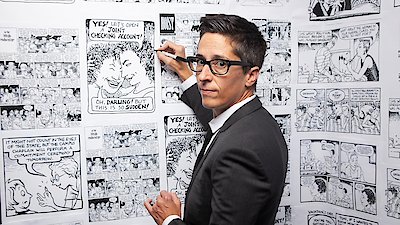
From the outset, the episode delves into the lack of representation for the LGBTQ community in traditional comics and how this compelled artists to create their own content. Interviews with academics and art critics contextualize why representation matters and how it can serve as a tool for social change. The episode then transitions to delving into the work of Alison Bechdel, the creator of the now-famous Bechdel test and author of the celebrated graphic memoir Fun Home. She shares insights on her path to becoming a cartoonist, including the impact her family had on her work and how her early characters became her alter-egos of sorts.
Then we meet Jennifer Camper, a cartoonist who has been publishing anthology series since the early 1990s. Camper's work serves as a bridge between LGBTQ art and activism, as her comics often tackle political issues facing the community. Her series Juicy Mother, is widely known for bringing a diverse range of voices and experiences to readers as it strives to normalize the idea of queer culture within mainstream society.
The episode also features the work of Ed Luce, whose "Wuvable Oaf" comic is a love letter to both heavy metal and the gay bear community. Luce shares his motivation for creating an unapologetically queer comic and the insight into the overlapping themes of love, self-discovery and not belonging.
Finally, Trina Robbins, a pioneer in the field from the 1960s to present day, discusses how her early work reflected her personal experience and encouraged others to do the same. Robbins' work explores topics such as women's rights, sexual liberation, and the issues facing women of color.
Throughout the episode, the artists' stories are woven together, giving the audience a sense of the overarching narrative of the LGBTQ comic movement, from the early days of alliance building to the resurgence in comics that emerged in the late 2000s and onwards. Besides, the episode provides valuable insight into comics as a medium for social change, particularly for queer representation. The episode invites viewers to consider the role of storytelling and art in the political climate of the contemporary era.