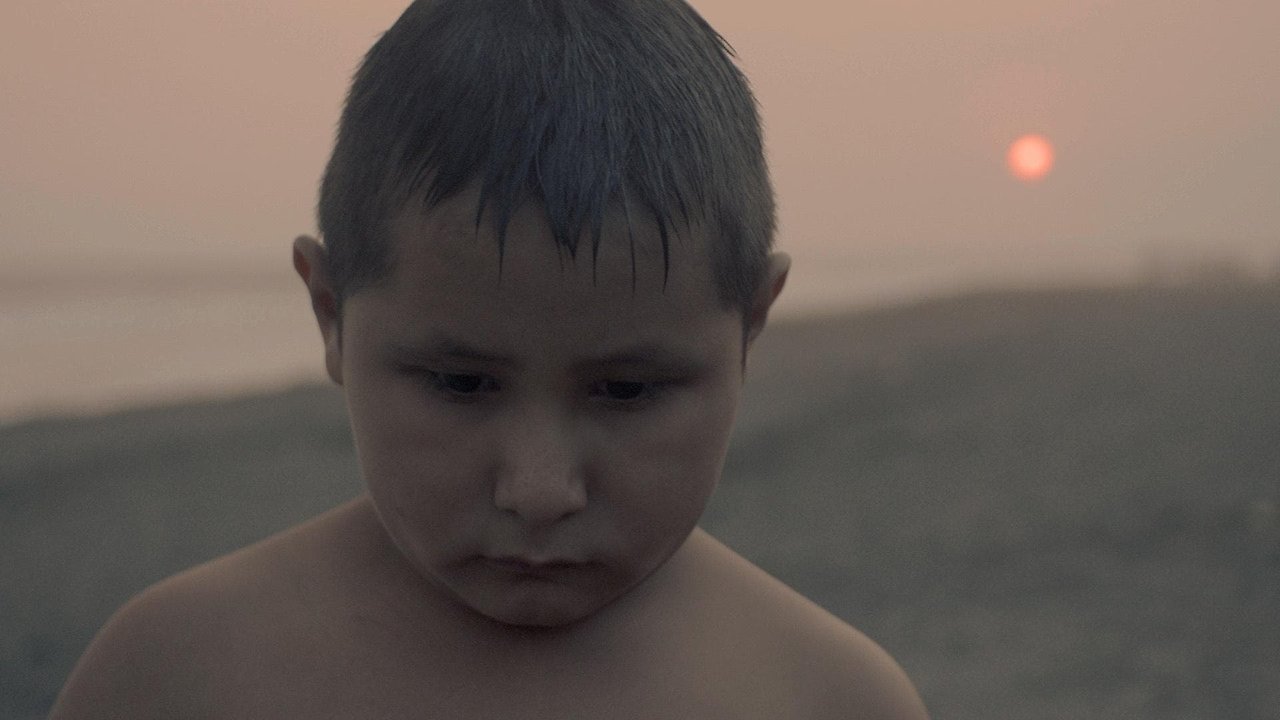
Independent Lens Season 3 Episode 2 Who Owns the Past?
- September 14, 2001
Who Owns the Past? is the second episode in the third season of the documentary series Independent Lens. In this episode, the focus is on the issue of cultural heritage, specifically the ownership of ancient artifacts and cultural objects that have been removed from their countries of origin and are now housed in museums and private collections around the world.
The episode begins by examining the controversial case of the Elgin Marbles, a collection of classical Greek sculptures that were taken from the Parthenon in Athens by the British diplomat Lord Elgin in the early 19th century and are now on display in the British Museum. The ownership of the sculptures has long been contested by the Greek government, who argue that they were illegally taken and should be returned to Greece.
From there, the episode delves into a broader discussion of the issue of cultural repatriation, looking at a range of different cases from around the world. We hear from Indigenous leaders in Canada who are fighting to reclaim their people's artifacts and traditional knowledge, which have been taken and commodified by non-Indigenous collectors and institutions. We visit a museum in Berlin that is grappling with the legacy of colonialism and the ongoing demand from Africa for the return of looted objects. And we hear from legal experts and museum curators who debate the ethical and legal implications of cultural repatriation.
Throughout the episode, we are presented with a range of perspectives and arguments on both sides of the cultural repatriation debate. On one hand, there are those who argue that cultural objects are part of a people's identity and heritage, and that taking them away is a form of cultural theft that perpetuates the legacies of colonialism and imperialism. On the other hand, some argue that the objects in question were acquired legally or are now part of the cultural heritage of the countries in which they are currently housed, and that removing them could do more harm than good.
Despite the complexity of the issue, the episode ultimately makes a compelling case for the importance of cultural repatriation. We see how the loss of cultural heritage can have profound and lasting effects on communities and cultures, and how the return of these objects can be a powerful act of reconciliation and healing. At the same time, the episode acknowledges the challenges and difficulties involved in this process, including questions of ownership, provenance, and the role of museums and other cultural institutions.
Overall, Who Owns the Past? is a thought-provoking and nuanced exploration of one of the most pressing issues facing the global cultural community today. Through its in-depth reporting and diverse range of perspectives, the episode encourages us to think critically about the way we engage with cultural heritage and the responsibilities we have as stewards of our shared global heritage.
