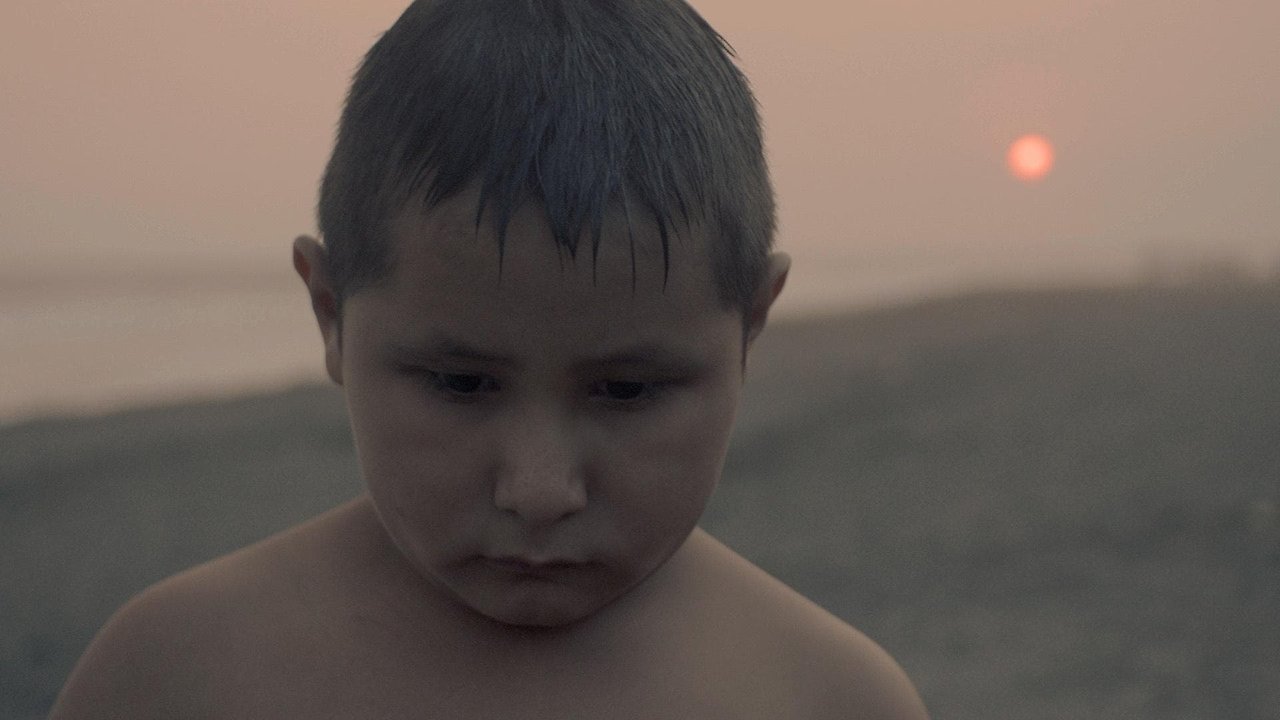
Independent Lens Season 7 Episode 16 The Loss Of Nameless Things
- February 28, 2008
The Loss of Nameless Things, the sixteenth episode of the seventh season of Independent Lens, is a poignant exploration of the devastating impact of the forced relocation of Native American tribes during the mid-twentieth century. The episode focuses on the experiences of the Tlingit people of Alaska, who were forced to abandon their traditional way of life and move to urban centers as part of the government's assimilationist policies.
The episode opens with archival footage and recollections from Tlingit elders recounting their childhood memories of living in traditional homes in rural areas, hunting and fishing for their sustenance. However, in the 1950s and 60s, the US government began a campaign to encourage Native American tribes to assimilate into mainstream American society. This policy of forced relocation, known as termination, involved the destruction of Native American cultures and the displacement of entire communities.
The Tlingit, who had been self-sufficient for thousands of years, suddenly found themselves living in dilapidated housing projects in urban centers such as Seattle, a far cry from their former way of life. The episode follows the experiences of several Tlingit families as they adapt to their new surroundings and try to hold on to their cultural identity in the face of assimilation.
One particularly powerful story is that of Frank H. Williams, a Tlingit man who was relocated from his home in Sitka, Alaska to Seattle at the age of 17. Williams, who would later become a respected Alaska Native leader and activist, recounts the trauma of leaving behind his homeland and traditional way of life.
Interspersed with these personal narratives are interviews with scholars and historians who provide context for the government's policy of termination and its impact on Native American communities. The episode also examines the role of the Tlingit themselves in fighting back against assimilation, including the formation of the Tlingit and Haida Central Council, a political organization that advocated for the rights of Alaska Native people.
Throughout the episode, the loss of traditional culture, language, and even the names of people and places is a recurring theme. The Tlingit are shown struggling to maintain their traditions in the face of intense pressure to conform to American society, and the impact of this loss is palpable.
Overall, The Loss of Nameless Things is a sobering reminder of the devastating impact of government policies on indigenous communities in the US. The personal stories of the Tlingit people provide a powerful counterpoint to the bureaucratic language of termination, and leave a lasting impression on viewers.