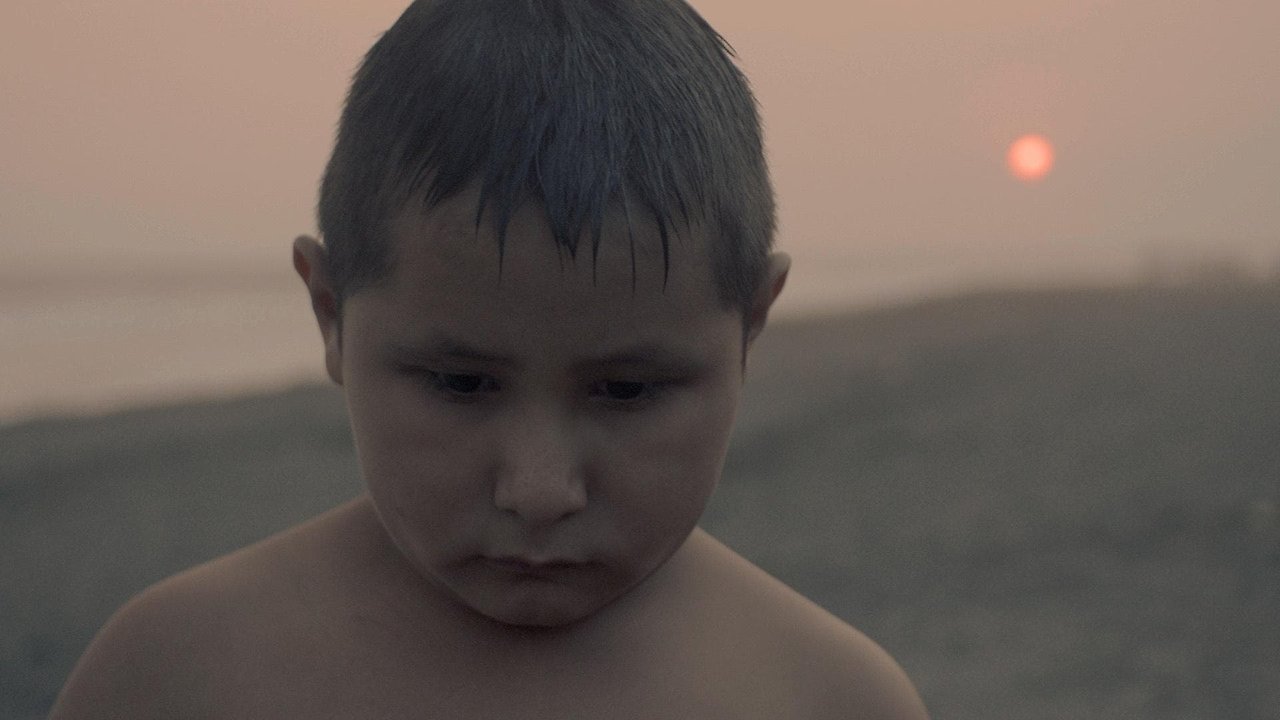
Independent Lens Season 9 Episode 6 The Creek Runs Red
- November 20, 2007
In the Independent Lens season 9 episode 6 titled "The Creek Runs Red," we are taken on a journey through the town of Picher, Oklahoma, which was once a thriving mining community until it became one of the most toxic areas in the United States.
The episode delves into the history of the town and its mining operations, which began in the early 1900s. The Quapaw tribe were forced off their land to make way for the mining companies who extracted lead and zinc from the earth. Throughout the years, the mining industry in Picher boomed, and with it came a population increase and economic prosperity. However, this success came at a cost.
The mining operations created mountains of toxic waste, which polluted the air, water, and soil in and around the town. The health of the residents rapidly began to deteriorate, and the children of Picher began to suffer from lifelong illnesses and developmental delays. Despite multiple studies and reports detailing the dangers of the toxic waste, the authorities turned a blind eye, and the mining companies continued to operate.
Eventually, the Environmental Protection Agency (EPA) stepped in and declared the town a Superfund site, a designation given to areas that are hazardous to human health and require environmental cleanup action. The residents were forced to leave their homes and move out of the town.
The episode features interviews with former residents of Picher, EPA officials, and environmental activists who fought tirelessly to bring attention to the tragedy unfolding in the town. We learn about the heartbreaking toll the pollution has taken on the community and the lasting damage that has been done to both the environment and the people of Picher.
One of the most compelling aspects of "The Creek Runs Red" is the exploration of the relationship between the mining companies and the town's residents. We hear from former miners who lament the loss of their jobs and the way of life they had known for decades. Meanwhile, residents who have seen the health consequences of the toxic waste firsthand express anger and frustration for what they see as the prioritization of profits over the well-being of human beings.
The episode also touches on the larger issue of environmental injustice, where communities of color and low-income neighborhoods are disproportionately affected by pollution and hazardous waste. The Quapaw tribe, who have a history of being displaced and mistreated by the US government, were once again subject to suffering because of the actions of others.
Overall, "The Creek Runs Red" is a poignant and powerful look at the devastating impact of industrial pollution on a small town. Through interviews with those impacted and archival footage, we are given an intimate and empathetic view into the lives of the people of Picher. The episode leaves us with a message of hope, that despite the damage that has been done, there are those who continue to fight for environmental justice and against the corporate interests that so often put profits above people.
