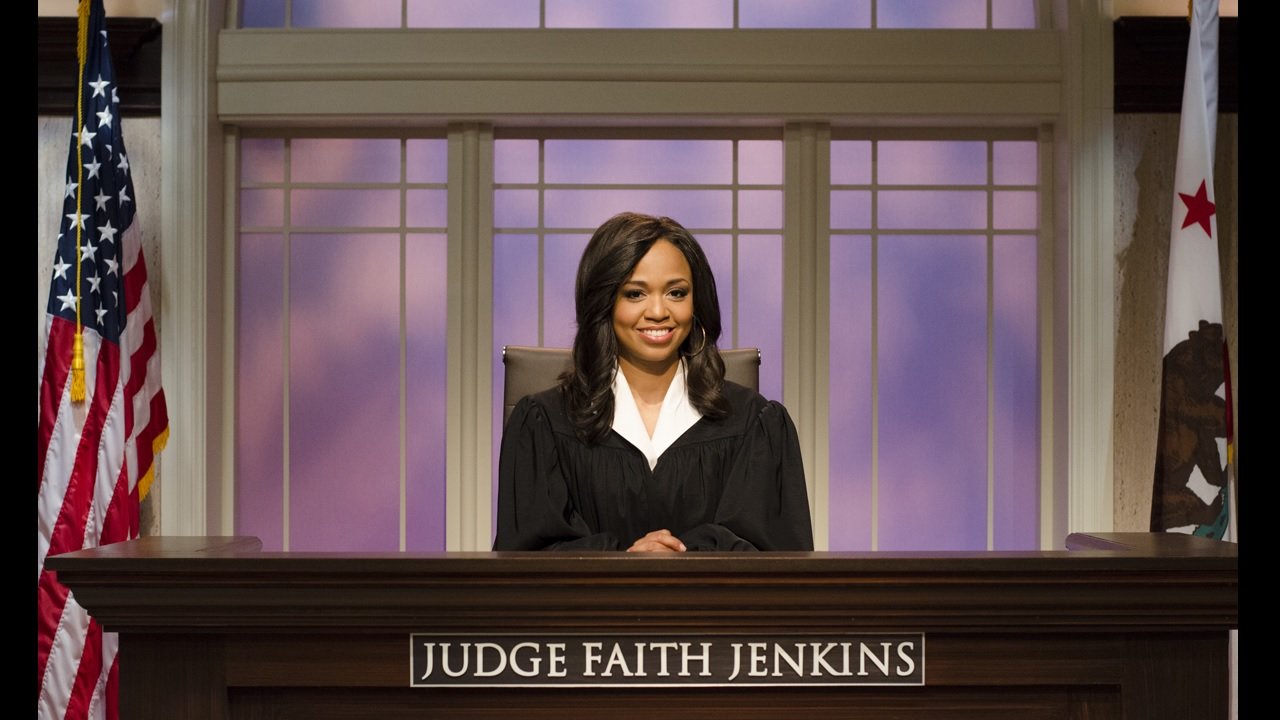
Judge Faith Season 2 Episode 71 My Right to Smoke | I'm Not My Brother's Keeper
- TV-PG
- February 1, 2016
- 19 min
In season 2 episode 71 of Judge Faith, the topics of smoking and familial responsibility take center stage in two separate cases.
In the first case, titled "My Right to Smoke", a landlord and tenant dispute over whether the tenant has the right to smoke in his apartment. The tenant argues that he signed a lease that specifically allowed smoking, while the landlord argues that the lease only allowed smoking in designated outdoor areas. The tenant is adamant that he has the right to smoke in his own apartment and that it is a personal choice that has no impact on anyone else. However, the landlord argues that the smoke is causing damage to the apartment and affecting the health of other tenants in the building. Judge Faith must determine whether the tenant's lease agreement permits smoking in the apartment and whether or not smoking in an apartment building infringes on the rights of others.
In the second case, titled "I'm Not My Brother's Keeper", two brothers are in a dispute over property damage caused by one of them. The plaintiff brother argues that the defendant brother allowed his friend to smoke in the plaintiff's car, causing damage to the interior and leaving a strong smoke odor. The defendant brother denies responsibility, arguing that he did not specifically give his friend permission to smoke in the car and that he was not present when the damage occurred. The plaintiff argues that his brother should take responsibility for his friend's actions and pay for the damages. Judge Faith must determine whether the defendant brother is liable for the damage caused by his friend and whether there is an obligation for siblings to take responsibility for each other's actions.
Throughout both cases, Judge Faith must consider legal precedent, contractual obligations, and societal expectations in order to make fair and just decisions. The cases raise larger questions about personal autonomy, social responsibility, and the complex relationships that exist between individuals and their communities. Ultimately, Judge Faith must balance the rights and responsibilities of all parties involved in order to arrive at a resolution that is both legally sound and morally just.
