Mad Men Season 5 Episode 13 The Phantom
- TV14
- June 10, 2012
- 47 min
-
8.6 (2,672)
In the season 5 finale of Mad Men, titled The Phantom, the characters find themselves at the crossroads, navigating the shifting dynamics of their personal and professional lives against the backdrop of the vibrant yet tumultuous 1960s. As the season comes to a close, the philosophical undertones layer the visual aesthetic, providing depth to the narrative as Mad Men explores themes of identity, ambition, and change.
The episode opens with introspection, as each character grapples with their sense of self in relation to the world around them. Don Draper, portrayed with magnetic complexity by Jon Hamm, continues to evolve on his journey of self-discovery. Having achieved significant professional success, he faces the haunting specter of his past and the choices he has made. As we delve deeper into his psyche, viewers are treated to an exploration of what it means to truly know oneself and how past decisions resonate through the present.
The creative landscape of Sterling Cooper Draper Pryce is a reflection of the era's burgeoning shifts in culture and consumerism, pushing the boundaries of traditional advertising. The agency's team, including pivotal characters such as Peggy Olson and Pete Campbell, finds themselves entwined in the high pressures of the advertising world. Peggy, played with fierce determination by Elisabeth Moss, is poised at a critical juncture as her career blossoms, yet she remains deeply affected by her interactions and relationships within the office. The episode captures her evolving dynamics with her colleagues and offers insight into her ambitions and insecurities.
In parallel, Roger Sterling and Joan Holloway navigate their own complicated narratives. Roger’s carefree demeanor clashes with the gravity of the decisions he must confront, offering a humorous yet poignant commentary on the challenges of middle age and the longing for meaning. Meanwhile, Joan, portrayed by Christina Hendricks, grapples with societal expectations and personal aspirations, highlighting the unique struggles women face in a male-dominated industry. Their interplay provides a rich tapestry of interpersonal relationships that are both intricate and relatable.
As the episode unfolds, themes of loss and longing emerge prominently. Characters reflect on what it means to be successful in a world that often prioritizes image over authenticity. The specter of the past looms large, reminding them of former relationships and missed opportunities. The haunting motif of "the phantom" serves as an emotional anchor throughout the episode, encouraging characters and viewers alike to contemplate what haunts them and the ghosts they cannot escape.
The exploration of family takes center stage in The Phantom, as the impacts of personal relationships ripple through each character's journey. Betty Draper, Don's estranged wife, offers an avenue for reflection on motherhood, societal expectations, and personal discontent. Her storyline poignantly mirrors the shifting roles of women in society, showcasing her struggles with identity beyond being a housewife. The episode juxtaposes her choices against the backdrop of her past with Don, enabling a deeper understanding of her character's complexities.
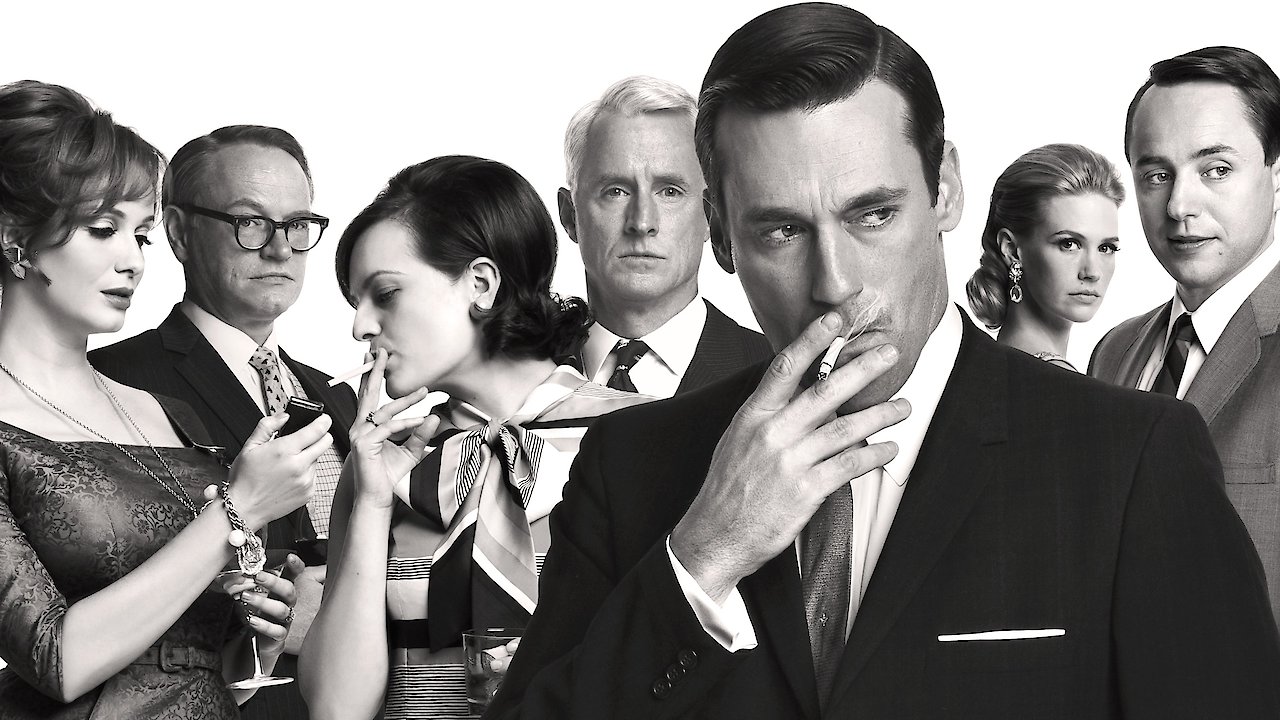
Visual storytelling remains a hallmark of Mad Men, and this episode is no exception. The cinematography captures the mood and tone with great skill, using color and composition to evoke the era's aesthetic and the characters' emotional states. The meticulous attention to period detail enhances the storytelling, immersing viewers in the distinctive vibe of the 1960s while further enriching the narrative layers.
As the season finale encapsulates various subplots and character arcs, there is a palpable sense of anticipation for what comes next. The resolutions reached and the questions left unanswered set the stage for future developments. Tensions build as characters confront their decisions, leading to moments of revelation that resonate long after the credits roll. The episode underlines the notion that while the past cannot be altered, the future remains uncertain and filled with possibilities.
The Phantom ultimately serves as a testament to the intricate character studies that Mad Men is known for. It emphasizes the themes of change, identity, and the often-unseen struggles behind social facades. As viewers watch these iconic characters confront their phantoms, they are reminded of the universal quest for understanding and acceptance in a world constantly in flux. By intertwining personal and professional narratives, the episode artfully captures the essence of Mad Men's storytelling prowess, leaving audiences eager for what lies ahead in the ever-evolving landscape of 1960s America.