Moral Orel Season 3 Episode 3 Innocence
- TVMA
- October 16, 2008
- 11 min
-
8.2 (208)
In the third episode of the third season of Moral Orel, titled Innocence, the show continues to delve into the complexities of morality, faith, and the often ironic subtleties of childhood perceptions. Set in the fictional town of Moralton, where the seemingly idyllic facade of suburbia clashes with the underlying absurdities of human behavior, this episode focuses on Orel Puppington, a naive young boy whose earnest attempts to understand the world often lead to misguided conclusions.
At the heart of Innocence is Orel's quest to grasp the true essence of innocence itself. Guided by his unwavering belief in virtue, he embarks on a journey to uncover what it truly means to be innocent in a world that often seems riddled with contradictions and moral ambiguity. The episode explores how Orel’s childlike interpretation of ethics shapes his interactions with those around him, particularly with his family and peers.
As Orel seeks clarity in his pursuit of innocence, the narrative weaves in dark humor and sharp social commentary, emphasizing the disconnect between the characters' outward appearances and their inner struggles. Moral Orel's signature satire shines bright here, as it juxtaposes Orel's pristine worldview against the more corrupt and flawed realities of the adults in his life. Orel's father, Clay, and mother, Bloberta, embody the pervasive hypocrisy with their own complicated moral stances, revealing how even the most ostensibly virtuous figures can fall far from grace.
Throughout the episode, Orel's interactions with his friends, including the mischievous Doughy and the self-assured Christian, emphasize the differing perceptions of innocence among children. Their conversations serve as a reminder of how easily innocence can be shattered, yet they also showcase the moments of joy and whimsical ignorance that characterize childhood. Orel’s earnestness complicates his relationships, leading to both humorous and poignant outcomes that question the very fabric of moral understanding.
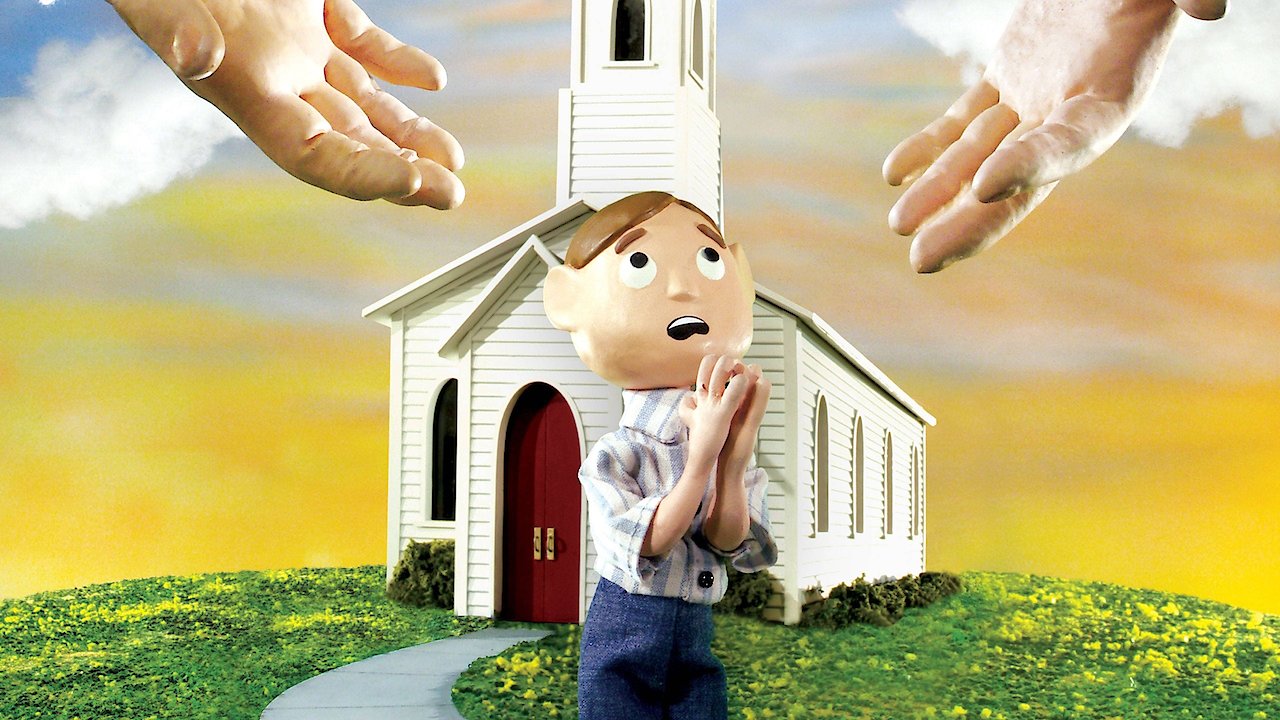
The visual storytelling in Innocence is particularly striking, as the animation style employs a stark contrast between the innocence of childhood and the darker undertones of the adult world. The background settings contribute to this theme, with bright, cartoonish colors often giving way to more muted tones that reflect the underlying tension in Orel’s quest. The stylistic choices serve to emphasize the moral dualities present in each scene, inviting the audience to reflect not only on Orel's journey but also on their own interpretations of right and wrong.
As the episode progresses, the philosophical implications of innocence become more pronounced, inviting viewers to think critically about the expectations placed on children and the realities of growing up. Innocence isn't just an abstract concept; it is a tangible part of Orel's life that he is desperate to hold onto, even as the complexities of the adult world threaten to intrude.
In addition to its humor and depth, this episode expertly balances lighthearted moments with a profound sense of melancholy. The innocence that Orel yearns to protect is juxtaposed with the understanding that such purity is often fleeting. As Orel navigates his journey, the episode challenges the audience to consider how societal norms shape our understanding of morality and innocence.
The supporting characters in Innocence add layers to the narrative, with their own struggles and failures reflecting back on Orel. The episode showcases how parenting styles, social expectations, and community values can warp a child's perception of their own innocence. While Orel seeks answers, the adults around him often provide conflicting messages, complicating his understanding of himself and the world beyond Moralton.
Ultimately, Innocence serves as a poignant exploration of a child's perspective on morality, innocence, and the often ironic nature of human behavior. It holds a mirror to the society that shapes these young minds, revealing that the journey toward understanding is filled with challenges, contradictions, and requisite moments of growth. The episode invites viewers to contemplate their own moral compasses while simultaneously offering humor infused with keen social critique, a hallmark of the series.
As the episode draws to a close, it leaves audiences pondering the nature of innocence in a world where the lines between right and wrong are blurred. Orel's journey, marked by innocence and the inevitable encroachment of reality, resonates on both a comedic and deeply philosophical level, making this episode a standout in the Moral Orel anthology that continues to challenge and provoke thought long after the credits roll.