Moral Orel Season 3 Episode 6 Dumb
- TVMA
- October 29, 2008
- 11 min
-
8.1 (160)
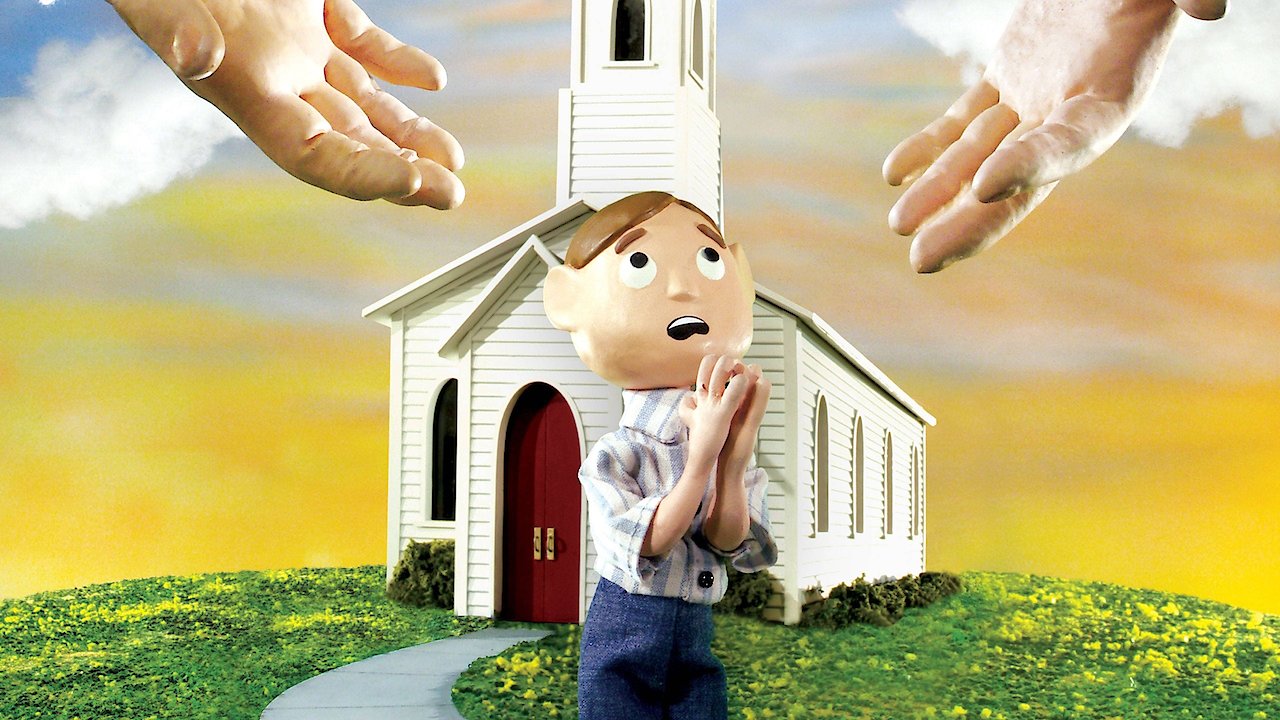
Moral Orel season 3 episode 6, titled Dumb, dives deep into the complexities of intelligence and societal expectations in the town of Moralton. As Orel twists and turns through the absurdities of family dynamics and moral lessons, this episode stands out for its poignant exploration of the consequences of labeling and the often arbitrary nature of what constitutes "smart" or "dumb."
The episode opens with a typical day in Moralton, where the townsfolk are engaged in their usual routines, but an undercurrent of tension brews in the air. Orel’s father, Clay, is portrayed more than ever as a figure struggling with his own insecurities, particularly around broad societal notions of masculinity and intelligence. He often flaunts his supposed wisdom in front of Orel, and this episode serves as a battleground for the conflicting messages about intelligence and worth.
Orel, ever the naive yet earnest child, is caught between his father's expectations and his innocent pursuit of understanding the world around him. The episode takes a turn when Orel inadvertently discovers a "letter" from his father that reveals deep-seated insecurities about Orel's intellect, leading to a crisis in faith both in himself and in his father's harsh views. The illustrations of how children can internalize their parent's opinions present a relatable yet troubling aspect of the narrative.
As Orel seeks validation, he becomes obsessed with proving himself to be "smart" in the eyes of his peers, ultimately leading him down a path of misguided intentions. This quest for validation triggers an intricate web of interactions with other characters in Moralton, including his friends, who also grapple with their perceptions of intelligence. The whimsical yet dark humor of the show underlines the absurdity of these interactions, portraying how easily individuals can jump to conclusions about one another based on superficial attributes.
The artistic choices in this episode amplify the emotional depth of the story. The animation style, which contrasts sharply with the weighty themes, underscores a mix of innocence and darkness. The color palette shifts to reflect disillusionment as Orel's world begins to crumble around him when faced with the realities of being labeled "dumb." The visual aesthetics poignantly convey the emotional turmoil of being a child in a world that harshly equates worth with intelligence.
As the episode progresses, the narrative delves deeper into the ramifications of "dumbness" within the context of Moralton's societal framework. Orel's relationships start to shift, and the consequences of his attempt to mold himself into someone else's definition of smart become increasingly evident. The exploration of friendship portrays a stark contrast between true connection and one borne out of competitive validation.
The buildup leads to an incredibly impactful scene where Orel confronts the harsh truths about intelligence and identity. The dialogue is laced with wit and poignancy, leaving viewers reflecting on the societal attributes of intelligence that often filter perceptions of self-worth. It acts as a mirror, reflecting how perceptions can be skewed, and how labeling can deeply affect one's self-esteem and relationships.
The episode doesn't shy away from the darker themes that the show often explores, touching on the ideas of neglect, disillusionment, and the loss of innocence when one becomes aware of societal metrics of success. It raises uncomfortable questions about what is truly valuable in the human experience and how much weight should be given to intelligence in the formation of identity.
Dumb wraps up with a thought-provoking twist, accentuating the overarching theme of Moral Orel: the struggle between moral absolutes and the messy reality of life in a flawed world. As the episode comes to a close, it leaves viewers with a lasting impression, prompting contemplation long after the credits roll. The fact that Orel, despite his struggles and mistakes, perseveres with his intrinsic goodness, offers a glimmer of hope amidst the cynicism that permeates the narrative.
While it operates under the surface-level humor that characterizes the show, Moral Orel's third season, particularly in this episode, humbly invites the audience to unpack the packaging of intelligence and morality. As the line between "dumb" and "smart" blurs, the exploration of self-identity and societal values becomes an engaging reflection on human connection, understanding, and acceptance. In the end, Dumb lives up to its name but flips the script on conventional definitions, making it a crucial episode in the ongoing existential discussions woven throughout the series.